

Whole grains may improve several heart risk factors at once

Light exposure at night may raise risk for heart disease

Children of centenarians may stay healthier and live longer too, study finds

A lumbar belt may help ease low back pain

Signs of pneumonia: Sometimes vague and unexpected

Using a vibration plate: What it can — and can't — do for your body

The surprising link between ovarian cancer and the fallopian tubes

People who walk more or walk faster live longer, study finds

Rosacea treatments: What works?

For sleep apnea, a dental device may be as effective as CPAP
Diet and nutrition Archive
Articles

Boost your cognitive fitness in the new year
The new year is a good time to focus on cognitive fitness. Exercise, healthy eating, mental challenges, good sleep, controlling stress, and social engagement support neuroplasticity and help keep thinking and memory sharp.

Yes, you can overcome malaise!
Malaise is a feeling of weakness, fatigue, or being generally unwell. Addressing underlying causes and making healthy lifestyle changes - such as exercising regularly, eating a healthy diet, and getting enough sleep - can help people with malaise feel better.

Easy, healthy low-carb snacks for any time of day
Experts define a low-carb snack as one with 5 grams of carbohydrates or less per serving. The Academy of Nutrition and Dietetics recommends snacks that are fresh, balanced, and packed with nutrients like protein and fiber.
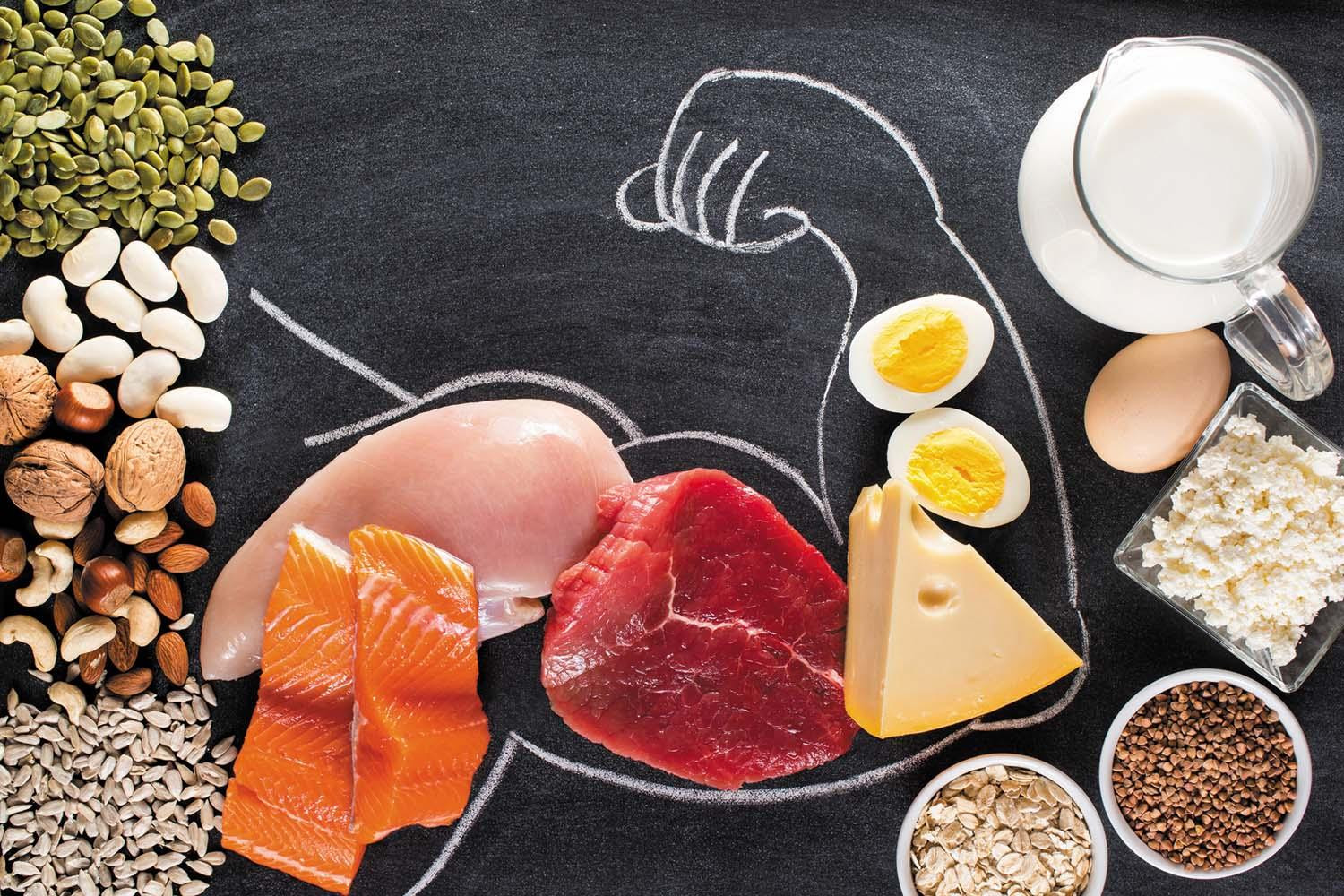
Maximize your muscle defense: Protein is key to protection
Muscle loss is common after middle age. To counter muscle loss, it's essential to strength train regularly and consume lots of protein. Whole foods are the best sources of protein, but protein supplements might also be used.

How "inflammaging" shapes our health
Inflammaging is chronic, low-grade inflammation throughout the body that occurs with aging. It is believed to accelerate aging and contribute to more than half of all deaths worldwide by driving various age-related diseases such as arthritis, autoimmune conditions, heart disease, cancer, diabetes, and Alzheimer's disease. People can combat inflammaging through healthy lifestyle measures such as exercising, eating healthfully, controlling weight, managing stress, prioritizing sleep, and limiting alcohol and smoking.
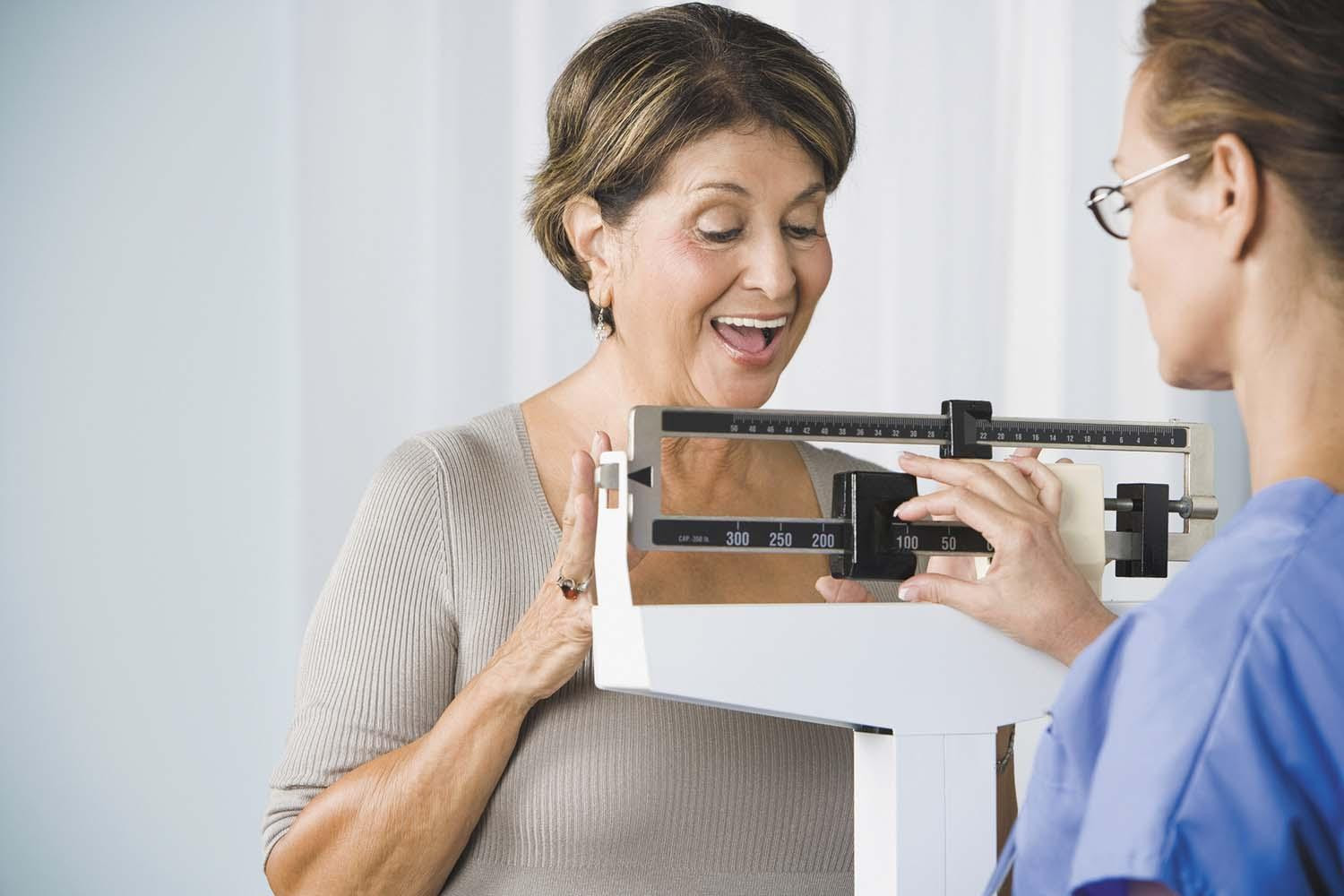
For weight loss, minimally processed diets beat ultra-processed versions
A 2025 study suggested that people can lose more weight by eating minimally processed foods rather than ultra-processed versions, even those typically considered healthy.
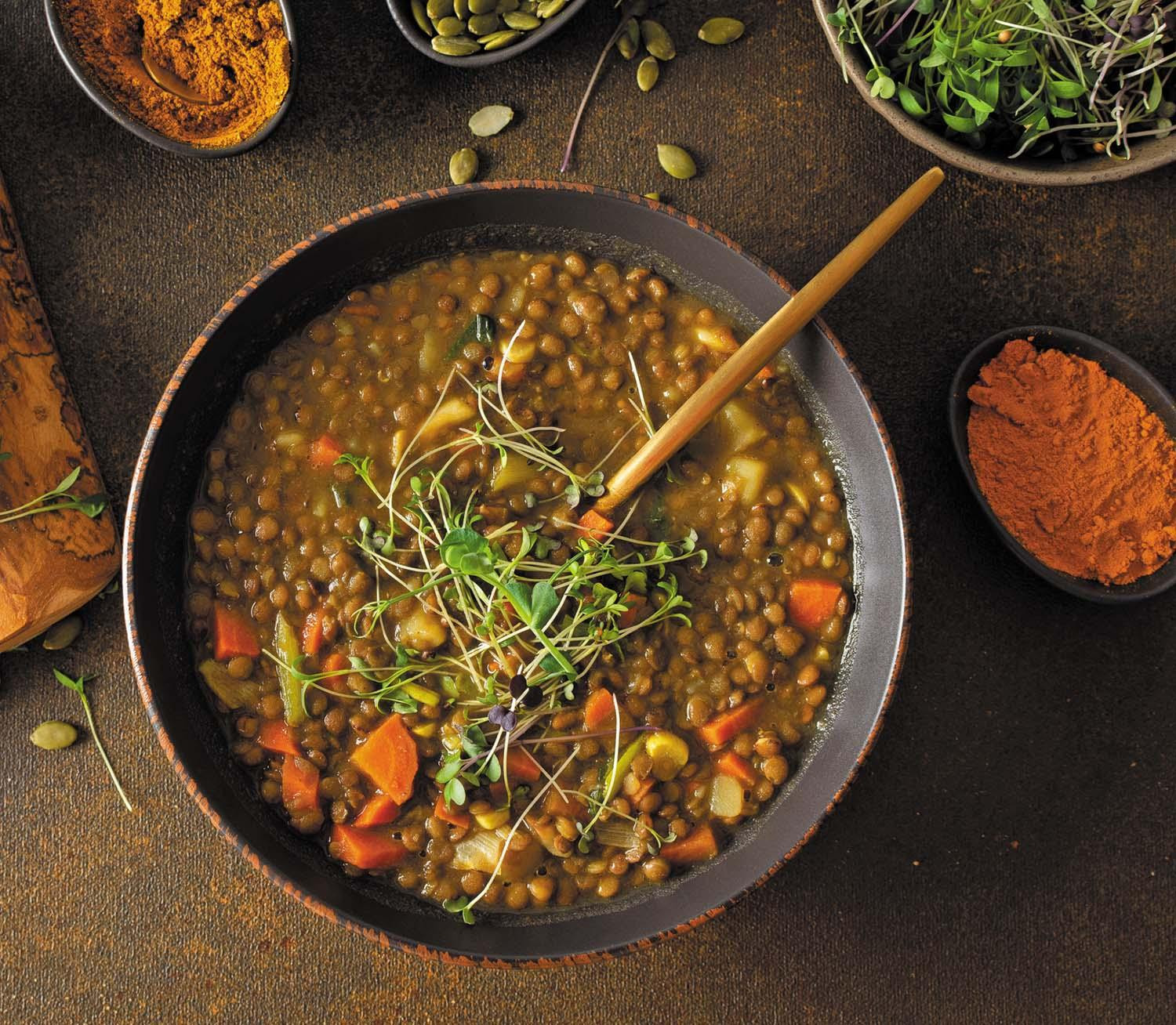
An Indian adaptation of the Mediterranean diet
An Indian-adapted Mediterranean diet includes vegetarian-focused meals flavored with an array of vibrant spices. The fiber-rich meals contain anti-inflammatory compounds that may provide heart-related health benefits. Healthy protein sources include legumes, featured in dishes such as chana masala (chickpeas in a tomato-based sauce) and dal (a soupy stew made from dried split lentils or peas). Tomatoes, eggplant, and peppers appear often in both the Mediterranean diet and the Indian-adapted version, as do leafy greens such as spinach.

Mind your heart for a longer, healthier life
Simple, proven strategies to live a longer, healthier life can help people become super-agers, defined as people who reach the age of 70 without any major diseases such as heart disease, cancer, or dementia. These habits include doing strength training to preserve muscle mass, eating a mostly vegetarian diet that provides many healthful nutrients, and prioritizing healthy sleep habits.

Extra-virgin olive oil may be healthier than regular olive oil
A 2025 study found that a high intake of extra-virgin olive oil (EVOO) was linked to a lower risk of heart-related problems, while intake of common olive oil was not. Higher levels of beneficial polyphenols in EVOO may explain the difference.
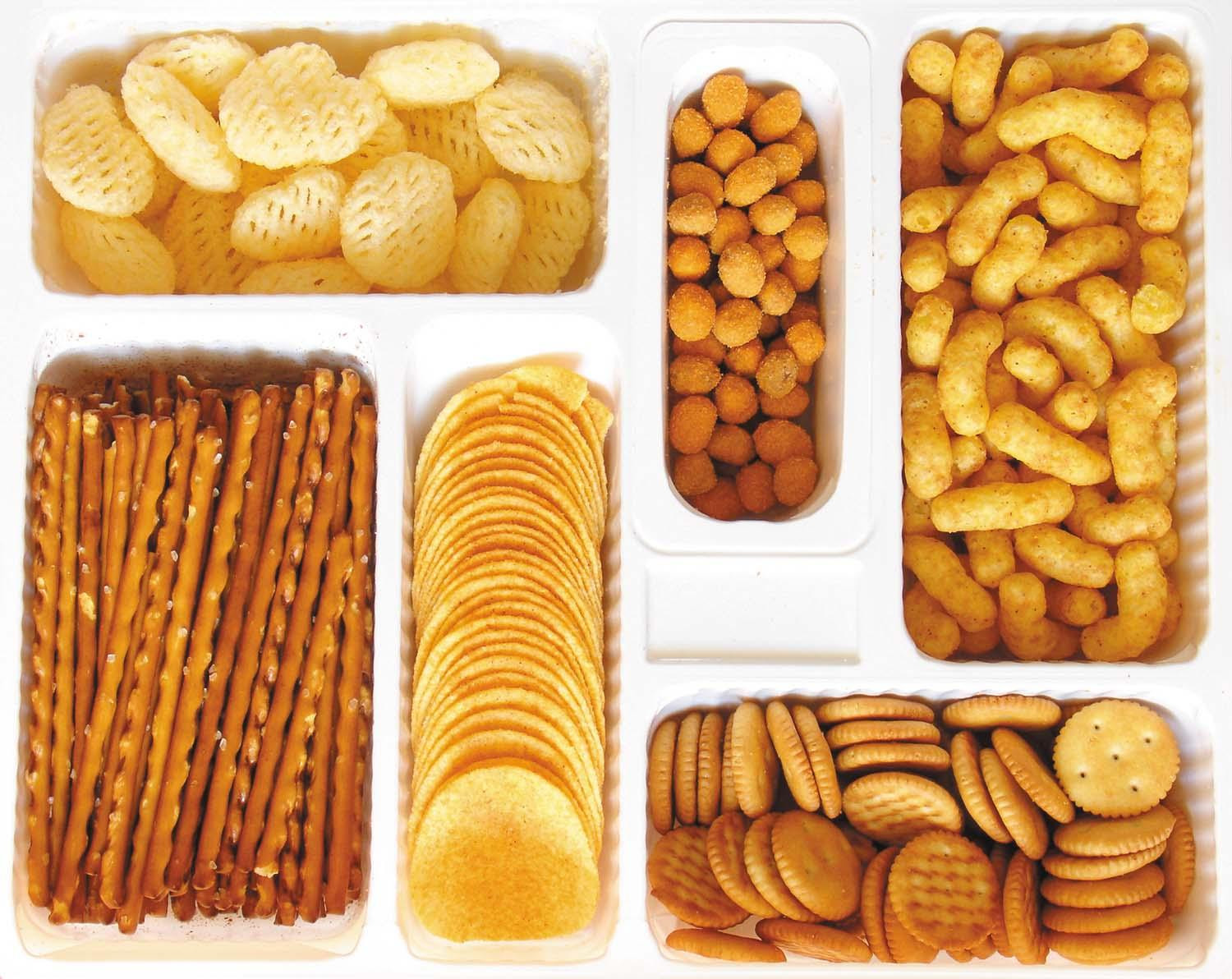
How ultra-processed foods are made linked to weight gain
A 2025 study suggests that the nature of ultra-processed foods, not the consumption of extra calories from these foods, is what contributes to their association with excess weight gain and a greater risk for obesity.
Whole grains may improve several heart risk factors at once
Light exposure at night may raise risk for heart disease
Children of centenarians may stay healthier and live longer too, study finds
A lumbar belt may help ease low back pain
Signs of pneumonia: Sometimes vague and unexpected
Using a vibration plate: What it can — and can't — do for your body
The surprising link between ovarian cancer and the fallopian tubes
People who walk more or walk faster live longer, study finds
Rosacea treatments: What works?
For sleep apnea, a dental device may be as effective as CPAP
Free Healthbeat Signup
Get the latest in health news delivered to your inbox!
Sign Up
