

Whole grains may improve several heart risk factors at once

Light exposure at night may raise risk for heart disease

Children of centenarians may stay healthier and live longer too, study finds

A lumbar belt may help ease low back pain

Signs of pneumonia: Sometimes vague and unexpected

Using a vibration plate: What it can — and can't — do for your body

The surprising link between ovarian cancer and the fallopian tubes

People who walk more or walk faster live longer, study finds

Rosacea treatments: What works?

For sleep apnea, a dental device may be as effective as CPAP
Diet and nutrition Archive
Articles

Understanding food noise — and how to turn down the volume
Food noise - persistent, distressing thoughts about food - can interfere with your daily life, but there's a lot you can do to manage it. Strategies include eating regular balanced meals, practicing mindful eating, managing stress and sleep, and seeking professional help if needed.
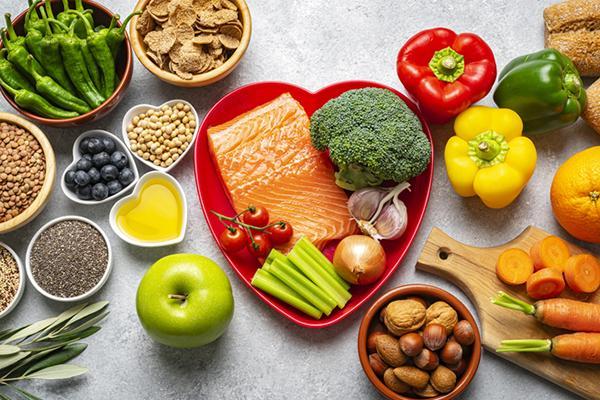
4 keys to a heart-healthy diet
The foundation of a heart-healthy diet should be minimally processed plant-based foods, which are good sources of fiber, protein, and phytonutrients. People should also limit saturated fat and make sure they consume omega-3 fatty acids.

Foods that fight inflammation
Pro-inflammatory foods include fried foods, sodas, refined carbohydrates, and red meat. Green vegetables, berries, whole grains, and fatty fish are thought to combat the inflammatory process.

Does everyone benefit from cutting saturated fat in their diet?
A review of 17 studies found that for people at high risk of heart disease, cutting down on saturated fats may have lowered their risk of major cardiac events over the next five years, but people at lower risk did not see similar benefits.
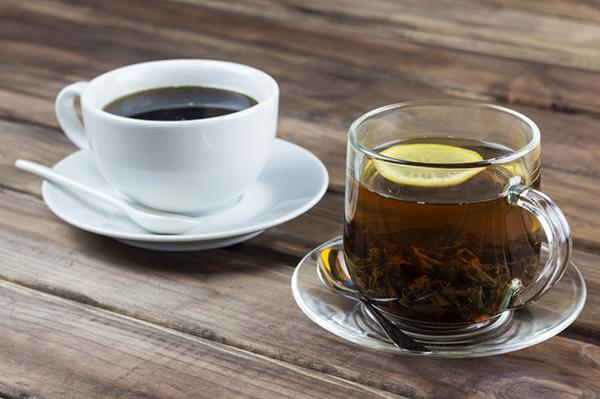
Harvard study: A couple of daily cups of coffee or tea linked to lower dementia risk
A 2026 study found that drinking two to three daily cups of caffeinated coffee, or one to two daily cups of caffeinated tea, was linked to better cognitive health and lower risks of dementia.
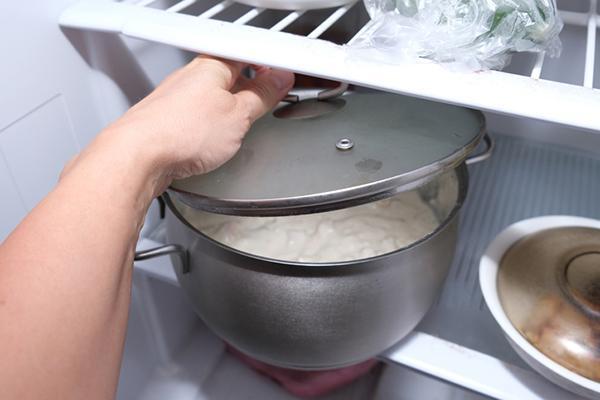
Resistant starch: Can you make the carbs you eat a little healthier?
Resistant starch causes smaller blood sugar spikes than regular starches, and feeds beneficial gut bacteria. You can increase the resistant starch content of starchy foods by cooking and chilling them, though overall diet quality matters more to blood sugar control than this trick alone.

Beyond protein: 6 other nutrients that help prevent muscle loss
While protein is essential to help prevent muscle loss as you age, other nutrients matter, too. Carbohydrates, magnesium, iron, omega-3 fats, and vitamin D work together to support muscle function and prevent muscle breakdown. Getting enough water is also essential for muscle performance and function.

Are certain fruits healthier than others?
Most people have heard the nutritional recommendation to eat five servings of fruit per day. But are some fruits better for you than others? Is it okay to eat dried or frozen fruit, or to drink fruit juice? Does it have to be organic?

Vitamin B12 deficiency can be sneaky and harmful
Like most vitamins, B12 can't be made by the body and must be gotten from food or supplements. A B12 deficiency -- which might stem from a vegan or vegetarian diet, or problems with absorption due to weight loss surgery or aging -- can seriously harm nerves, mood, thinking, energy, and more.
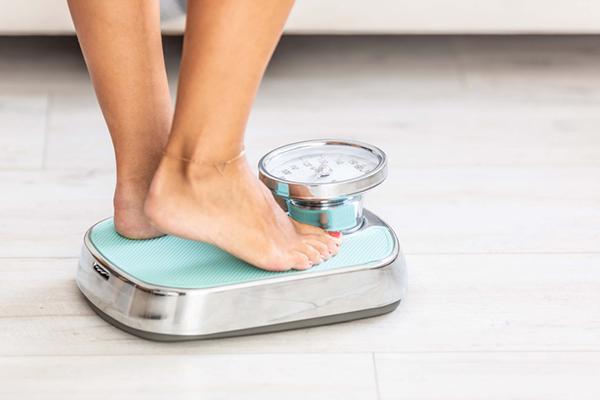
People who stop weight-loss drugs may gain back weight and lose heart benefits
A 2026 study suggested that people who stop taking weight-loss medications rapidly regain weight and lose heart health benefits associated with the drugs.
Whole grains may improve several heart risk factors at once
Light exposure at night may raise risk for heart disease
Children of centenarians may stay healthier and live longer too, study finds
A lumbar belt may help ease low back pain
Signs of pneumonia: Sometimes vague and unexpected
Using a vibration plate: What it can — and can't — do for your body
The surprising link between ovarian cancer and the fallopian tubes
People who walk more or walk faster live longer, study finds
Rosacea treatments: What works?
For sleep apnea, a dental device may be as effective as CPAP
Free Healthbeat Signup
Get the latest in health news delivered to your inbox!
Sign Up
