

Whole grains may improve several heart risk factors at once

Light exposure at night may raise risk for heart disease

Children of centenarians may stay healthier and live longer too, study finds

A lumbar belt may help ease low back pain

Signs of pneumonia: Sometimes vague and unexpected

Using a vibration plate: What it can — and can't — do for your body

The surprising link between ovarian cancer and the fallopian tubes

People who walk more or walk faster live longer, study finds

Rosacea treatments: What works?

For sleep apnea, a dental device may be as effective as CPAP
Diet and nutrition Archive
Articles
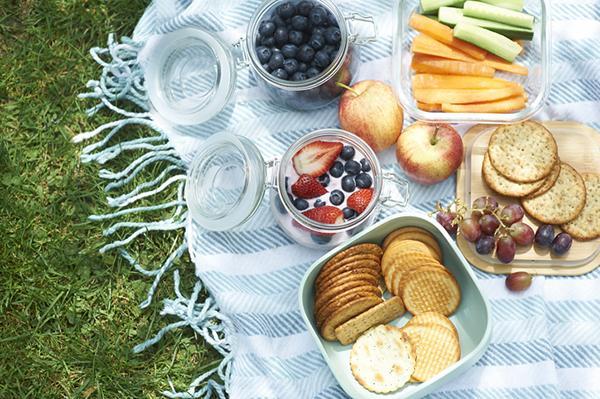
Is it healthier to graze throughout the day or eat three meals?
Meal timing matters less than calorie balance and food quality. For some conditions, though, smaller, more frequent portions may offer advantages.
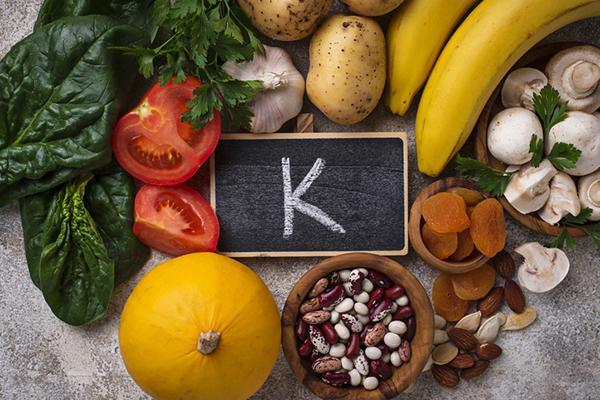
Why does someone with kidney disease need to be careful about high-potassium foods?
When damaged kidneys can&rsquot clear extra potassium, everyday staples like potatoes, beans, and juice may strain the heart. Learn which foods are risky.
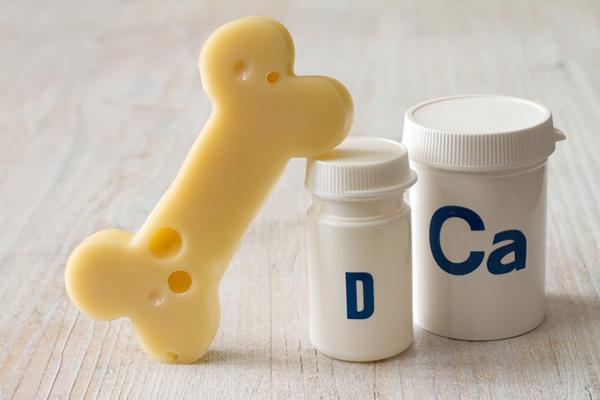
How do vitamin D and calcium work together to keep bones strong?
Calcium gets most of the credit for healthy bones, but another nutrient quietly controls how much you actually absorb. See why balance matters.

Is an active job enough exercise to help you lose weight?
Discover how much job-related activity contributes to calorie burn, and how small changes in routine can jump-start weight loss.

What is a healthy weight for a young man?
Charts offer BMI ranges and waist targets, but they aren't the whole story. Learn how height, belly fat, diet, and activity shape "healthy" weight.
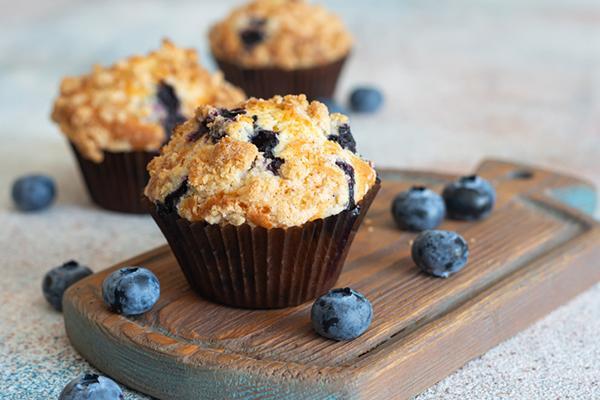
How can I turn my favorite muffins into a healthier treat?
Portion size, flour swaps, healthy oils, spices, fruits, and nuts can all transform a typical muffin into a healthier treat. Explore simple tweaks that boost nutrition.
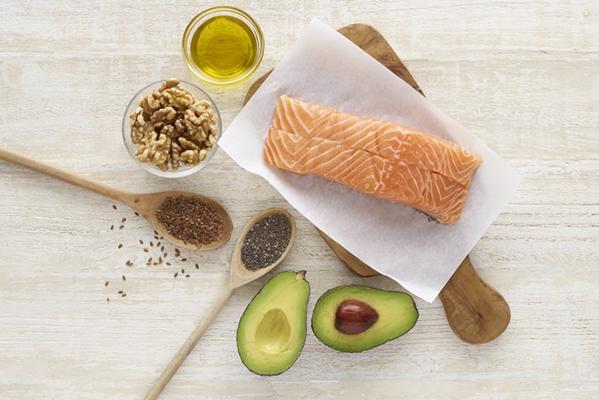
How many grams of fat can I eat each day as part of a healthy diet?
Daily fat needs depend on your calorie goals and activity level. Learn how to budget fat intake and choose healthier fats over harmful ones.
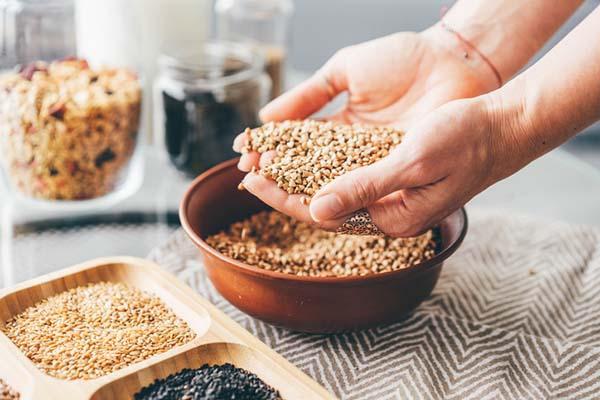
Are whole grains that important?
Learn how whole grains support a healthy diet and what you should look for when selecting them.
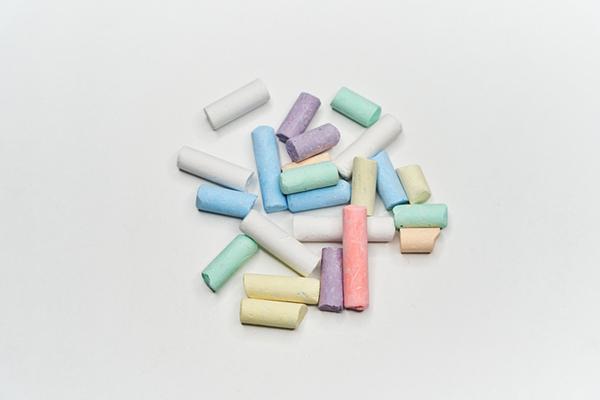
What would explain a craving to eat chalk?
Persistent cravings for nonfood items like chalk can hint at an underlying nutritional problem that needs testing.
Understanding empty calories
Empty calories are calories from foods that give the body energy but almost no helpful nutrients. Sugary drinks and pastries are common examples. They can quickly add lots of calories to someone's diet and make weight gain more likely.
Whole grains may improve several heart risk factors at once
Light exposure at night may raise risk for heart disease
Children of centenarians may stay healthier and live longer too, study finds
A lumbar belt may help ease low back pain
Signs of pneumonia: Sometimes vague and unexpected
Using a vibration plate: What it can — and can't — do for your body
The surprising link between ovarian cancer and the fallopian tubes
People who walk more or walk faster live longer, study finds
Rosacea treatments: What works?
For sleep apnea, a dental device may be as effective as CPAP
Free Healthbeat Signup
Get the latest in health news delivered to your inbox!
Sign Up
