

Whole grains may improve several heart risk factors at once

Light exposure at night may raise risk for heart disease

Children of centenarians may stay healthier and live longer too, study finds

A lumbar belt may help ease low back pain

Signs of pneumonia: Sometimes vague and unexpected

Using a vibration plate: What it can — and can't — do for your body

The surprising link between ovarian cancer and the fallopian tubes

People who walk more or walk faster live longer, study finds

Rosacea treatments: What works?

For sleep apnea, a dental device may be as effective as CPAP
Diet and nutrition Archive
Articles

Quick-start guide to an anti-inflammation diet
There are a number of steps to take when starting an anti-inflammation diet, such as the Mediterranean diet. The steps boil down to some dos and don’ts. For example, don’t eat processed foods such as microwaveable dinners, hot dogs, white bread, dehydrated soups, baked goods, sugary cereals, processed meats, biscuits, and sauces. But do eat a diet of whole, unprocessed foods such as fruits, vegetables, whole grains, legumes (beans, lentils), fish, poultry, nuts, seeds, a little bit of low-fat dairy, olive oil, spices, and herbs.

Time to try intermittent fasting?
Intermittent fasting-a diet that focuses on when rather than what a person eats-may be a good way to lose weight and improve cardiovascular health. One version, time-restricted feeding, involves eating only during a certain time window (usually eight hours) over a single day; another approach limits a person to just 400 to 600 calories daily for several days over the course of a week. The diet may reduce risk factors linked to heart disease, including type 2 diabetes, high blood pressure, unhealthy blood lipid levels, and inflammation.

Can diet changes help manage gallstones to avoid gallbladder surgery?
Gallstones can trigger painful attacks and concern about surgery. See how calorie control and low fat eating might ease symptoms and delay the need for surgery.
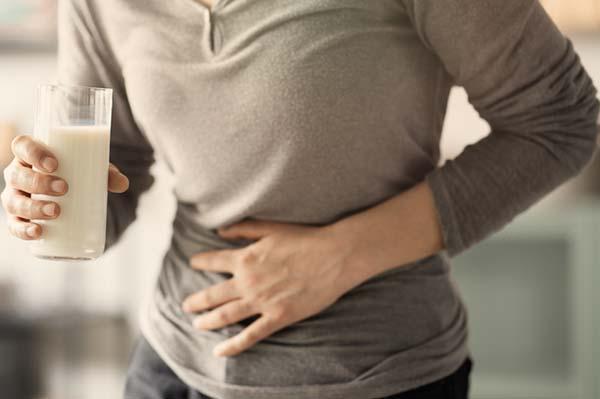
Could bowel troubles after dairy mean irritable bowel syndrome?
Dairy-related diarrhea, constipation, and ongoing gut discomfort may point to irritable bowel syndrome (IBS), lactose intolerance, or another condition.

3 simple swaps for better heart health
A busy schedule can make it challenging to adhere to heart-healthy habits, but there are steps you can take that don't require much time and can fit easily into almost anyone's life.

Virtual cardiac rehab: Heal your heart from home
Virtual cardiac rehabilitation offers heart-related education and supervised exercise classes that people can access at home using a computer, tablet, or smartphone. This growing trend may help make cardiac rehab more convenient and accessible.

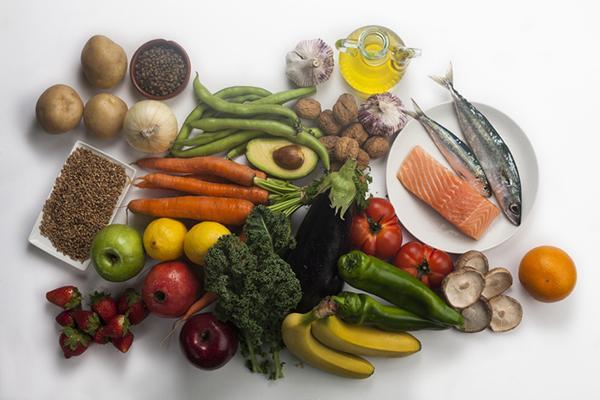
Harvard study: Six healthy diets linked with better long-term brain health
A Harvard study of over 159,000 people found that following any of six healthy diets-especially the DASH diet-was linked to significantly better cognitive function in later life, with the strongest benefits seen in those who were following a healthy diet in middle age.
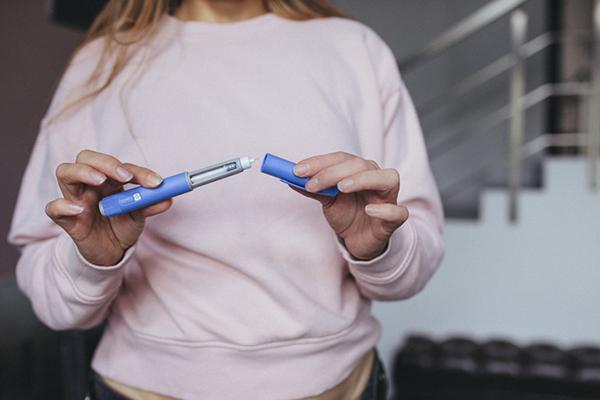
Study: Taking GLP-1 drugs may increase risk of key nutrient deficiencies
A 2026 review of six studies found that people with diabetes or obesity taking GLP-1 medications were prone to developing a number of nutrient deficiencies, particularly in vitamin D, iron, and B vitamins.

What is the "gout diet"?
A plant-forward, varied diet can help people manage gout. Other helpful steps are to lose weight if needed, stay hydrated, avoid overeating and excessive alcohol, and take medications as prescribed. Small, sustainable changes can mean fewer flares and better quality of life.
Whole grains may improve several heart risk factors at once
Light exposure at night may raise risk for heart disease
Children of centenarians may stay healthier and live longer too, study finds
A lumbar belt may help ease low back pain
Signs of pneumonia: Sometimes vague and unexpected
Using a vibration plate: What it can — and can't — do for your body
The surprising link between ovarian cancer and the fallopian tubes
People who walk more or walk faster live longer, study finds
Rosacea treatments: What works?
For sleep apnea, a dental device may be as effective as CPAP
Free Healthbeat Signup
Get the latest in health news delivered to your inbox!
Sign Up
