

Whole grains may improve several heart risk factors at once

Light exposure at night may raise risk for heart disease

Children of centenarians may stay healthier and live longer too, study finds

A lumbar belt may help ease low back pain

Signs of pneumonia: Sometimes vague and unexpected

Using a vibration plate: What it can — and can't — do for your body

The surprising link between ovarian cancer and the fallopian tubes

People who walk more or walk faster live longer, study finds

Rosacea treatments: What works?

For sleep apnea, a dental device may be as effective as CPAP
Diet and nutrition Archive
Articles

Strategies for scaling back on salt
About 70% of the sodium in the American diet comes from processed, packaged, and restaurant foods. Checking labels and making smart swaps when shopping and dining out can help people consume less sodium and, perhaps, prevent cardiovascular disease and related deaths.

Continuous glucose monitors: New guidelines recommend expanding CGM use for people with diabetes
The latest diabetes guidelines now recommend continuous glucose monitors for many people with type 2 diabetes. The real-time data from these devices may help reduce heart-related risks in people with diabetes by helping to reduce blood sugar, cholesterol, blood pressure and body weight.
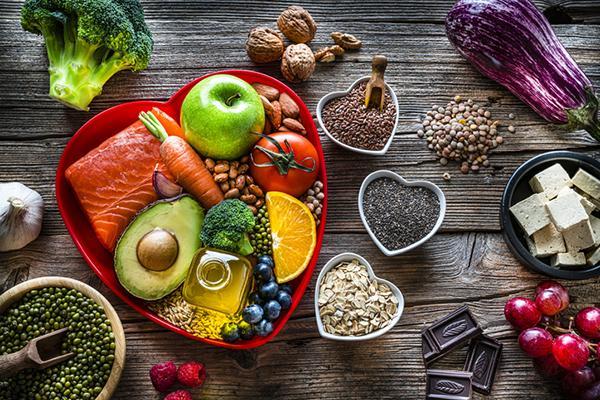
New guidelines detail what you should eat for a healthy heart
A 2026 scientific statement from the American Heart Association details nine key features of a heart-healthy diet that can help people protect their cardiovascular health.
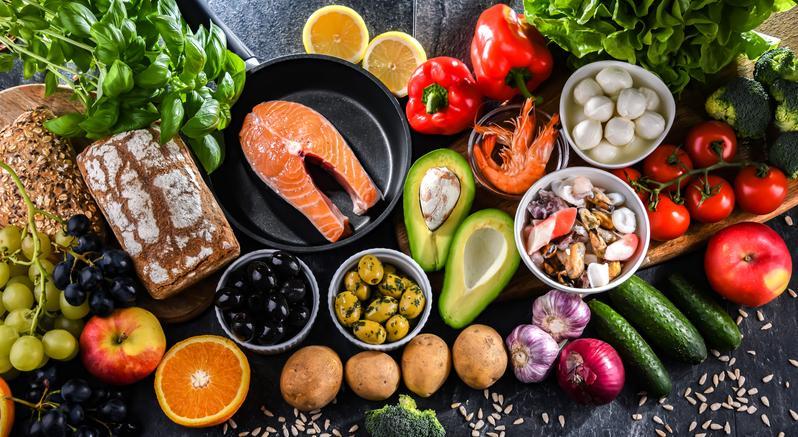
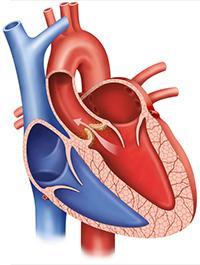
Heart-healthy habits over time linked to a lower risk of aortic stenosis
People who maintain or improve their heart-related risks over time are less likely to develop calcification of the aortic valve, which may lead to aortic stenosis.

Small upgrades to sleep, diet, and exercise may cut heart risk
Sleeping 11 additional minutes, doing an extra five minutes of moderate-to-vigorous physical activity, and eating just a quarter-cup more of vegetables each day was linked to a 10% reduction in heart attacks, strokes, and other serious heart problems, according to a 2026 study.
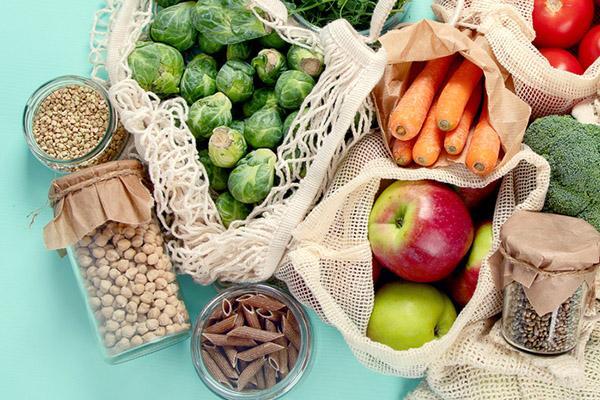
For a healthy diet, focus on food quality
Research suggests that when it comes to your overall health, opting for higher-quality, minimally processed foods over lower-quality, nutrient-poor foods is key—and perhaps even more important than the amounts or proportions of foods you eat. Small, consistent food swaps can make a big difference.

A practical guide to the Mediterranean diet
Making small, gradual changes to your eating habits and patterns is an easy way to incorporate the Mediterranean diet approach into your life.

4 essential nutrients — are you getting enough?
The latest update to the Dietary Guidelines for Americans states that many people are not getting enough of four essential nutrients: calcium, potassium, dietary fiber, and vitamin D. But how much of these nutrients should you aim for and what are some good sources for them?

Why eat lower on the seafood chain?
Cutting back on red meat and replacing it with poultry or seafood is a good choice because those are healthier sources of protein - and better for the environment. Choosing seafood that is lower on the food chain can amplify those benefits.
Whole grains may improve several heart risk factors at once
Light exposure at night may raise risk for heart disease
Children of centenarians may stay healthier and live longer too, study finds
A lumbar belt may help ease low back pain
Signs of pneumonia: Sometimes vague and unexpected
Using a vibration plate: What it can — and can't — do for your body
The surprising link between ovarian cancer and the fallopian tubes
People who walk more or walk faster live longer, study finds
Rosacea treatments: What works?
For sleep apnea, a dental device may be as effective as CPAP
Free Healthbeat Signup
Get the latest in health news delivered to your inbox!
Sign Up
