For a healthy diet, focus on food quality
For some, what you eat may be even more important than how much.
- Reviewed by Teresa Fung, ScD, RD, Contributor; Editorial Advisory Board Member, Harvard Health Publishing
Oatmeal or yogurt for breakfast? Tuna or chicken on your salad? Every day you make lots of food decisions. Now, a growing body of research is showing that how often you opt for the highest-quality food choices can have a powerful influence on your health.
“We have to look beyond just carbohydrates, fats, and proteins,” says Teresa Fung, a registered dietitian and adjunct professor at the Harvard T.H. Chan School of Public Health. “Where we get those nutrients from is also very important.”
One of the strongest recent demonstrations of food quality’s importance comes from a Harvard study that tracked nearly 200,000 adults over 30 or more years and compared healthy versus unhealthy versions of both low-carbohydrate and low-fat diets.
The results were striking. Versions of these diets that emphasized the highest-quality, healthiest foods — plant-based and lean proteins, whole grains, and unsaturated fats — were linked to an approximately 15% lower risk of heart disease.
By contrast, versions of the same diets built around lower-quality choices, like refined carbohydrates, highly processed foods, and animal-based proteins and fats, were linked to a higher risk of heart disease. The researchers’ conclusions help move us closer to answering the eternal “is low-fat better than low-carb?” question: it is the quality of the foods that make up a diet — not the ratio of carbs to fat — that most drives cardiovascular outcomes.
What food quality means
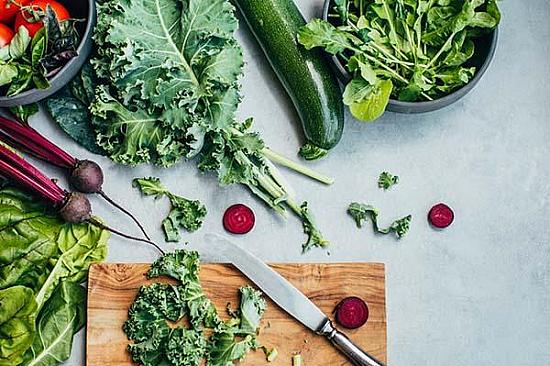
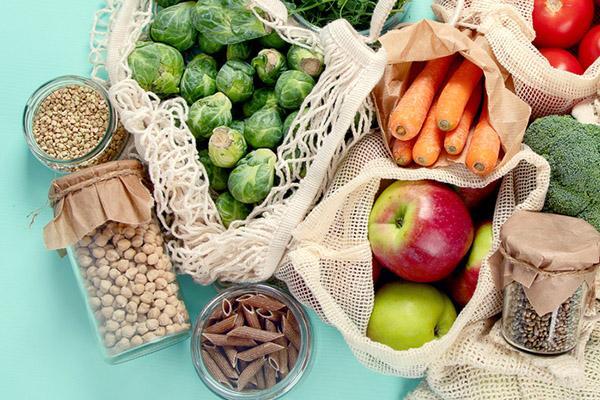
Generally, the term high-quality refers to foods that are both minimally processed and rich in nutrients: vegetables, fruits, whole grains, nuts, and healthy proteins like fish, legumes, and poultry.
Conversely, low-quality foods are usually heavily processed and nutrient-poor: think sugar-sweetened beverages, refined grains, low-fiber starchy foods, fried foods, sugary treats and drinks, and foods high in saturated fat.
Could eating better result in eating less?
Food quality choices may play a role in body weight by influencing how much we eat in the first place. High-quality, fiber-rich whole foods are digested more slowly, promote satiety, and help stabilize blood sugar, naturally reducing the drive to overeat.
What’s more, adds Fung, by making higher-quality choices, you’re pushing out the lower-quality ones. “Fruits, vegetables, and plant proteins like beans and lentils are quite filling,” she says. “It’s just harder to eat an excessive amount.”
More Harvard research bears this out. In a now-classic 2011 study, which looked at the diet and weight patterns of over 120,000 healthy adults, researchers found that weight gain was most strongly linked to the intake of lower-quality foods like chips, sugar-sweetened beverages, and both processed and unprocessed red meats. But increased consumption of vegetables, whole grains, fruits, nuts, and yogurt was linked with less weight gain over time.
Upgrading everyday eating
Improving food quality doesn’t require an overhaul; small, consistent substitutions can make a meaningful difference over time. Focusing on the quality of foods boils down to three simple principles, says Fung:
- Look for the least processed, simplest option (say, crackers with three ingredients rather than 20), and avoid ultraprocessed foods like fast food and bakery treats.
- Choose more plants, including plenty of vegetables and fruits, and opt for plant-based proteins and fats over animal-based ones more often (though you don’t have to be a vegetarian, says Fung).
- Eat a variety of foods to ensure you get a wide range of nutrients. “Lettuce is minimally processed and it’s plant-based, but eating it all day is a bad idea,” she says.
For some simple trade-ups, see “Food quality upgrades made simple.”
A practical framework
These recommendations don’t mean that portion size is irrelevant, says Fung. Overeating, regardless of food quality, carries real health risks. But the evidence increasingly supports a shift in emphasis, she says: “If you focus on the bigger picture of making high-quality choices, the rest will mostly take care of itself.”
Food quality upgrades made simple
Here are a few rules of thumb for making higher-quality food choices.
Simple swaps for better-quality foods |
||
|
Food category |
Instead of |
Upgrade to |
|
Proteins |
Red meat, cold cuts, fried poultry or fish |
Legumes, tofu, eggs, baked or grilled poultry or fish |
|
Carbohydrates |
White bread, white pasta, white rice, potatoes, sugary cereals, chips |
Whole-grain breads and pastas, brown rice and other whole grains, sweet potatoes, unsweetened whole-grain cereals, vegetables |
|
Fats |
Butter, shortening, coconut oil, palm oil, lard |
Olive oil and other vegetable oils, nuts, avocado |
|
Sweets and treats |
Bakery goods, candy, sweetened beverages |
Berries and other fruit, dark chocolate, tea, coffee, unsweetened flavored seltzer |
Image: © bit45/Getty Images
About the Author

Joyce Hendley, Staff Writer
About the Reviewer

Teresa Fung, ScD, RD, Contributor; Editorial Advisory Board Member, Harvard Health Publishing
Disclaimer:
As a service to our readers, Harvard Health Publishing provides access to our library of archived content. Please note the date of last review or update on all articles.
No content on this site, regardless of date, should ever be used as a substitute for direct medical advice from your doctor or other qualified clinician.