Heart-healthy habits over time linked to a lower risk of aortic stenosis
News briefs
- Reviewed by Robert H. Shmerling, MD, Senior Faculty Editor, Harvard Health Publishing; Editorial Advisory Board Member, Harvard Health Publishing
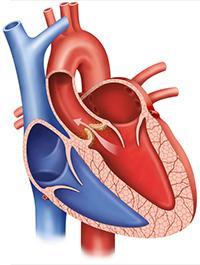 About 5% of adults over age 65 have a stiff, narrowed aortic valve, a condition called aortic stenosis that can cause heart failure and require surgical repair or replacement. A new study finds that people who maintain or improve their heart-related health patterns over time are less likely to develop changes in the aortic valve that may lead to aortic stenosis.
The study, published in the June 2026 issue of the American Journal of Preventive Cardiology, included 8,047 adults (average age 49) who completed surveys every two years from 2006 to 2016. Researchers assessed their patterns of cardiovascular health over that decade based on four behaviors (not smoking, eating better, being active, and sleeping well) and four factors (weight, cholesterol, blood sugar, and blood pressure), which are collectively known as the American Heart Association’s Life’s Essential 8.
Over the next eight years, 1,005 people developed aortic valve calcification, which can lead to aortic stenosis. The researchers found that people with long-term, poor cardiovascular health patterns had the highest odds of this change, but those who improved or maintained their cardiovascular health patterns had a lower risk.
Image: © ilusmedical/Science Photo Library/Getty Images
About the Author

Julie Corliss, Executive Editor, Harvard Heart Letter
About the Reviewer

Robert H. Shmerling, MD, Senior Faculty Editor, Harvard Health Publishing; Editorial Advisory Board Member, Harvard Health Publishing
Disclaimer:
As a service to our readers, Harvard Health Publishing provides access to our library of archived content. Please note the date of last review or update on all articles.
No content on this site, regardless of date, should ever be used as a substitute for direct medical advice from your doctor or other qualified clinician.