4 essential nutrients — are you getting enough?
- Reviewed by Howard E. LeWine, MD, Chief Medical Editor, Harvard Health Publishing; Editorial Advisory Board Member, Harvard Health Publishing
Many Americans don't get enough of four vital nutrients: calcium, potassium, dietary fiber, and vitamin D. Over time, a shortfall of these nutrients may affect different aspects of your health, from teeth and bones to your heart, gut, muscles, blood pressure, weight, and more.
What is a nutritional shortfall?
Nutritional advice can be confusing. Eat more of this, less of that. Make sure you get enough - but not too much. It's no wonder many people have so-called nutritional shortfalls, where their diet lacks sufficient essential nutrients.
So, which nutrients do you really need and how much? And what key nutrients do most people lack?
Four nutrients you need - and where to find them
Here is a closer look at these four nutrients, how much you need, and some of the best sources.
The specific daily amounts of each nutrient are based on the recommended daily calorie intake for adult men and women who don't need to lose or gain weight. For example:
- Women ages 19 to 50 should aim for 1,800 to 2,000 daily calories, and women ages 51 and older 1,600 calories
- Men ages 19 to 50 should aim for 2,200 to 2,400 calories, and those ages 51 and older 2,000 calories.
Of course, specific calorie needs depend on the individual, but these figures offer a reasonable estimate.
Food is always the preferred source, as it gives you other essential vitamins and minerals needed for optimal health. However, if you have trouble eating the suggested foods, check with your doctor about whether supplements are an option.
Calcium
How much: 1,000 to 1,200 milligrams (mg) per day
Where to find it? plain yogurt; cow's milk; soy milk; cooked spinach; tofu.
Potassium
How much: 2,600–3,400 mg per day
Where to find it? cooked lima beans; baked potato with skin; cooked acorn squash; bananas; skipjack tuna.
Dietary fiber
How much? 22–34 grams (g) per day
Where to find it? shredded wheat cereal; popcorn; navy or white cooked beans; berries (raspberries, blackberries, blueberries.
Vitamin D
How much? 600 to 800 international units (IU) per day
Where to find it? salmon; canned light tuna; unsweetened soy milk; cow's milk; plain yogurt; 100% fortified orange juice.
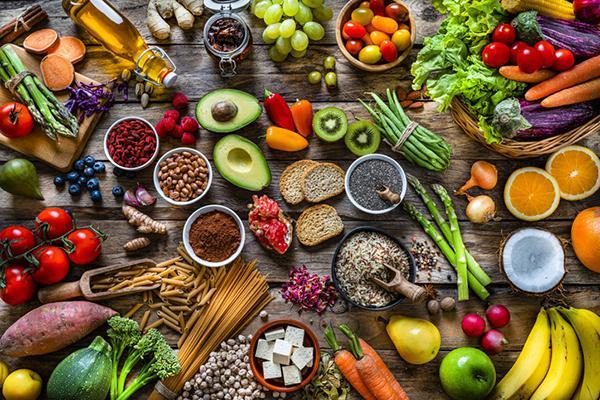
Image: © fcafotodigital/Getty Images
About the Reviewer

Howard E. LeWine, MD, Chief Medical Editor, Harvard Health Publishing; Editorial Advisory Board Member, Harvard Health Publishing
Disclaimer:
As a service to our readers, Harvard Health Publishing provides access to our library of archived content. Please note the date of last review or update on all articles.
No content on this site, regardless of date, should ever be used as a substitute for direct medical advice from your doctor or other qualified clinician.