New guidelines detail what you should eat for a healthy heart
News briefs
- Reviewed by Robert H. Shmerling, MD, Senior Faculty Editor, Harvard Health Publishing; Editorial Advisory Board Member, Harvard Health Publishing
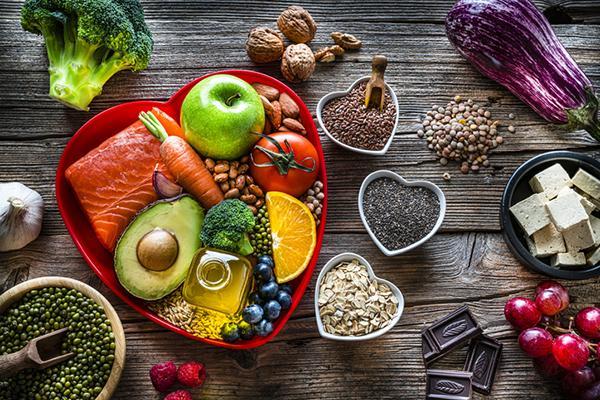
At least half of adults in the United States have unhealthy diets, which can contribute to high blood pressure, obesity, and cardiovascular disease. A scientific statement from the American Heart Association, published online March 31, 2026, by Circulation, details these nine key features of a heart-healthy diet that can help people protect their cardiovascular health:
- Balance calorie intake with physical activity to maintain a healthy weight.
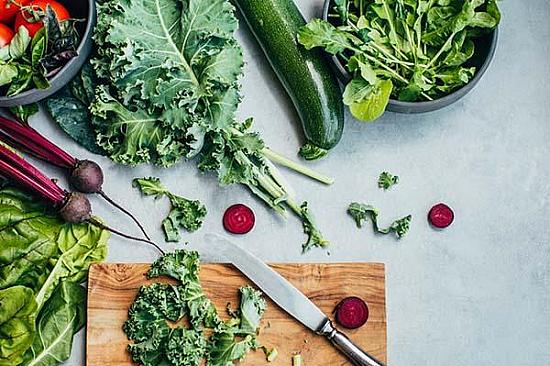
- Eat a wide variety of fruits and vegetables.
- Choose whole grains like brown rice and oatmeal over refined grains like white bread and white rice.
- Choose healthy protein sources: focus on beans, peas, lentils, nuts, and seeds; eat fish and seafood regularly; select low-fat or fat-free dairy products; and if you eat red meat, have small portions of lean cuts.
- Replace saturated fats (found mainly in animal-based foods) with unsaturated fats, such as those from nuts, seeds, and avocados.
- Choose unprocessed or minimally processed rather than ultraprocessed foods.
- Reduce added sugars.
- Choose low-sodium foods and drinks.
- Don’t start drinking alcohol, and if you do drink, have limited amounts.
Image: © fcafotodigital/Getty Images
About the Author

Julie Corliss, Executive Editor, Harvard Heart Letter
About the Reviewer

Robert H. Shmerling, MD, Senior Faculty Editor, Harvard Health Publishing; Editorial Advisory Board Member, Harvard Health Publishing
Disclaimer:
As a service to our readers, Harvard Health Publishing provides access to our library of archived content. Please note the date of last review or update on all articles.
No content on this site, regardless of date, should ever be used as a substitute for direct medical advice from your doctor or other qualified clinician.