

Whole grains may improve several heart risk factors at once

Light exposure at night may raise risk for heart disease

Children of centenarians may stay healthier and live longer too, study finds

A lumbar belt may help ease low back pain

Signs of pneumonia: Sometimes vague and unexpected

Using a vibration plate: What it can — and can't — do for your body

The surprising link between ovarian cancer and the fallopian tubes

People who walk more or walk faster live longer, study finds

Rosacea treatments: What works?

For sleep apnea, a dental device may be as effective as CPAP
Diet and nutrition Archive
Articles

What to eat on the DASH diet
The DASH plan is one of the world’s leading heart-healthy diets. While it limits salt, sugar, saturated fat, and alcohol, it doesn’t have to be bland. With some flavor creativity and changes in shopping and meal planning, it can soon become second nature.

Could having both low vitamin B12 and vitamin D indicate a specific health problem?
Having low vitamin B12 and vitamin D may have several explanations, from diet and sun exposure to conditions that affect nutrient absorption.

What can cause enlarged red blood cells?
Enlarged red blood cells on a routine blood test can have several explanations. Find out what your results may mean and when follow-up is needed.

Weight cycling linked to increased muscle loss
Weight loss may involve repeated episodes of losing weight and gaining it back (weight cycling). A 2026 study found a greater loss of thigh muscle over four years among weight cyclers than among those who maintained a steady weight.

Can diet lower triglyceride levels?
A rising triglyceride level can increase risk of damage to the heart and pancreas. Learn which foods to eat and limit to improve your numbers.

Can ingesting or being exposed to aluminum pose health risks?
Aluminum is common in foods, cookware, and personal-care products, but questions remain about how much exposure or ingestion matters.
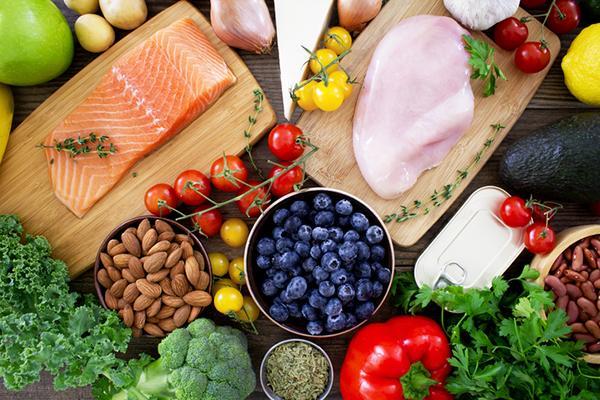
Anti-inflammatory diet: Foods that help reduce chronic inflammation
An anti-inflammatory diet may help rein in chronic inflammation. The eating plan is rich in vegetables, fruit, healthy oils, nuts and seeds, and other foods with anti-inflammatory benefits. What’s not included: refined carbohydrates, red and processed meats, deep-fried foods, and other inflammation-promoting foods.
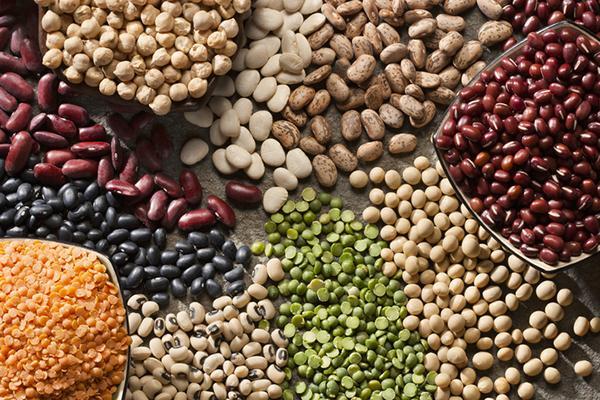
Legumes: Are they good for your heart?
Legumes, which include beans, peas, and lentils, are a good source of plant-based protein. They also contain two forms of fiber that may help lower cholesterol, blood pressure, inflammation, and body weight—all important causes of heart disease.
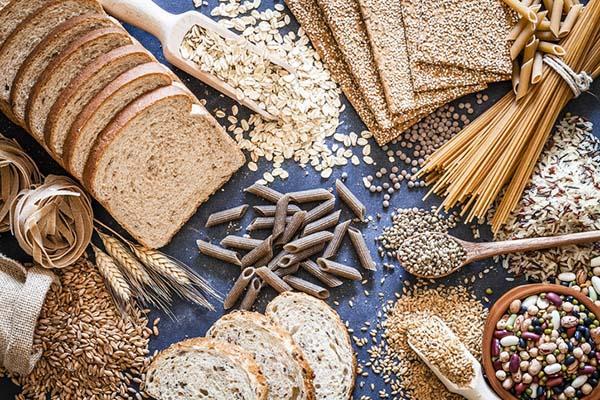
Are you eating too much fiber?
Most Americans need more fiber, but going well beyond recommended amounts offers no proven added benefit and can cause uncomfortable side effects. Instead, boost fiber slowly and spread it out over the day, favor whole foods over supplements, and drink plenty of fluids.

Healthy breakfast ideas to support energy and metabolism
Breakfast can supply energy and nutrients at the time of day when the body’s metabolism works most efficiently. A nourishing morning meal can include some protein, fiber-rich carbs, and a fruit or vegetable—and it doesn’t have to be typical “breakfast food.”
Whole grains may improve several heart risk factors at once
Light exposure at night may raise risk for heart disease
Children of centenarians may stay healthier and live longer too, study finds
A lumbar belt may help ease low back pain
Signs of pneumonia: Sometimes vague and unexpected
Using a vibration plate: What it can — and can't — do for your body
The surprising link between ovarian cancer and the fallopian tubes
People who walk more or walk faster live longer, study finds
Rosacea treatments: What works?
For sleep apnea, a dental device may be as effective as CPAP
Free Healthbeat Signup
Get the latest in health news delivered to your inbox!
Sign Up
