

Whole grains may improve several heart risk factors at once

Light exposure at night may raise risk for heart disease

Children of centenarians may stay healthier and live longer too, study finds

A lumbar belt may help ease low back pain

Signs of pneumonia: Sometimes vague and unexpected

Using a vibration plate: What it can — and can't — do for your body

The surprising link between ovarian cancer and the fallopian tubes

People who walk more or walk faster live longer, study finds

Rosacea treatments: What works?

For sleep apnea, a dental device may be as effective as CPAP
Diet and nutrition Archive
Articles

Eating enough daily protein may delay disability
In the journals
Eating extra protein may protect older adults from becoming disabled and help them maintain independent lives, according to a study published online Nov. 1, 2018, by the Journal of the American Geriatrics Society.
The recommended dietary allowance (RDA) for protein is 0.8 grams per kilogram of body weight per day. In the study, scientists recruited 722 85-year-olds and examined their medical data, including information like physical activity, what they ate each day, their body weight, and overall health status. Disability was measured from self-reported questionnaires in which the people described how much difficulty they had performing 17 activities of daily living, such as getting in and out of bed, dressing, bathing, doing household chores, and going up and down stairs.
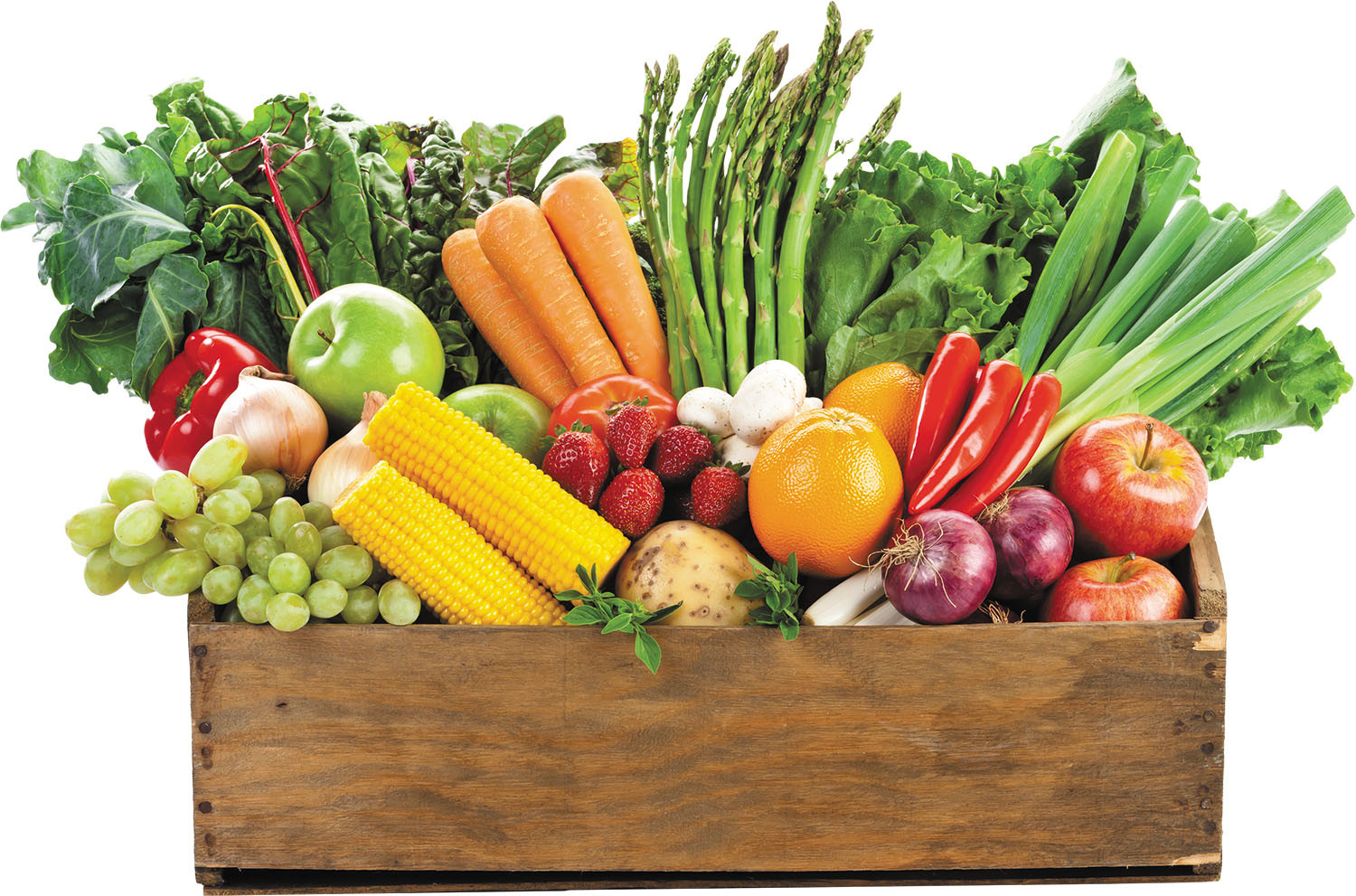
Can you eat away at your cancer risk?
A healthy diet should go heavy on vegetables and skip alcohol, sugary drinks, and processed foods.
Image: © fcafotodigital/Getty Images
Most of the time when someone gets cancer, it's because of bad genes or bad luck. But as many as four in 10 cancers may be preventable. And diet likely plays an important role in reducing (or increasing) your risk.
It's no surprise that vegetables and fruits are thought to reduce cancer risk, according to Teresa Fung, adjunct professor in the Department of Nutrition at the Harvard T.H. Chan School of Public Health and faculty editor of Healthy Eating, a Special Health Report from Harvard Health Publishing (available at www.health.harvard.edu/special-health-reports). It probably also won't shock you to learn that bacon, fast food, and sugary drinks fall into the opposite category. But how can you know for sure which foods to eat and which to avoid?

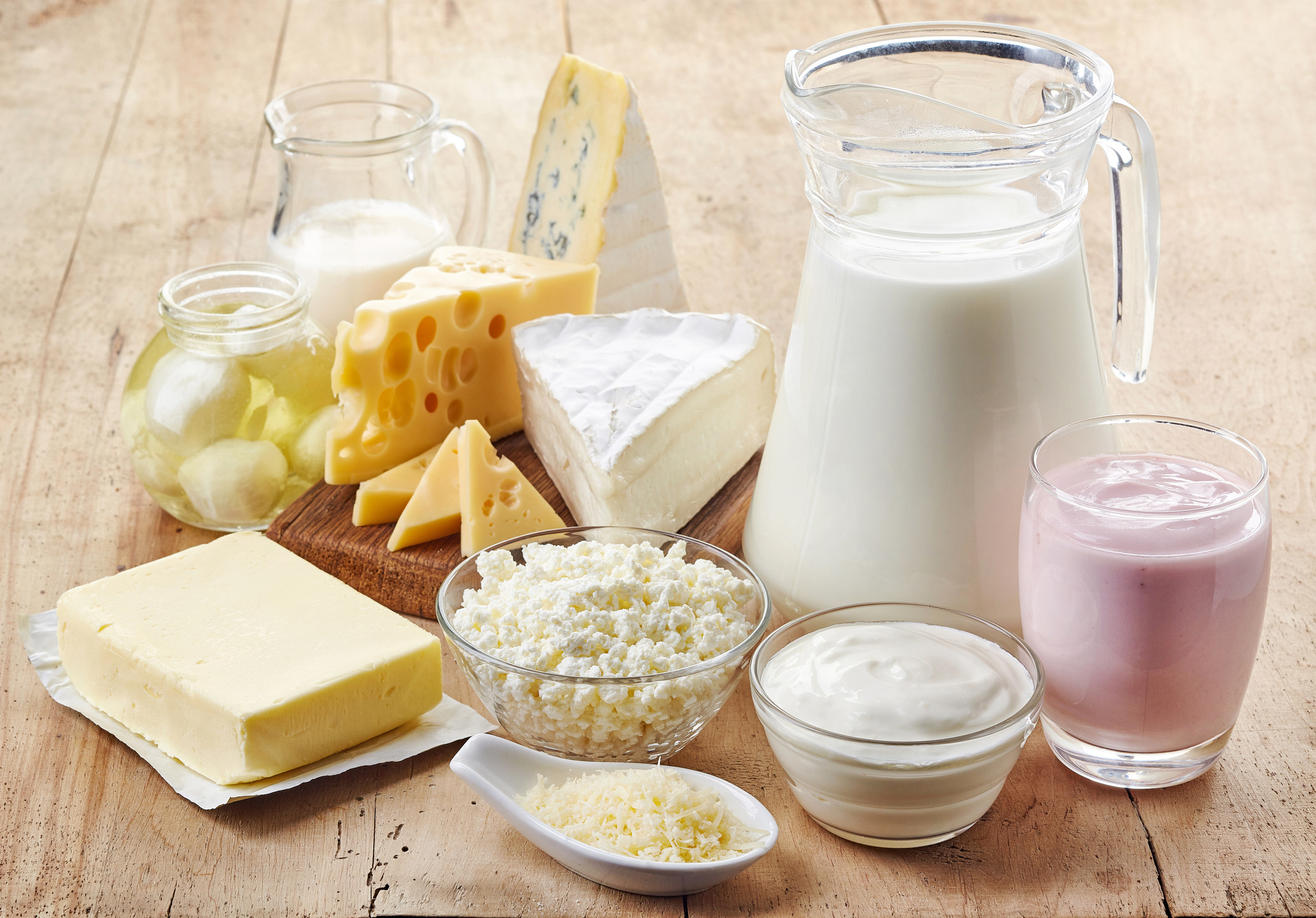

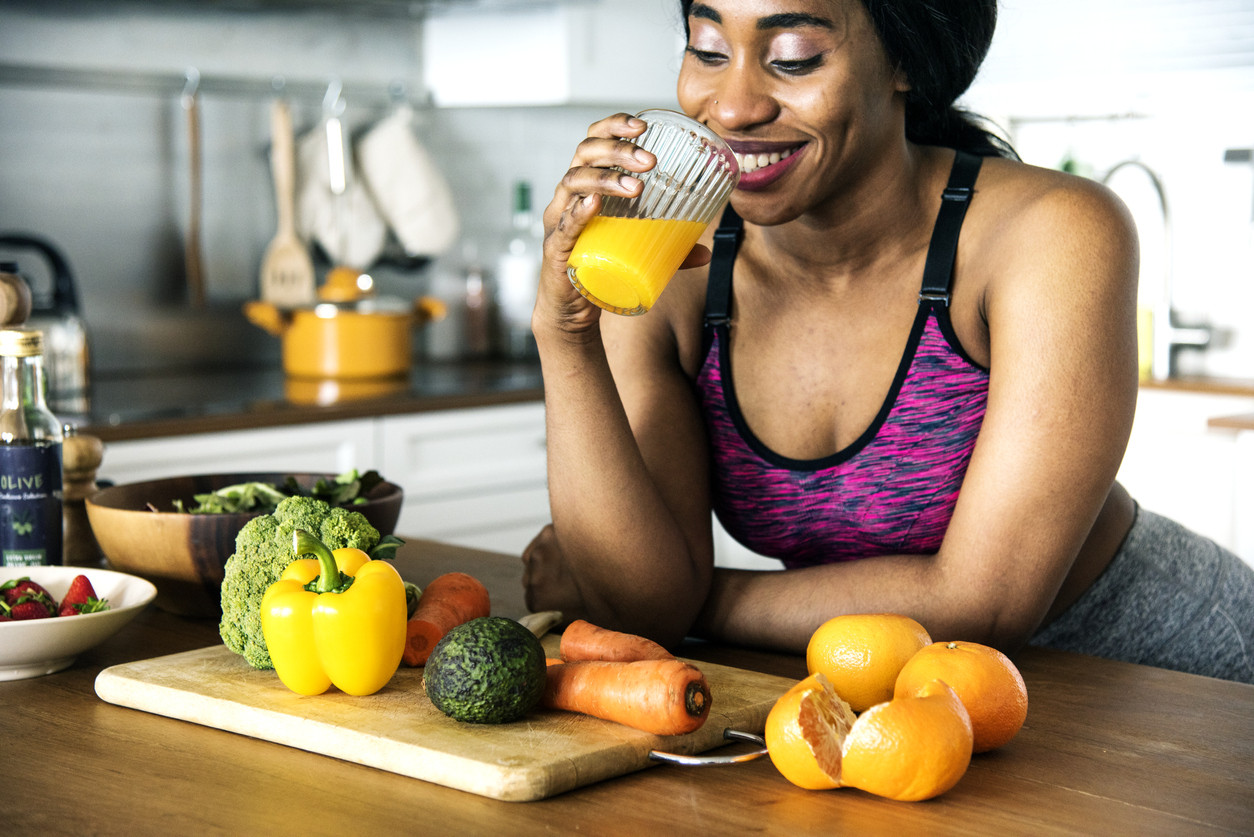

How to spot the most common “food fakes”
Healthy-sounding claims on food packaging can be misleading. Here's how to find impostors.
Image: © DjelicS/Getty Images
The New Year may have you thinking about a healthier diet, but you may need to do some detective work to find the healthiest foods in your grocery store. Food manufacturers often use terms that make products sound healthier than they are.
"Finding the healthiest foods takes time and effort, and we want things that are quick and easy. We need to take a couple of steps back and look beyond the flashy labels to see what actually is — and isn't — in the foods," says registered dietitian Kathy McManus, director of the Department of Nutrition at Harvard-affiliated Brigham and Women's Hospital.

Home cooking for better heart health
Preparing your own plant-based meals — focused on beans, grains, and veggies — is easier than you think.
Image: © Halfpoint/Getty Images
Eating more plant-based foods has many advantages, especially for your heart. But even with the best of intentions, many people find the transition to plant-centric meals a little daunting. Take for instance the daily dilemma of deciding what's for dinner. Where do you even begin?
Instead of trying to cook an entire vegetarian meal from scratch, start with one small step and build from there, says Dr. Rani Polak, founding director of the Culinary Healthcare Education Fundamentals (CHEF) Coaching program at Harvard's Institute of Lifestyle Medicine (see "What is lifestyle medicine?").

Legume of the month
Image: © Kateryna_Mostova/Getty Images
Editor's note: This year, we're highlighting legumes on this page. Low in fat but rich in protein and other nutrients, they're a staple of plant-based eating. Starting in February, we'll feature a different legume each month, along with information and recipe tips from different cultures around the world.
But we're starting off with the basics: a simple recipe for cooking dried beans.
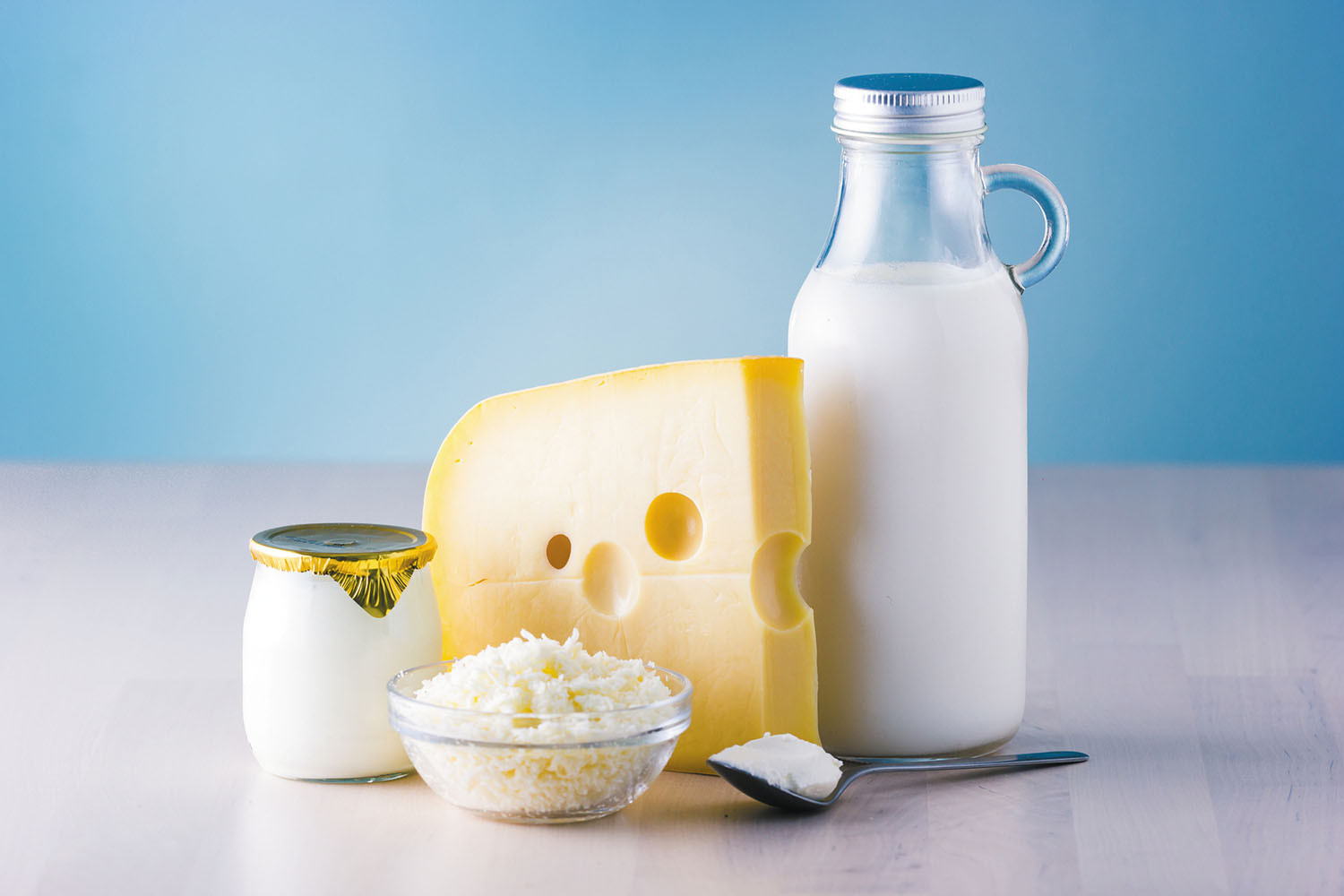
Two daily servings of dairy: Good for your heart?
Research we're watching
Image: © nehopelon/Getty Images
People whose daily diets include at least two servings per day of milk, yogurt, or cheese appear to have a lower risk of heart disease, stroke, or death than people who don't consume dairy products.
The findings, published Sept. 11, 2018, in The Lancet, were based on food questionnaires from more than 136,000 people from 21 countries. After a follow-up that lasted an average of nine years, researchers found that adults who consumed two or more servings of dairy each day had a 22% lower risk for heart disease, a 34% lower risk for stroke, and a 23% lower risk of heart-related death. Observational studies such as this one cannot prove cause and effect. But dairy-based foods contain vitamins D and K, calcium, and other nutrients thought to be good for cardiovascular health. The findings support the benefits of all types of dairy, including full-fat versions. However, current guidelines still recommend nonfat or low-fat milk, yogurt, and cheese, which contain fewer calories and less saturated fat.
Whole grains may improve several heart risk factors at once
Light exposure at night may raise risk for heart disease
Children of centenarians may stay healthier and live longer too, study finds
A lumbar belt may help ease low back pain
Signs of pneumonia: Sometimes vague and unexpected
Using a vibration plate: What it can — and can't — do for your body
The surprising link between ovarian cancer and the fallopian tubes
People who walk more or walk faster live longer, study finds
Rosacea treatments: What works?
For sleep apnea, a dental device may be as effective as CPAP
Free Healthbeat Signup
Get the latest in health news delivered to your inbox!
Sign Up
