

Healing after food poisoning

What is tempeh? Benefits, nutrition, and how to use it

Light exposure at night may raise risk for heart disease

Whole grains may improve several heart risk factors at once

A lumbar belt may help ease low back pain

Children of centenarians may stay healthier and live longer too, study finds

Signs of pneumonia: Sometimes vague and unexpected

The surprising link between ovarian cancer and the fallopian tubes

Using a vibration plate: What it can — and can't — do for your body

People who walk more or walk faster live longer, study finds
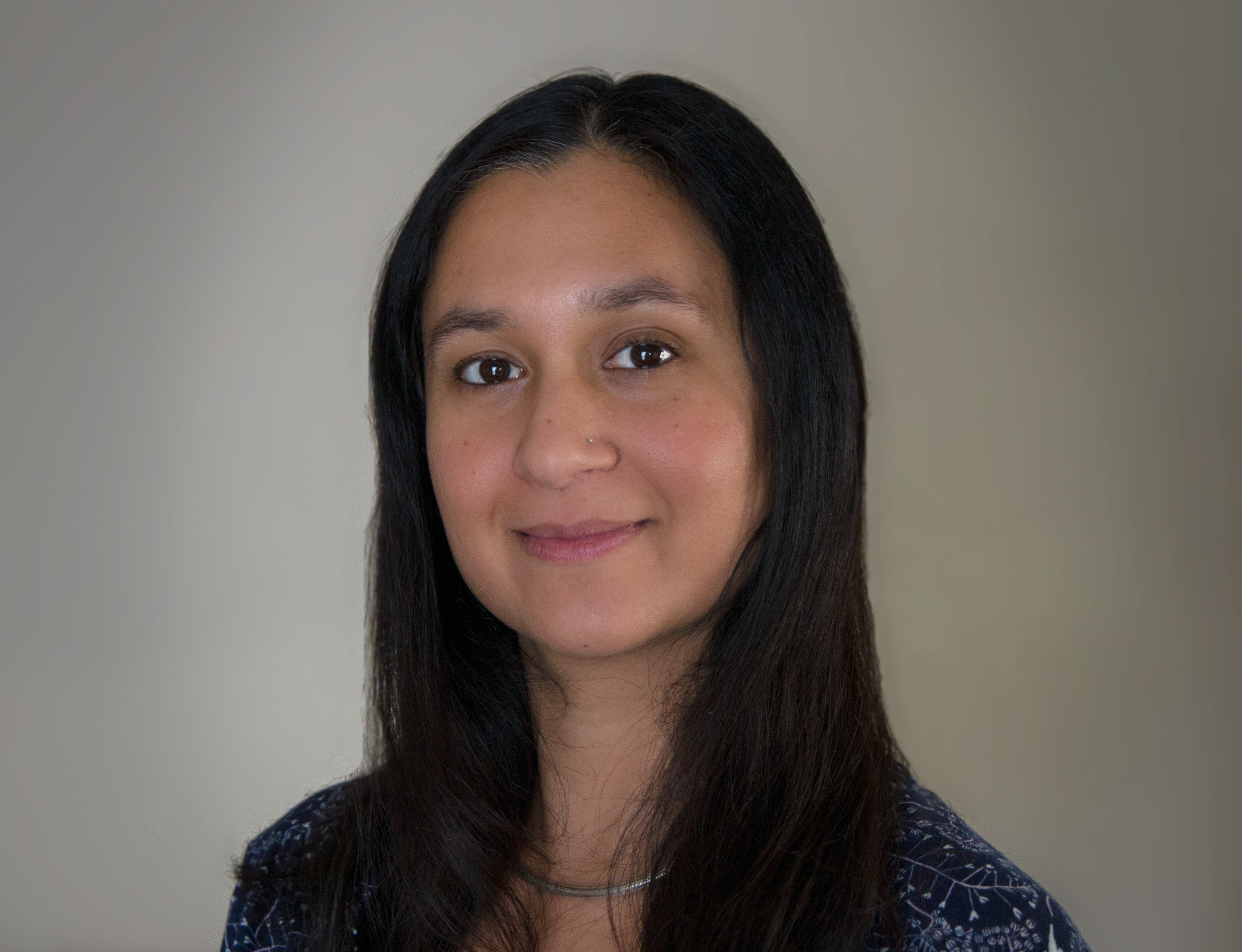
Vasanti Malik, ScD
Contributor
Vasanti Malik, ScD., is a Research Scientist in the Department of Nutrition at the Harvard T.H. Chan School of Public Health. She obtained a MSc. in Nutritional Sciences from the University of Toronto and a dual doctorate in Nutrition and Epidemiology from the Harvard Chan School. Her research focuses on evaluating risk factors for obesity, type 2 diabetes and cardiovascular disease with an emphasis on diet quality. Dr. Malik also studies nutritional drivers of the global obesity and diabetes epidemics in countries undergoing epidemiologic transition and currently directs the Global Nutrition and Epidemiologic Transition Initiative; a collaborative project with 13 low- and- middle income countries that aims to reduce diabetes risk by improving diet and lifestyle. She is an Associate Editor for BMC Obesity and a Review Editor for Frontiers in Public Health. The ultimate goal of Dr. Malik’s work is to inform future large-scale community-based interventions and policy strategies to reduce the risk of obesity and related chronic diseases nationally and globally.
Posts by Vasanti Malik, ScD

Healing after food poisoning
What is tempeh? Benefits, nutrition, and how to use it
Light exposure at night may raise risk for heart disease
Whole grains may improve several heart risk factors at once
A lumbar belt may help ease low back pain
Children of centenarians may stay healthier and live longer too, study finds
Signs of pneumonia: Sometimes vague and unexpected
The surprising link between ovarian cancer and the fallopian tubes
Using a vibration plate: What it can — and can't — do for your body
People who walk more or walk faster live longer, study finds

