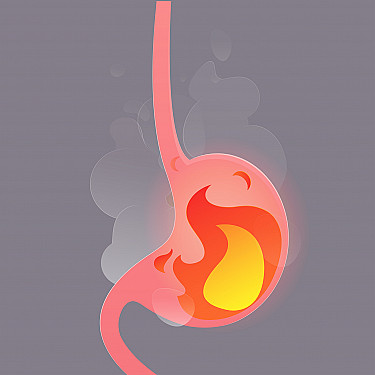
Can diet changes help manage gallstones to avoid gallbladder surgery?
Ask the expert

Q. I have been diagnosed with gallstones. What foods can I eat to help them dissolve so I don't have to have surgery?
A. I wish dietary changes could dissolve gallstones. Unfortunately, studies on diet and gallstones haven't provided us with a clear picture of what foods might make a difference.
People who consume large quantities of simple sugars and dietary fats are more likely to have gallstones compared to people who eat what is considered a "heart-healthy diet." However, this is just an association. There is no proof that sugar and fat cause gallstones.
While the types of foods a person eats don't reliably influence the formation of gallstones, the amount of calories you eat does matter. Overweight people, especially women, tend to develop more gallstones than people at healthy weights.
Body size is one part of the equation. The other just-as-important risk factor for gallstones is rapid change in body weight. Gallstones often form when someone gains or loses a significant amount of weight over a relatively short period of time.
Even though you can't dissolve the stones you have, managing how you put on pounds and how you take them off matters. If you need to lose weight, do it slowly. Don't go on a crash diet. And definitely don't allow yourself to gain weight rapidly.
When people have symptoms related to gallstones, it's worth trying a low-fat diet with a special emphasis on reducing saturated fats. Less dietary fat can potentially decrease contractions of the gallbladder. This may prevent stones from moving out of the gallbladder into the bile duct where they may get stuck. So, a low-fat diet may decrease the risk of future attacks of pain related to the gallstones, known as biliary colic.
A low fat diet won't dissolve the stones, but by preventing biliary colic, the diet may allow a person to put off surgery to remove the gallbladder, at least for a while.
Image: © PonyWang/Getty Images
About the Author
Howard E. LeWine, MD, Chief Medical Editor, Harvard Health Publishing; Editorial Advisory Board Member, Harvard Health Publishing
Disclaimer:
As a service to our readers, Harvard Health Publishing provides access to our library of archived content. Please note the date of last review or update on all articles.
No content on this site, regardless of date, should ever be used as a substitute for direct medical advice from your doctor or other qualified clinician.