

Whole grains may improve several heart risk factors at once

Light exposure at night may raise risk for heart disease

Children of centenarians may stay healthier and live longer too, study finds

A lumbar belt may help ease low back pain

Signs of pneumonia: Sometimes vague and unexpected

Using a vibration plate: What it can — and can't — do for your body

The surprising link between ovarian cancer and the fallopian tubes

People who walk more or walk faster live longer, study finds

Rosacea treatments: What works?

For sleep apnea, a dental device may be as effective as CPAP
Diet and nutrition Archive
Articles

8 simple ways to reduce ultra-processed foods in your diet
Cutting back on ultra-processed foods that have little nutritional value can help protect your health, but you don't have to make everything from scratch either. Seek out less-processed versions of your favorite foods at your supermarket to turn into healthy meals with minimal effort.

GERD diet: Foods to avoid to reduce acid reflux
Dietary changes can make a big difference for people with gastroesophageal reflux disease (GERD). Foods to limit or avoid include chocolate, onions, and tomato sauce. Adjusting eating habits-by eating smaller portions, for example-might also help people avoid heartburn and other symptoms.

How to curb your stress eating
Stress eating involves using food as a coping mechanism when life is difficult. Persistently high levels of cortisol can increase appetite, and past experiences can lead people to associate eating with stressful situations. The foods people crave may depend on their form of turmoil.

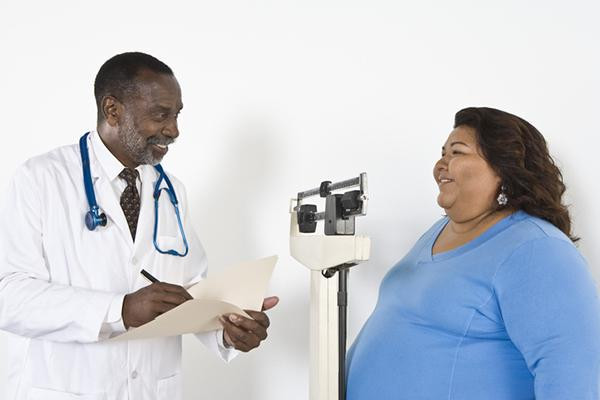
GLP-1 drugs versus bariatric surgery for treating obesity
Two proven therapies for treating obesity - GLP-1 drugs and bariatric surgery - can help people lose substantial amounts of weight. The approaches differ in their effectiveness, durability, side effects, cost, and insurance coverage.

Trying to lose weight? Be careful not to lose muscle
People can prevent excessive muscle loss while losing weight by doing resistance training to build muscle, consuming enough protein, and slowing their weight-loss pace.
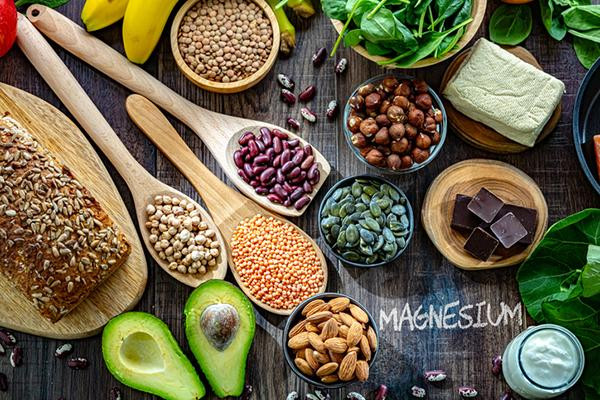
Should you take a magnesium supplement to lower your blood pressure?
Taking magnesium supplements has become popular in recent years, and some evidence suggests this practice may help lower blood pressure, especially for those with high blood pressure or low magnesium levels. But a healthy diet is a better way for people to ensure they're getting enough of this essential nutrient.
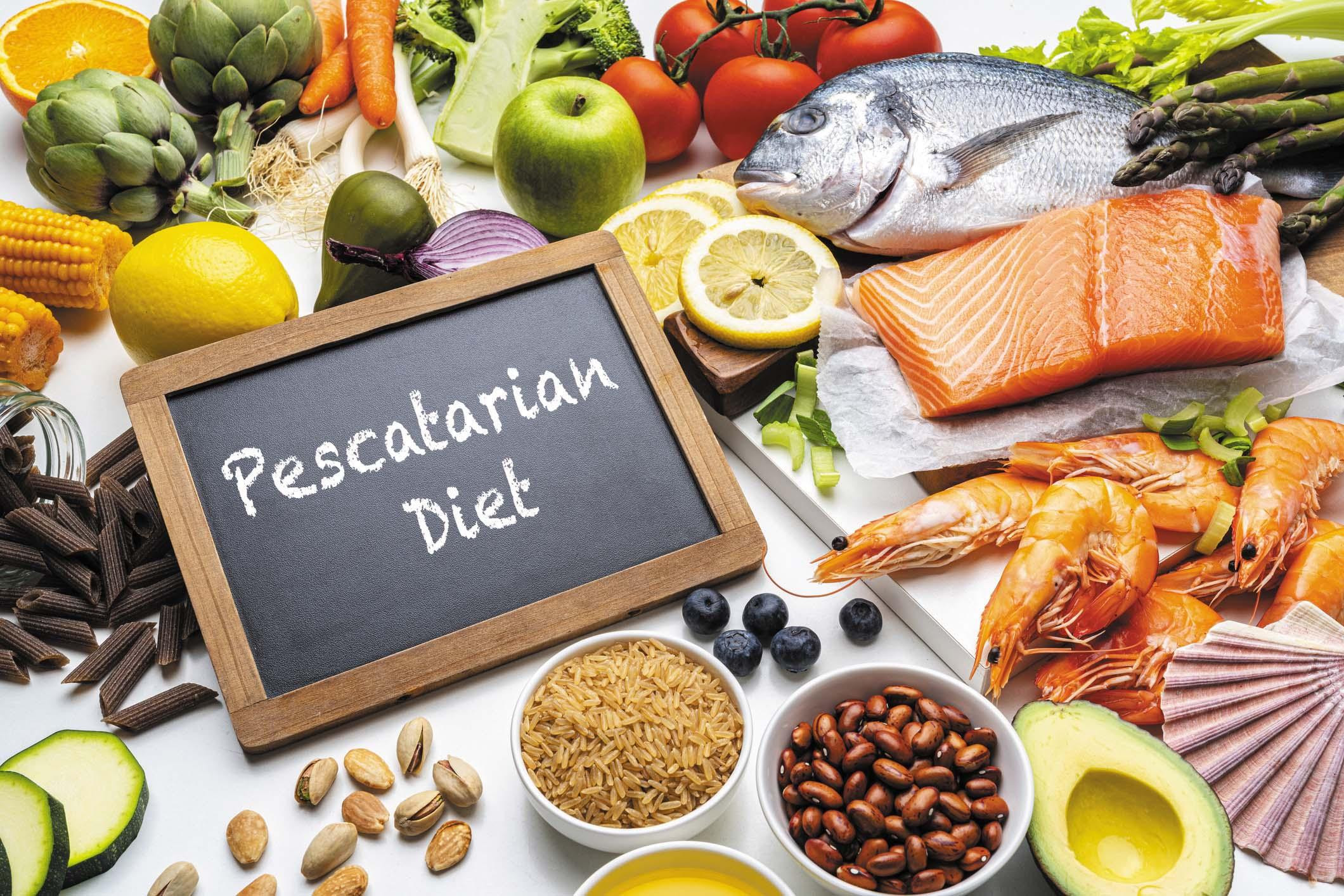
Go fish for a healthy heart
A pescatarian diet pairs plant-based eating with fish and shellfish, offering key nutrients and heart- and brain-protective omega-3s. Choosing smaller, sustainably caught seafood helps limit environmental impact and mercury exposure.
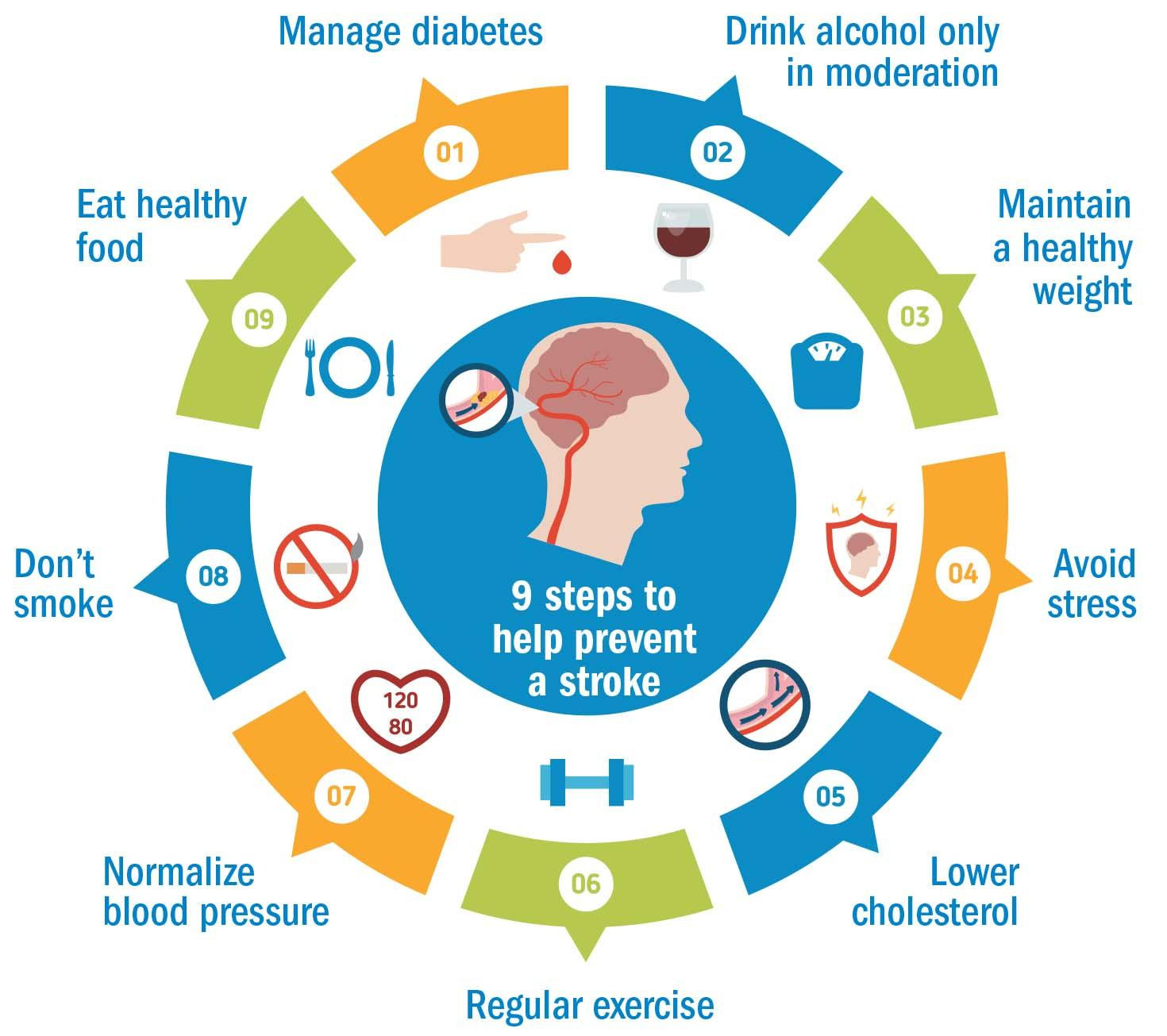
Reducing your stroke risk after a ministroke
A transient ischemic attack (TIA), or ministroke, is a serious warning sign for future stroke, especially in the first 48 hours. Medications plus lifestyle changes-healthy eating, regular exercise, and blood pressure control-can significantly lower that risk.
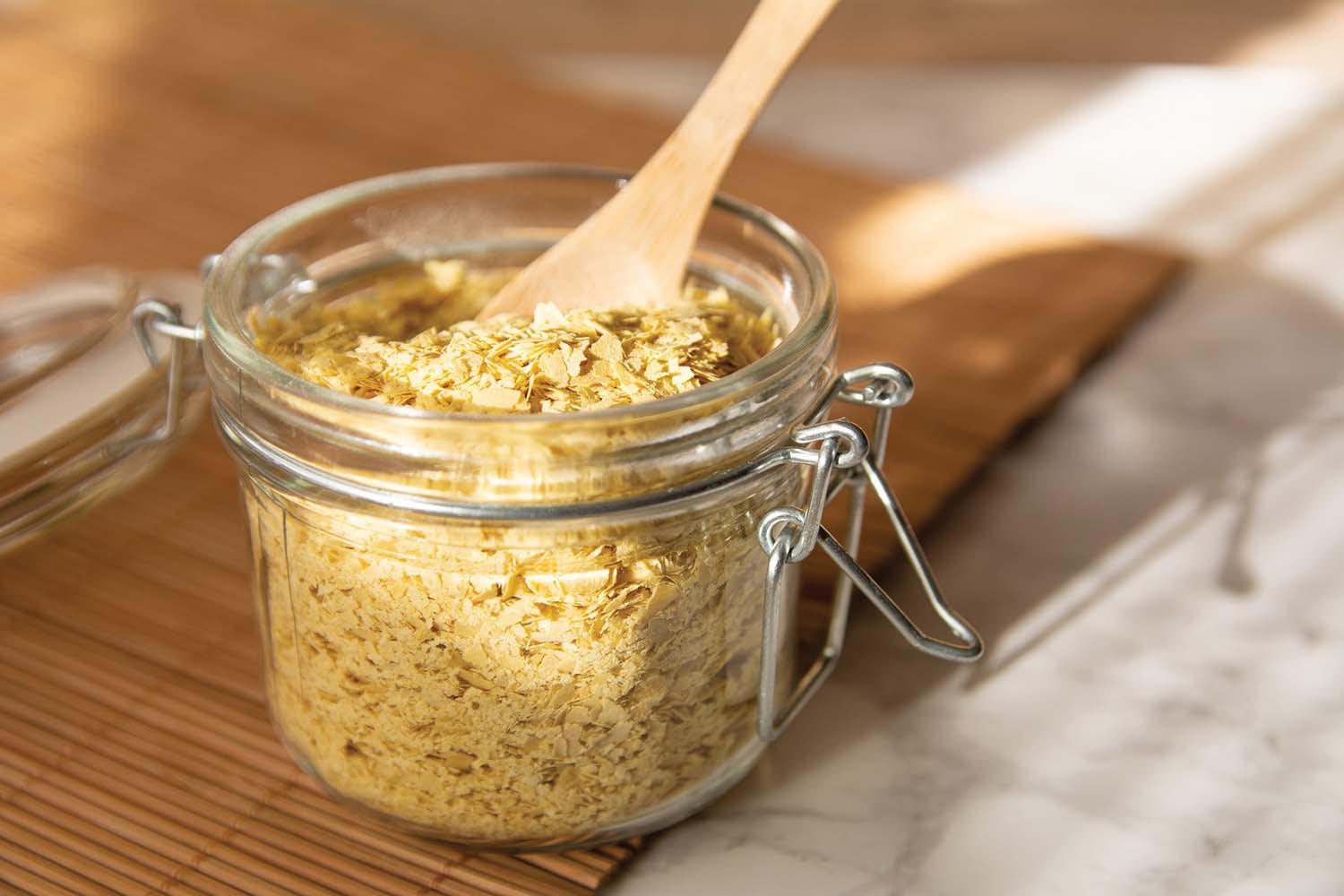
Caution: Sprinkle this savory seasoning with care
Nutritional yeast is a savory condiment that's often heavily fortified with vitamins. Because high doses may cause side effects, interact with some medications, or cause certain health problems, it's best used sparingly as a flavoring, not as a supplement.
Whole grains may improve several heart risk factors at once
Light exposure at night may raise risk for heart disease
Children of centenarians may stay healthier and live longer too, study finds
A lumbar belt may help ease low back pain
Signs of pneumonia: Sometimes vague and unexpected
Using a vibration plate: What it can — and can't — do for your body
The surprising link between ovarian cancer and the fallopian tubes
People who walk more or walk faster live longer, study finds
Rosacea treatments: What works?
For sleep apnea, a dental device may be as effective as CPAP
Free Healthbeat Signup
Get the latest in health news delivered to your inbox!
Sign Up
