

Whole grains may improve several heart risk factors at once

Light exposure at night may raise risk for heart disease

Children of centenarians may stay healthier and live longer too, study finds

A lumbar belt may help ease low back pain

Signs of pneumonia: Sometimes vague and unexpected

Using a vibration plate: What it can — and can't — do for your body

The surprising link between ovarian cancer and the fallopian tubes

People who walk more or walk faster live longer, study finds

Rosacea treatments: What works?

For sleep apnea, a dental device may be as effective as CPAP
Diet and nutrition Archive
Articles


Substituting plant oils for butter can lead to better health
People who consume plant-based oil instead of butter may have a lower risk of death from cancer and cardiovascular disease, according to a 2025 study. These oils have more heart-healthy unsaturated fats, which help lower cholesterol levels and chronic inflammation.

Plant-based oils are better than butter for your heart
Trading about a tablespoon of butter per day for about two teaspoons of olive, soybean, or canola oil may help lower the risk of heart disease and premature death, according to a 2025 study.

Want to live longer? Replace butter with plant-based oil
In a 2025 study of more than 221,000 people followed for more than 30 years, scientists calculated that swapping about a tablespoon of butter per day for about two teaspoons of olive, soybean, or canola oil was tied to a 17% reduction in premature death.

A simpler FODMAP diet for irritable bowel syndrome
A small randomized controlled trial published in February 2025 suggests that eliminating oligosaccharides from the diet might be enough to ease symptoms of irritable bowel syndrome, as opposed to eliminating all the categories of food known as FODMAPs.

Break out of your breakfast rut
Heart-friendly breakfast ideas include a mix of foods that provide protein, fiber, and unsaturated fat, which can help stave off hunger until lunchtime. Examples include eggs cooked with vegetables, Greek yogurt with berries and nuts, or oatmeal cooked with milk and topped with fruit. Other quick options are a slice of whole-grain toast spread with mashed avocado and cherry tomatoes, almond butter and sliced apple, or ricotta cheese and sliced kiwi.

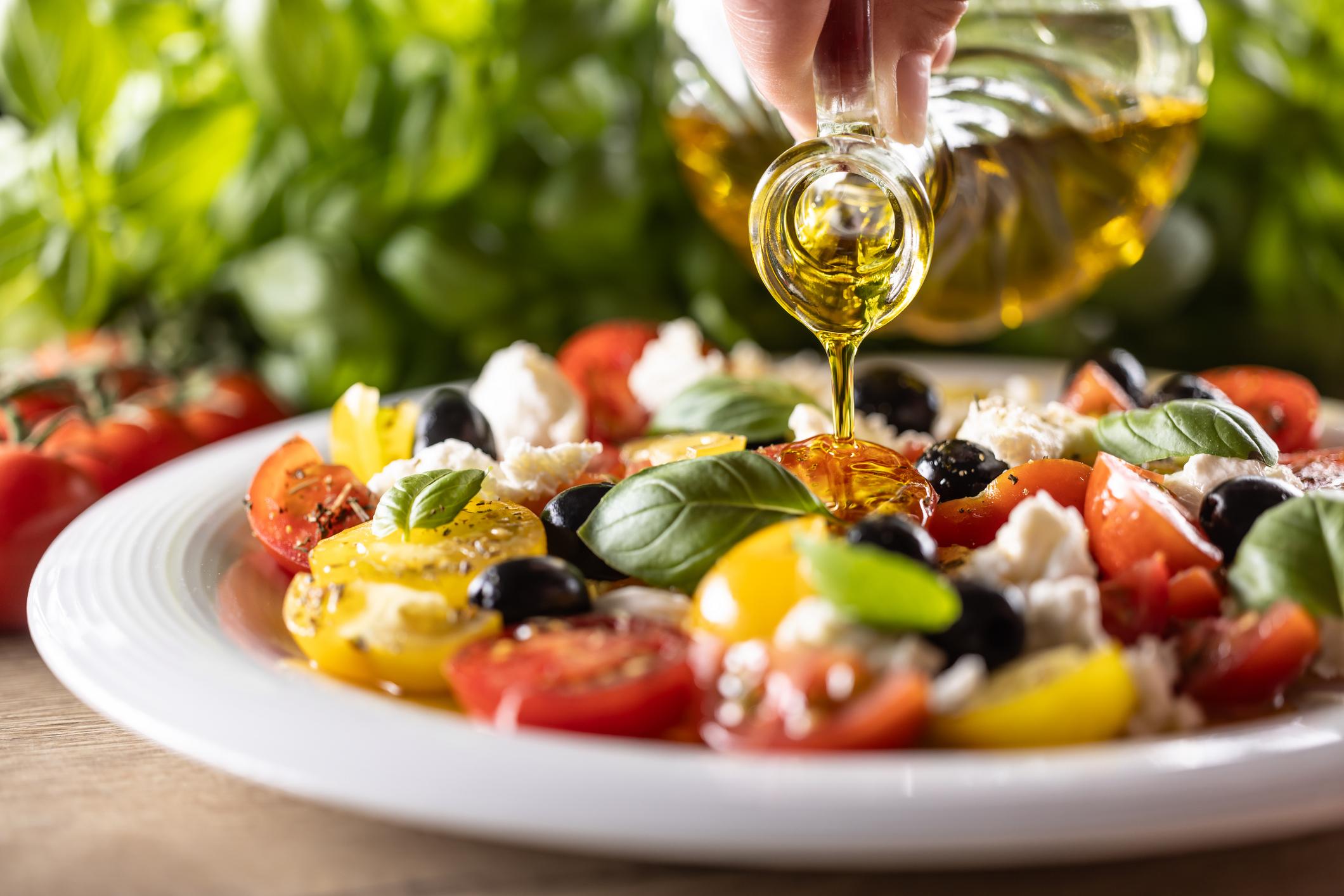
For better heart health, eat like a Mediterranean this week
The Mediterranean diet is associated with lower risk of cardiovascular disease, heart attack, stroke, type 2 diabetes, and various types of cancer, among other benefits. Try these easy swaps to get started,

Processed red meat linked to higher risk of dementia
A 2025 study suggested that people who eat higher amounts of processed red meat may be more likely to develop dementia than people who eat very little of it.

Harvard scientists: Red meat tied to increased dementia risk
In a 2025 Harvard study of more than 133,000 people followed for four decades, those who ate the most red meat each day (a quarter-serving or more) had a 13% higher risk of developing dementia later in life, compared with people who ate the least.
Whole grains may improve several heart risk factors at once
Light exposure at night may raise risk for heart disease
Children of centenarians may stay healthier and live longer too, study finds
A lumbar belt may help ease low back pain
Signs of pneumonia: Sometimes vague and unexpected
Using a vibration plate: What it can — and can't — do for your body
The surprising link between ovarian cancer and the fallopian tubes
People who walk more or walk faster live longer, study finds
Rosacea treatments: What works?
For sleep apnea, a dental device may be as effective as CPAP
Free Healthbeat Signup
Get the latest in health news delivered to your inbox!
Sign Up
