
Daily cup of coffee may prevent afib recurrence

Gene-editing therapy lowers harmful blood fats in early study

What is EMDR therapy, and who can it help?
GLP-1 drugs versus bariatric surgery for treating obesity

Trying to lose weight? Be careful not to lose muscle

Two dumbbells, three exercises, and 10 minutes

Easing the emotional burden of IBS

Modify your push-ups to meet your fitness level
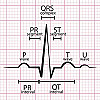
What is long QT syndrome?

Stroke survivors may benefit from very low LDL levels
Surgery Archive
Articles

Dementia and frailty increase odds of dying after major surgery
A 2022 study found that among adults 65 and older who undergo major surgery, nearly one in seven dies within a year. Dementia or frailty greatly increase the odds of postoperative death.

Pondering a new knee? Try this as you gear up for the decision
People with knee arthritis who don't feel ready for joint replacement can take a number of steps as they ponder the possibility. These include getting knee injections or wearing a brace to reduce pain, modifying activities (such as exercise) that aggravate knee pain, losing weight to take pressure off the knee joint, exercising more to help with weight control, seeking physical therapy, getting underlying health conditions under control, doing research about knee replacement, and talking to an orthopedic surgeon.

Seeing a surgeon?
A pre-surgery consultation with the surgeon can feel overwhelming. Many people are anxious and have questions about what's to come. Setting the right expectations on both sides can ease anxiety and help define a successful outcome.

Take arms against perplexing pain
Pain in the shoulder, elbow, or wrist without obvious injury is common. Possible causes include arthritis, bursitis, frozen shoulder, rotator cuff tear, tendinitis, or nerve compression in the carpal tunnel or the cubital tunnel. Home remedies include rest, ice, compression, or elevation; over-the-counter anti-inflammatory pain relievers; and devices such as a splint or brace. Other treatments include physical therapy or steroid injections. Surgery is usually a last resort.

The latest in cancer treatments
Groundbreaking cancer treatments continuously emerge from labs and research trials. Three Harvard oncologists share what stands out in their respective fields of prostate, lung, and colon cancer, the most common cancers among men. Examples include greater roles for immunotherapy, targeted therapy, and intensive hormonal treatments.

Physical therapy as good as surgery for healing knee meniscal tears
A 2022 study found that physical therapy works as well as surgery for degenerative meniscal tears in the knee, an injury related to tissue aging that can lead to osteoarthritis. This approach offers an alternative for people concerned about surgery's costs and possible complications.

Bleeding problems: Know your risk
Anti-clotting medications have a well-known and fairly common effect: a heightened risk of bleeding. Being older, having certain health conditions, and taking certain drugs (including popular over-the-counter pain relievers) can increase this risk. Minor bleeding includes bleeding gums after toothbrushing or flossing and nosebleeds that take longer than usual to stop. Signs of more serious bleeding (which requires immediate medical care) include tea-colored, pink, or red urine; blood in the stool or black, tarry stools; or a sudden, severe headache.

Atrial fibrillation after surgery: Common and undertreated?
After surgery unrelated to the heart, a diagnosis of atrial fibrillation (afib) may be more common than previously thought. These cases, which may constitute 13% of new afib diagnoses, appear to be undertreated.

When is the "right" time for weight loss surgery?
Weight-loss surgery is now viewed as a way to both prevent and treat health problems linked to extreme obesity, such as diabetes, heart disease, and sleep apnea. Annually, more than 250,000 Americans undergo bariatric procedures, which can help extend their lives. Weight-loss procedures include sleeve gastrectomy, gastric bypass, and gastric banding, which reduce stomach size and change the way the body absorbs food. The surgery adds to other weight-loss measures such as diet, exercise, and medications.

Treatment for an enlarged prostate
Benign prostatic hyperplasia, also known as an enlarged prostate, occurs in about 50% of men by age 60. It can lead to urination problems like a hesitant, interrupted, or weak urine stream; dribbling after urinating; a feeling that the bladder does not completely empty; and more frequent urination, especially at night. Medication and lifestyle changes are the first-line treatments, but if these don't work, men can choose from several types of surgery or less-invasive procedures to help manage symptoms.
Daily cup of coffee may prevent afib recurrence
Gene-editing therapy lowers harmful blood fats in early study
What is EMDR therapy, and who can it help?
GLP-1 drugs versus bariatric surgery for treating obesity
Trying to lose weight? Be careful not to lose muscle
Two dumbbells, three exercises, and 10 minutes
Easing the emotional burden of IBS
Modify your push-ups to meet your fitness level
What is long QT syndrome?
Stroke survivors may benefit from very low LDL levels
Free Healthbeat Signup
Get the latest in health news delivered to your inbox!
Sign Up