
Daily cup of coffee may prevent afib recurrence

Gene-editing therapy lowers harmful blood fats in early study

What is EMDR therapy, and who can it help?
GLP-1 drugs versus bariatric surgery for treating obesity

Trying to lose weight? Be careful not to lose muscle

Two dumbbells, three exercises, and 10 minutes

Easing the emotional burden of IBS

Modify your push-ups to meet your fitness level
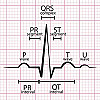
What is long QT syndrome?

Stroke survivors may benefit from very low LDL levels
Surgery Archive
Articles

Is it time for a knee replacement?
Annually, about 790,000 Americans (about 60% women) undergo knee replacement surgery. Women are more likely to have arthritis, the main culprit leading to most knee replacements. Before surgery becomes an option, people first need to try conservative treatments such as pain relievers, injectable medications, and physical therapy. Signs a knee replacement may be necessary include pain that hinders people from doing basic activities, unstable walking, and needing multiple medications to function.

Low-dose aspirin now the preferred agent to help prevent blood clots after knee replacement
A 2024 study found that low-dose aspirin therapy was more effective than taking anticoagulants for reducing the risk of blood clots following a total knee replacement surgery. Aspirin therapy also caused fewer bleeding complications.

Why choose bypass surgery over stents?
People who have stable angina despite taking medications can be treated with stents or bypass surgery. The best choice depends on the location and complexity of the artery blockages and other health conditions.


Upcoming surgery? You may not need any heart tests beforehand
Getting an electrocardiogram (ECG) prior to undergoing noncardiac surgery should be the exception rather than the rule. About half of surgeries are low-risk and pose very little danger for the heart. Asking about a person's symptoms during physical activity—for example, whether they can walk up a flight of stairs without feeling winded—is a better gauge of their risk than the findings from an ECG. But presurgical ECGs make sense for older, inactive people with heart disease. The results can reveal signs of reduced blood flow to the heart or an unstable electrical heart rhythm that may require treatment before surgery.

Dupuytren's contracture of the hand
One condition affecting the hands and fingers is Dupuytren's contracture, where one or more fingers become curled, making it difficult to perform everyday activities. Dupuytren's affects one in 20 Americans, so what do people need to know about it?

What complications can occur after prostate cancer surgery?
Minimally invasive surgery to remove the prostate gland is generally very well tolerated, but there can be complications, as in the case of Defense Secretary Lloyd Austin earlier this year. A Harvard-affiliated urologist answers questions about the possibility of such complications.

What is dropless cataract surgery?
Dropless cataract surgery is a new innovation. It enables eye surgeons to administer a medication into a patient's eye during surgery that eliminates the need to use expensive, inconvenient eye drops for several weeks after surgery.

Ovary removal before menopause may pose health risks
A 2023 study suggests that women who have both ovaries removed before menopause face higher odds of several health conditions, including arthritis, sleep apnea, and bone fractures.

Fixing a faulty aortic valve
A nonsurgical approach for replacing a damaged aortic valve, known as transcatheter aortic valve replacement (TAVR), has become very popular in recent years. But it may not make sense for people in their 60s, who are likely to need a second valve replacement later in life. The valves used in TAVR only last about 10 years, on average. In addition, diagnosing and treating coronary artery disease may be more challenging in people who've had TAVR. Also, the surgery to replace a failed TAVR valve is more complicated than regular valve replacement surgery. So people who are likely to need least one traditional valve surgery are better off having the surgery in their 60s rather than in their 70s. A TAVR can be done the second time around.
Daily cup of coffee may prevent afib recurrence
Gene-editing therapy lowers harmful blood fats in early study
What is EMDR therapy, and who can it help?
GLP-1 drugs versus bariatric surgery for treating obesity
Trying to lose weight? Be careful not to lose muscle
Two dumbbells, three exercises, and 10 minutes
Easing the emotional burden of IBS
Modify your push-ups to meet your fitness level
What is long QT syndrome?
Stroke survivors may benefit from very low LDL levels
Free Healthbeat Signup
Get the latest in health news delivered to your inbox!
Sign Up