

CoQ10: Should you take this popular supplement if you're on a statin?

Microplastics: A hidden health threat?

Oat vs. dairy milk: Nutrition, benefits, and downsides

What is tempeh? Benefits, nutrition, and how to use it

Healing after food poisoning

Children of centenarians may stay healthier and live longer too, study finds

Light exposure at night may raise risk for heart disease

A lumbar belt may help ease low back pain

Whole grains may improve several heart risk factors at once

Signs of pneumonia: Sometimes vague and unexpected
Stroke Archive
Articles
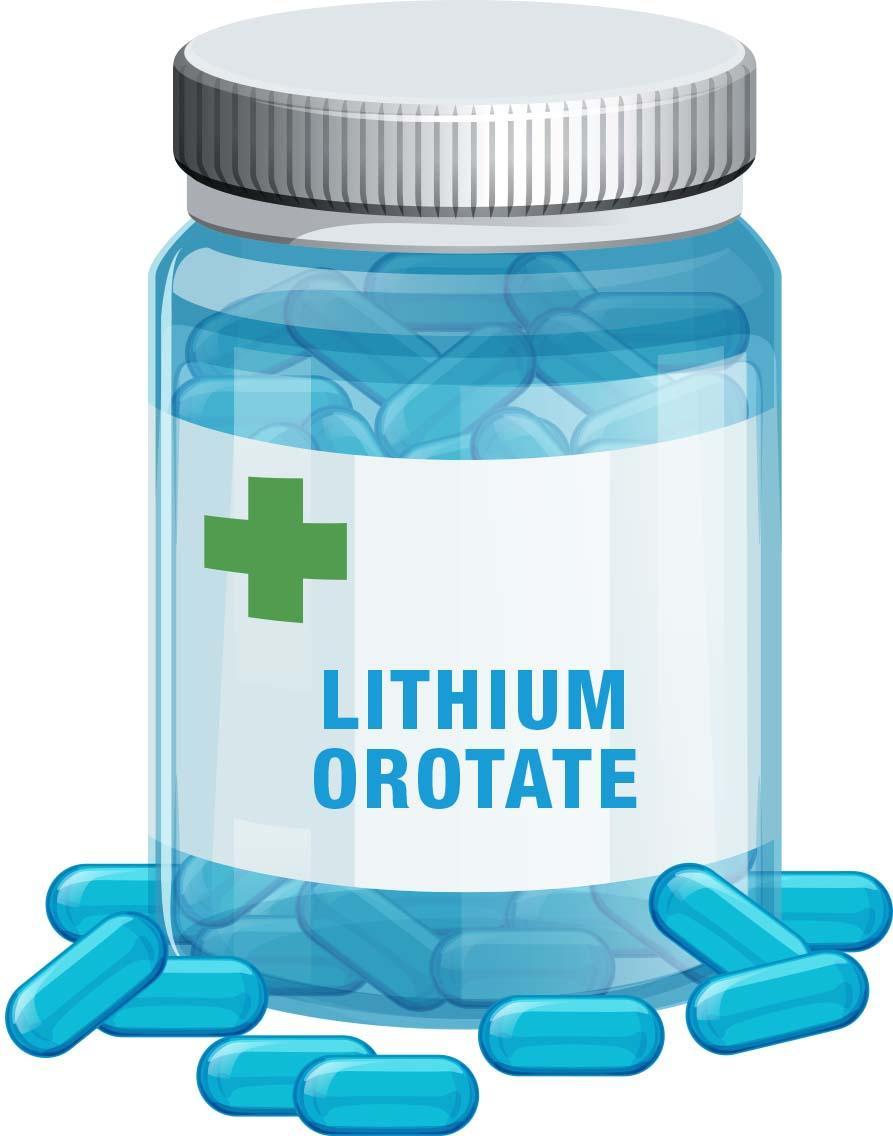
Will lithium supplements be used to fight Alzheimer's one day?
A 2025 study suggests that very low levels of lithium in the brain might be linked to Alzheimer's disease. In mice, certain lithium supplements seemed to protect memory and the brain. But scientists don't yet know if lithium pills are safe or helpful for people.

Cervical dystonia: A challenging neck condition
Cervical dystonia is a movement disorder that causes involuntary, sustained muscle contractions that make the head wobble or rest in abnormal positions. Symptoms can be disruptive, making it hard for people with the condition to drive, dress, or reach for objects.

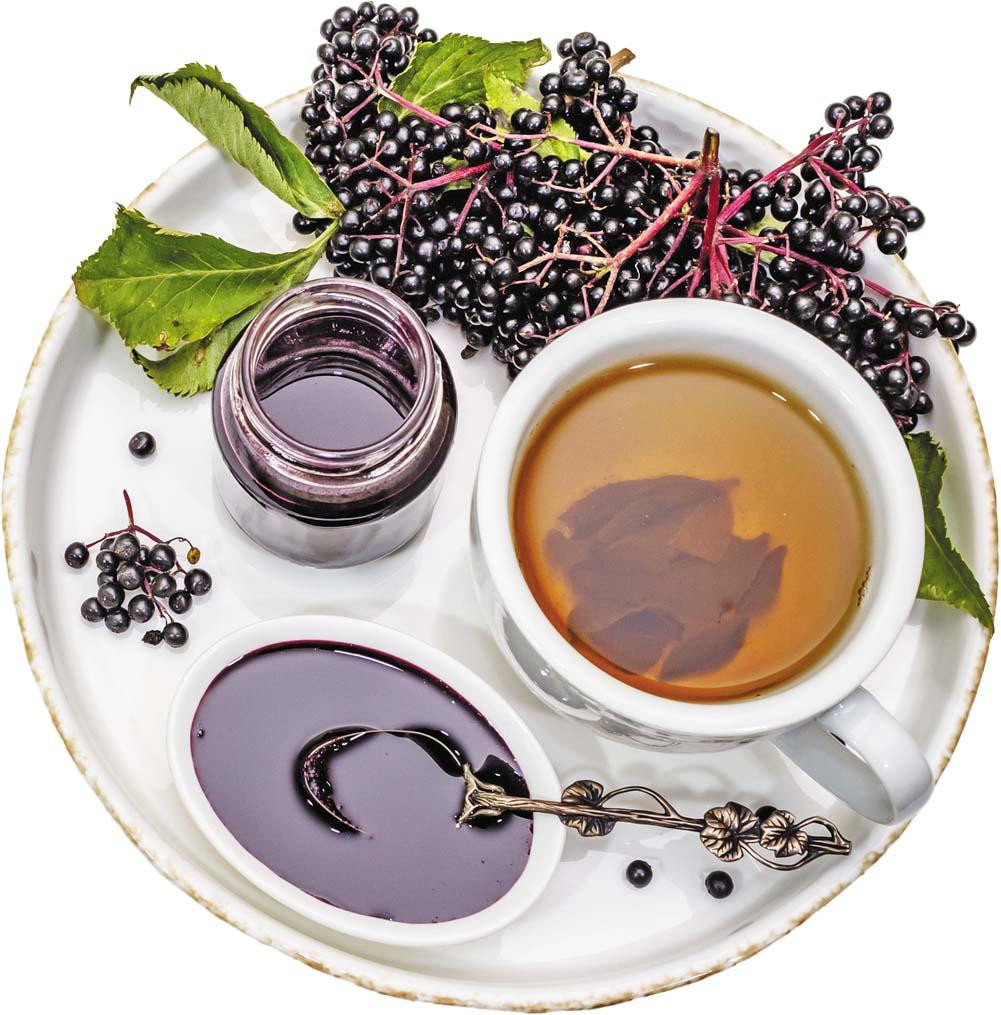
The health benefits of elderberry
Elderberry syrup or tea may help reduce the duration and severity of cold and flu symptoms, but the evidence for these benefits is uncertain. Claims that elderberry products can prevent viral infections or boost immunity are unproven.

How to get rid of a sinus headache
A sinus headache usually stems from irritated, congested sinuses that create pressure and pain around the eyes, nose, or forehead. Relief often comes from easing inflammation and congestion with a mix of home measures and over-the-counter treatments.
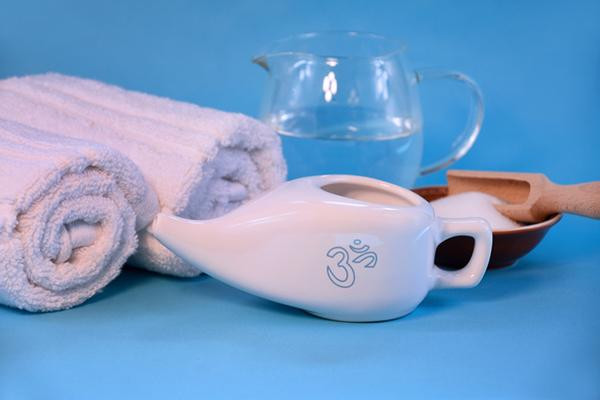
Can nasal irrigation help with winter colds and congestion?
Daily nasal irrigation (nasal rinses) may reduce symptom severity and the duration of a cold. It can also relieve the congestion caused by sinus infections and allergies. By means of a squeeze bottle, neti pot, or battery-powered system, saline is inserted into one nostril and flows out the other.

New thinking about plaque in arteries that feed the brain
Carotid artery stenosis, which happens when fatty plaque accumulates in neck arteries that supply the brain, leaves people vulnerable to a stroke. Intensive drug therapy may forestall the need for invasive procedures to treat this problem.

How to spot Parkinson's disease symptoms
Parkinson’s disease symptoms tend to develop gradually and can be mistaken for normal aging. Early movement-related signs include tremor in one hand, slower movements, mild balance and gait changes, and muscle stiffness. Other clues include loss of smell, sleep changes, and constipation.

Speaking multiple languages may promote healthy aging
A 2025 study suggested that living in areas where residents commonly speak multiple languages may promote healthy aging.
CoQ10: Should you take this popular supplement if you're on a statin?
Microplastics: A hidden health threat?
Oat vs. dairy milk: Nutrition, benefits, and downsides
What is tempeh? Benefits, nutrition, and how to use it
Healing after food poisoning
Children of centenarians may stay healthier and live longer too, study finds
Light exposure at night may raise risk for heart disease
A lumbar belt may help ease low back pain
Whole grains may improve several heart risk factors at once
Signs of pneumonia: Sometimes vague and unexpected
Free Healthbeat Signup
Get the latest in health news delivered to your inbox!
Sign Up
