

CoQ10: Should you take this popular supplement if you're on a statin?

Microplastics: A hidden health threat?

Oat vs. dairy milk: Nutrition, benefits, and downsides

What is tempeh? Benefits, nutrition, and how to use it

Healing after food poisoning

Children of centenarians may stay healthier and live longer too, study finds

Light exposure at night may raise risk for heart disease

A lumbar belt may help ease low back pain

Whole grains may improve several heart risk factors at once

Signs of pneumonia: Sometimes vague and unexpected
Stroke Archive
Articles
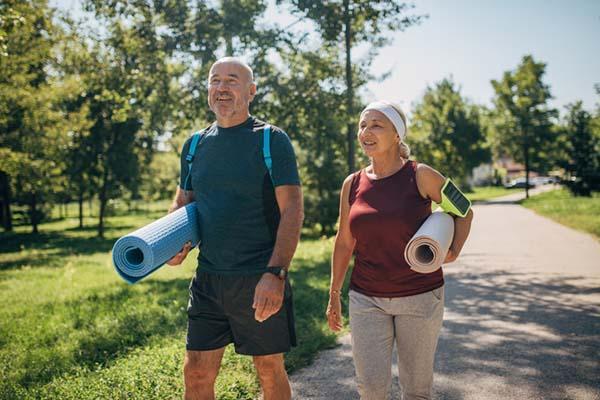
Even a little exercise linked with lower stroke risk in people with afib
Physical activity, even as little as 15 minutes a day of moderate-intensity exercise, is linked with a lower risk of stroke and death in people with atrial fibrillation.
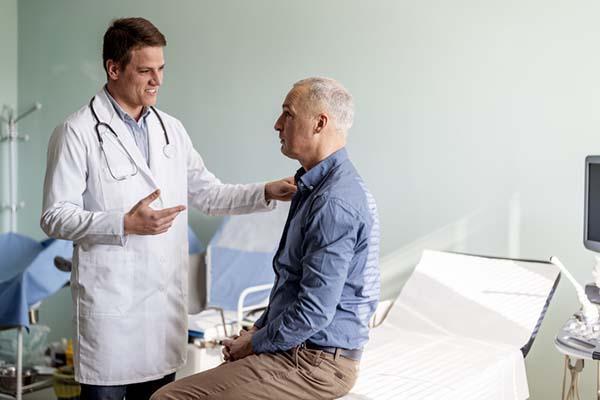
Testosterone therapy without evidence of deficiency may boost heart risk
Men without evidence of low testosterone levels (hypogonadism) who use testosterone appear to face a higher risk of serious cardiovascular problems and death from all causes than men who use testosterone replacement therapy for documented hypogonadism, according to a 2026 study.

What can help ease orthostatic tremor?
When clonazepam doesn’t ease the unsteadiness of orthostatic tremor, other medicines may offer options to discuss with your doctor.

Antiviral medications for winter bugs
Several factors increase the risk for complications from COVID-19 or influenza and should prompt someone to request an antiviral medication as soon as possible, even if they have been vaccinated or have had the infections before. The risk factors are age (being 65 or older), an impaired immune system, and underlying conditions (especially heart or lung disease). Pregnant women also are at increased risk for severe influenza and COVID, and should consider taking an antiviral.

Are circles of light a common migraine symptom?
Transparent circles or other visual changes can appear before migraine pain. Find out what these symptoms may mean and what to discuss with your doctor.
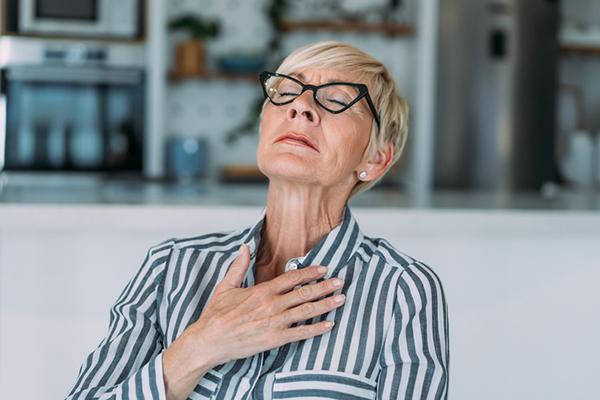
Atrial fibrillation symptoms: Why they're easy to miss
Symptoms of atrial fibrillation include a fluttering, pounding sensation in the chest and a lightheaded, dizzy, or breathless feeling. But about a quarter of people with this disorder don’t notice any symptoms.

Fast-walking "super-movers" may have sharper brains as they age
A 2026 study found that older “super-movers”—adults 80 and older who walk significantly faster than their peers—were substantially less likely than slower walkers to develop cognitive impairment and had larger memory-related brain regions, suggesting that brisk walking speed may signal, or even support, healthier brain aging.
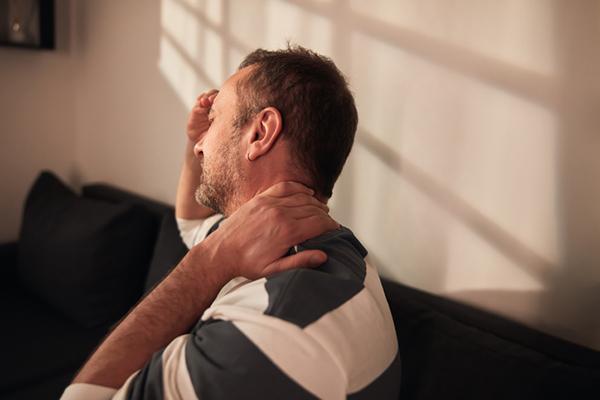
Can a neck artery tear after head or neck trauma lead to a stroke?
Head or neck trauma can sometimes damage key arteries supplying the brain. Find out how this rare injury might trigger a stroke in younger adults.

Digital overload: Coping with the stress of screen time and other digital demands as we get older
Many older adults feel they can’t keep up with the deluge of apps, texts, emails, patient portals, social media, and video calls that are now part of everyday life. Age-related brain changes can make digital overload more challenging, and too much screen time can affect physical and mental health.

Treating high blood pressure may help lower risk of cognitive decline
People who aggressively lower their high blood pressure not only help their heart health, but also may protect their brains from cognitive decline in the process, according to a 2025 study.
CoQ10: Should you take this popular supplement if you're on a statin?
Microplastics: A hidden health threat?
Oat vs. dairy milk: Nutrition, benefits, and downsides
What is tempeh? Benefits, nutrition, and how to use it
Healing after food poisoning
Children of centenarians may stay healthier and live longer too, study finds
Light exposure at night may raise risk for heart disease
A lumbar belt may help ease low back pain
Whole grains may improve several heart risk factors at once
Signs of pneumonia: Sometimes vague and unexpected
Free Healthbeat Signup
Get the latest in health news delivered to your inbox!
Sign Up
