

CoQ10: Should you take this popular supplement if you're on a statin?

Microplastics: A hidden health threat?

Oat vs. dairy milk: Nutrition, benefits, and downsides

What is tempeh? Benefits, nutrition, and how to use it

Healing after food poisoning

Children of centenarians may stay healthier and live longer too, study finds

Light exposure at night may raise risk for heart disease

A lumbar belt may help ease low back pain

Whole grains may improve several heart risk factors at once

Signs of pneumonia: Sometimes vague and unexpected
Stroke Archive
Articles

Prompt treatment for head injury may lower your risk of dementia
A 2025 study found that people ages 50 to 90 who received treatment within one week after a moderate or severe traumatic brain injury had a 41% lower risk of developing Alzheimer's disease over the following three years, suggesting that early treatment may be important.

Ask the Doc: What can you do to improve your memory?
Do you find yourself misplacing your keys more often? Losing your glasses on a daily basis? Forgetting dentist appointments? In our short video, Dr. Mallika Marshall describes common-sense strategies for improving your memory.
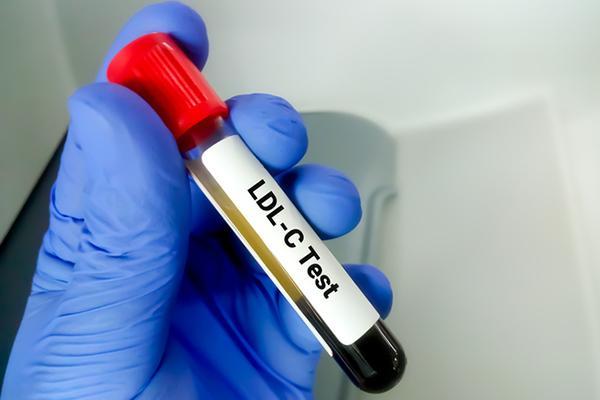
Stroke survivors may benefit from very low LDL levels
For stroke survivors, reaching a very low LDL (bad) cholesterol level may reduce their risk of future strokes and other cardiovascular problems, according to a 2025 study.
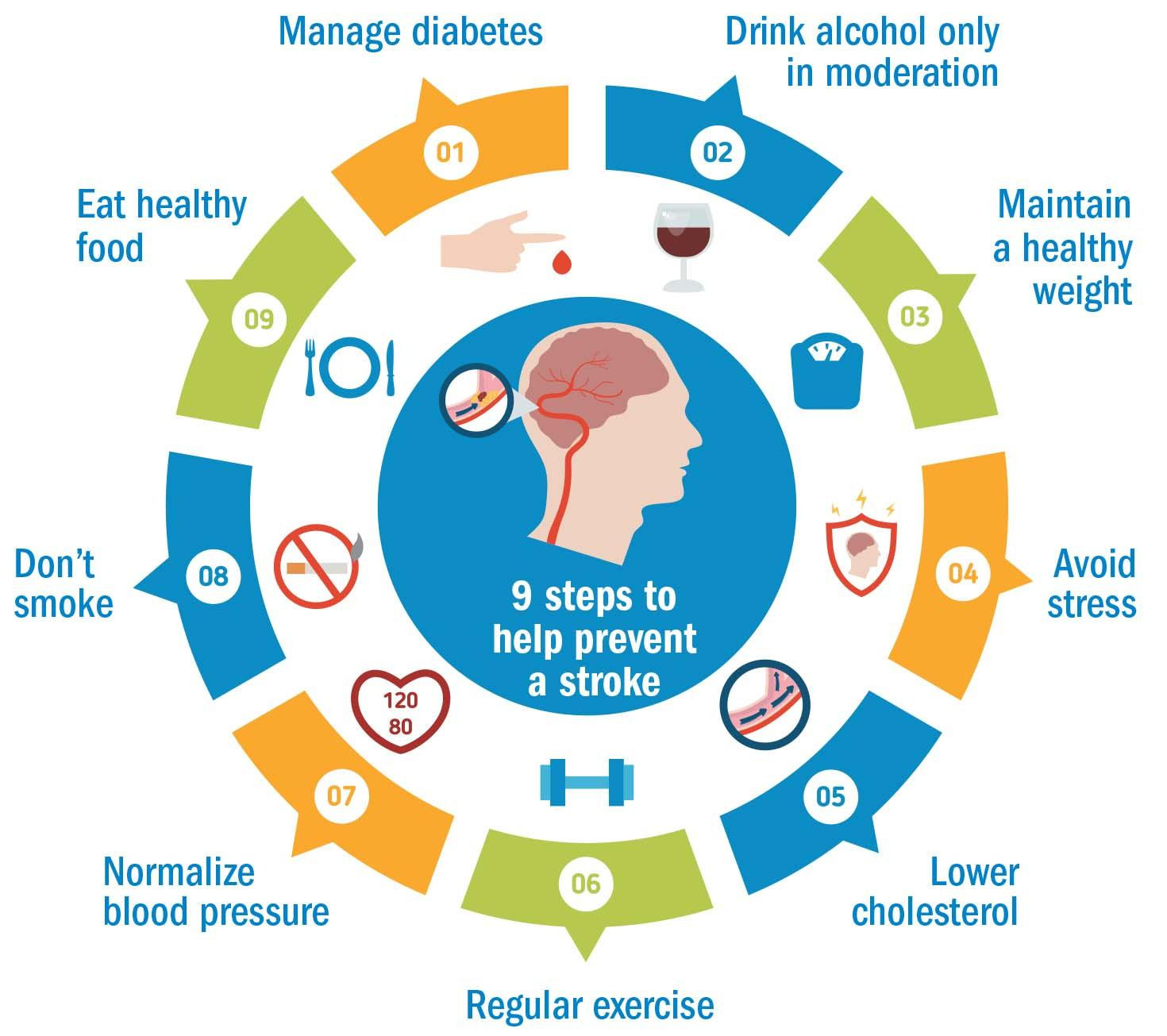
Reducing your stroke risk after a ministroke
A transient ischemic attack (TIA), or ministroke, is a serious warning sign for future stroke, especially in the first 48 hours. Medications plus lifestyle changes-healthy eating, regular exercise, and blood pressure control-can significantly lower that risk.

Boost your cognitive fitness in the new year
The new year is a good time to focus on cognitive fitness. Exercise, healthy eating, mental challenges, good sleep, controlling stress, and social engagement support neuroplasticity and help keep thinking and memory sharp.

Quitting smoking in middle age can reduce dementia risk
A 2025 study suggests that smokers who quit in middle age may, within a decade, reduce their risk of developing dementia to that of people who never smoked.



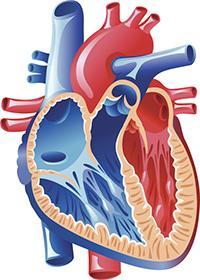
What is a bubble study?
Performed during an echocardiogram, a bubble study involves injecting a small amount of fluid filled with tiny bubbles into an arm vein. It can reveal the path of blood flow through the heart and provide clues about the cause of an unexpected stroke.
CoQ10: Should you take this popular supplement if you're on a statin?
Microplastics: A hidden health threat?
Oat vs. dairy milk: Nutrition, benefits, and downsides
What is tempeh? Benefits, nutrition, and how to use it
Healing after food poisoning
Children of centenarians may stay healthier and live longer too, study finds
Light exposure at night may raise risk for heart disease
A lumbar belt may help ease low back pain
Whole grains may improve several heart risk factors at once
Signs of pneumonia: Sometimes vague and unexpected
Free Healthbeat Signup
Get the latest in health news delivered to your inbox!
Sign Up
