

CoQ10: Should you take this popular supplement if you're on a statin?

Microplastics: A hidden health threat?

Oat vs. dairy milk: Nutrition, benefits, and downsides

What is tempeh? Benefits, nutrition, and how to use it

Healing after food poisoning

Children of centenarians may stay healthier and live longer too, study finds

Light exposure at night may raise risk for heart disease

A lumbar belt may help ease low back pain

Whole grains may improve several heart risk factors at once

Signs of pneumonia: Sometimes vague and unexpected
Stroke Archive
Articles

Chronic insomnia may raise the risk of cognitive decline
People who suffer from chronic insomnia are more likely to develop cognitive problems and score lower on thinking and memory tests compared with individuals without chronic insomnia, a 2025 study suggests.
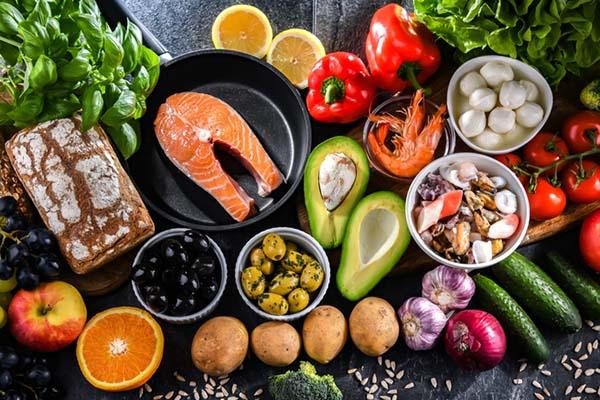
Mediterranean diet may lower risk of Alzheimer's disease in people with high-risk genes
A 2025 study of over 5,600 women and men followed for over 30 years found that following a Mediterranean diet may reduce the risk of Alzheimer's disease and improve cognitive function. The effect is strongest in people who carry two copies of the Alzheimer's risk gene APOE4.
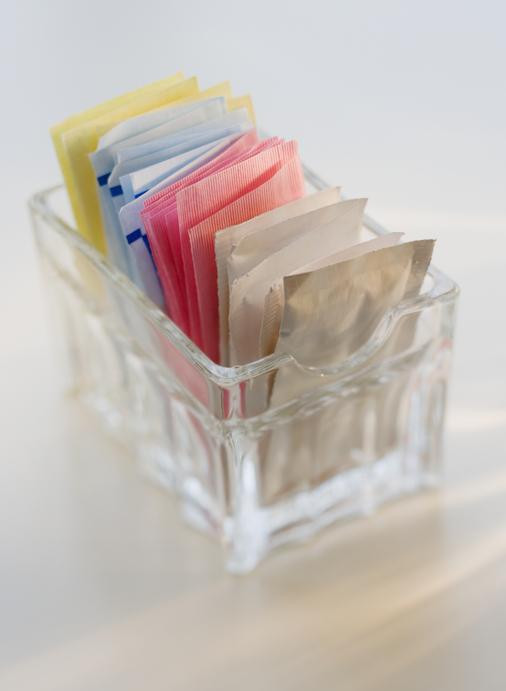
Artificial sweeteners may speed declines in memory and thinking
A 2025 study suggested that consuming larger amounts of artificial sweeteners such as aspartame and xylitol may be linked to faster declines in memory and thinking skills.

What are eye flashes and floaters and what can I do about them?
Flashes and floaters are eye problems that become common with age. Over time, they may become less noticeable, but people should seek medical care if symptoms worsen, as this could be a sign of a retinal detachment.
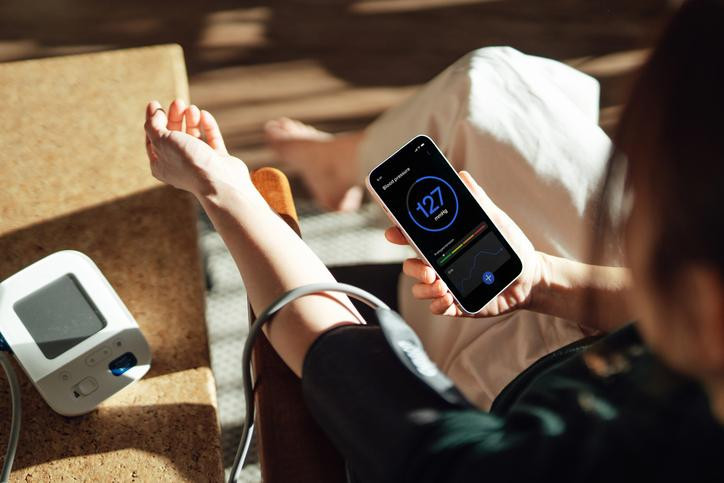
For people with high blood pressure, controlling risk factors could mean a longer life
People with high blood pressure typically die earlier than people without the condition. A 2025 study suggests that they can significantly lower-or even eliminate-that difference by controlling several key risk factors.

Peace of mind, or panic?
The vast majority of older adults would want to know if they're in the early stages of Alzheimer's disease and would want a blood test to learn for certain, according to a 2025 poll. Advances in testing and treatment may fuel this desire for knowledge. There are pros and cons to knowing this information. People with an early Alzheimer's diagnosis can plan ahead, seek support, and may feel motivated to maintain their health. But the diagnosis may jeopardize their job or insurance coverage, as well as trigger anxiety or depression.

Exercising 150 minutes per week could help reverse prediabetes
People with prediabetes may be able to reduce their risk of developing type 2 diabetes with 150 minutes of moderate-intensity exercise per week, says a 2025 study. Exercise can help lower blood sugar and excess weight, the main risk factors for progression of prediabetes to type 2 diabetes.
The heart attack and stroke emergency playbook
Everyone should learn what to do if a heart attack or stroke occurs, beyond calling 911. It helps to become familiar with heart attack and stroke symptoms, so they can be recognized. It's also important to speak with one's own doctor in advance, to find out if he or she advises taking an aspirin in one of those emergencies. Other precautions include keeping emergency contact and medication lists updated and handy, and talking about emergency plans with family and friends, especially one's health care proxy.
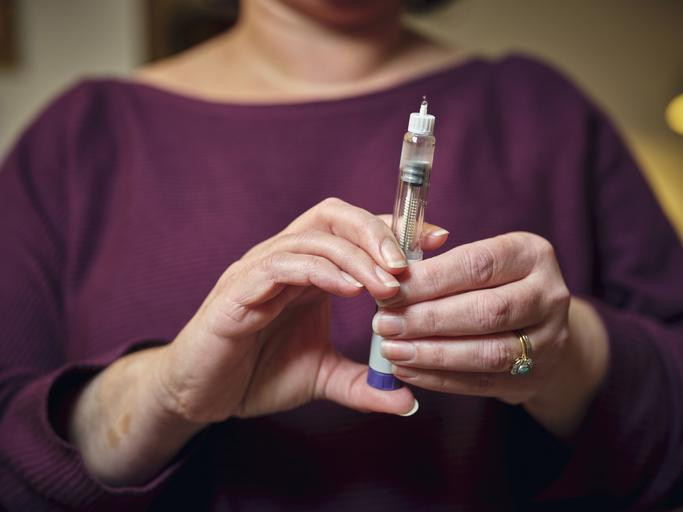
Do GLP-1 drugs reduce inflammation?
In a 2025 study of nearly a million people with diabetes, those who took GLP-1 drugs had a reduction of 10% to 20% in heart failure, cardiac arrest, lung failure and pneumonia, and dementia, compared with people who took other diabetes medications.
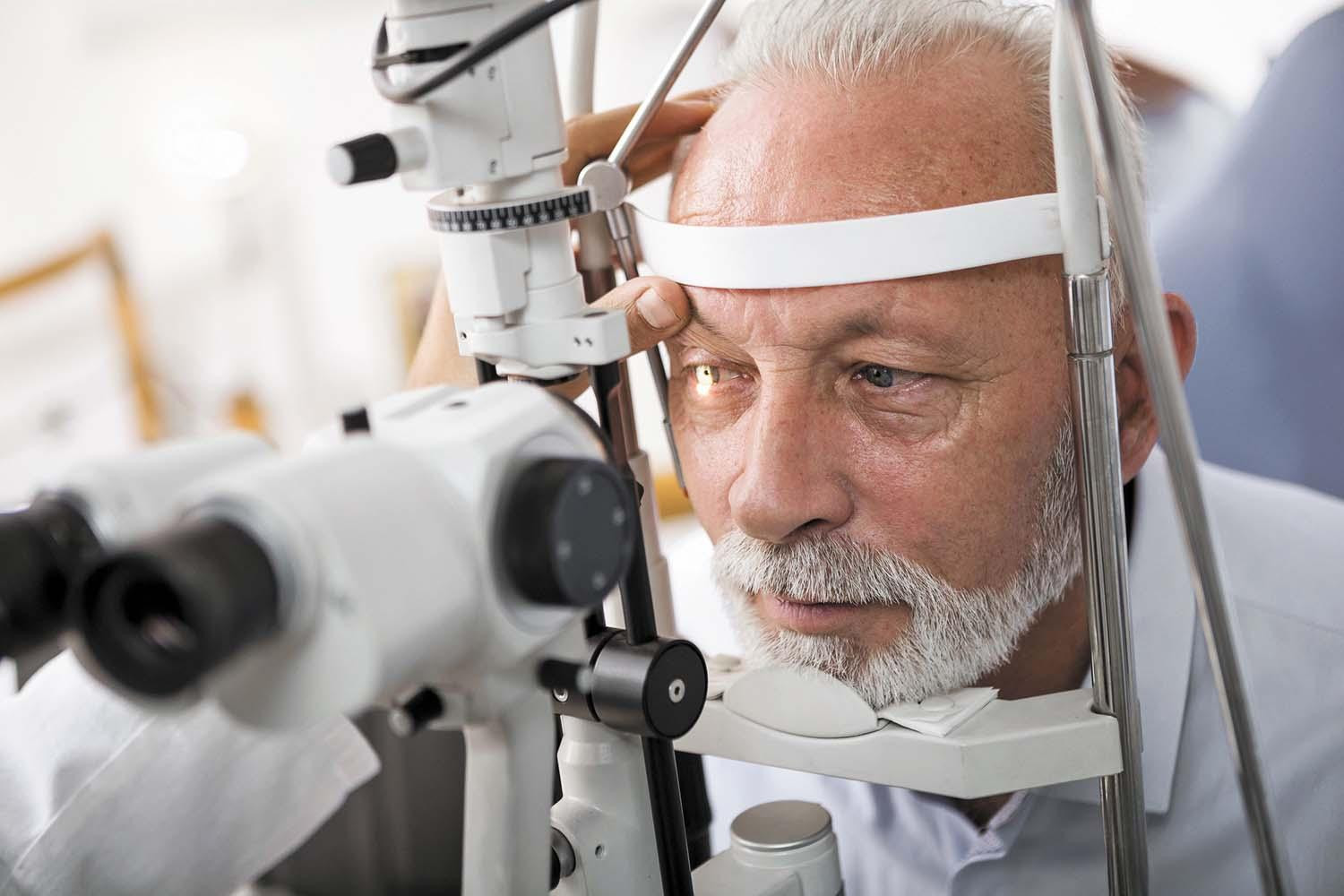
An emerging trend for cataract surgery
Same-day bilateral cataract surgery removes cataracts in both eyes in one surgical session, instead of two surgeries that are a few weeks apart. The approach has many benefits, such as convenience, but it has risks, too. Vision clarity might not be as good as it is when the procedures are done separately. Some doctors fear that vision loss (which is a low risk for any cataract surgery) could possibly occur in both eyes at the same time.
CoQ10: Should you take this popular supplement if you're on a statin?
Microplastics: A hidden health threat?
Oat vs. dairy milk: Nutrition, benefits, and downsides
What is tempeh? Benefits, nutrition, and how to use it
Healing after food poisoning
Children of centenarians may stay healthier and live longer too, study finds
Light exposure at night may raise risk for heart disease
A lumbar belt may help ease low back pain
Whole grains may improve several heart risk factors at once
Signs of pneumonia: Sometimes vague and unexpected
Free Healthbeat Signup
Get the latest in health news delivered to your inbox!
Sign Up
