

Naturally gluten-free foods

Harvard study: Healthier fats linked to longer life after prostate cancer diagnosis

Shingrix shingles vaccine linked with lower heart disease risks

Estrogen-only hormone therapy tied to lower dementia risk
Should you have a hysterectomy?

Stair climbing may significantly lower cardiovascular risks

Why do I sweat so much?

Walking pneumonia: The "mild" illness that can still pack a punch

What causes knee pain: How doctors make a diagnosis

Where you carry excess weight matters in predicting heart disease risk
Mental Health Archive
Articles
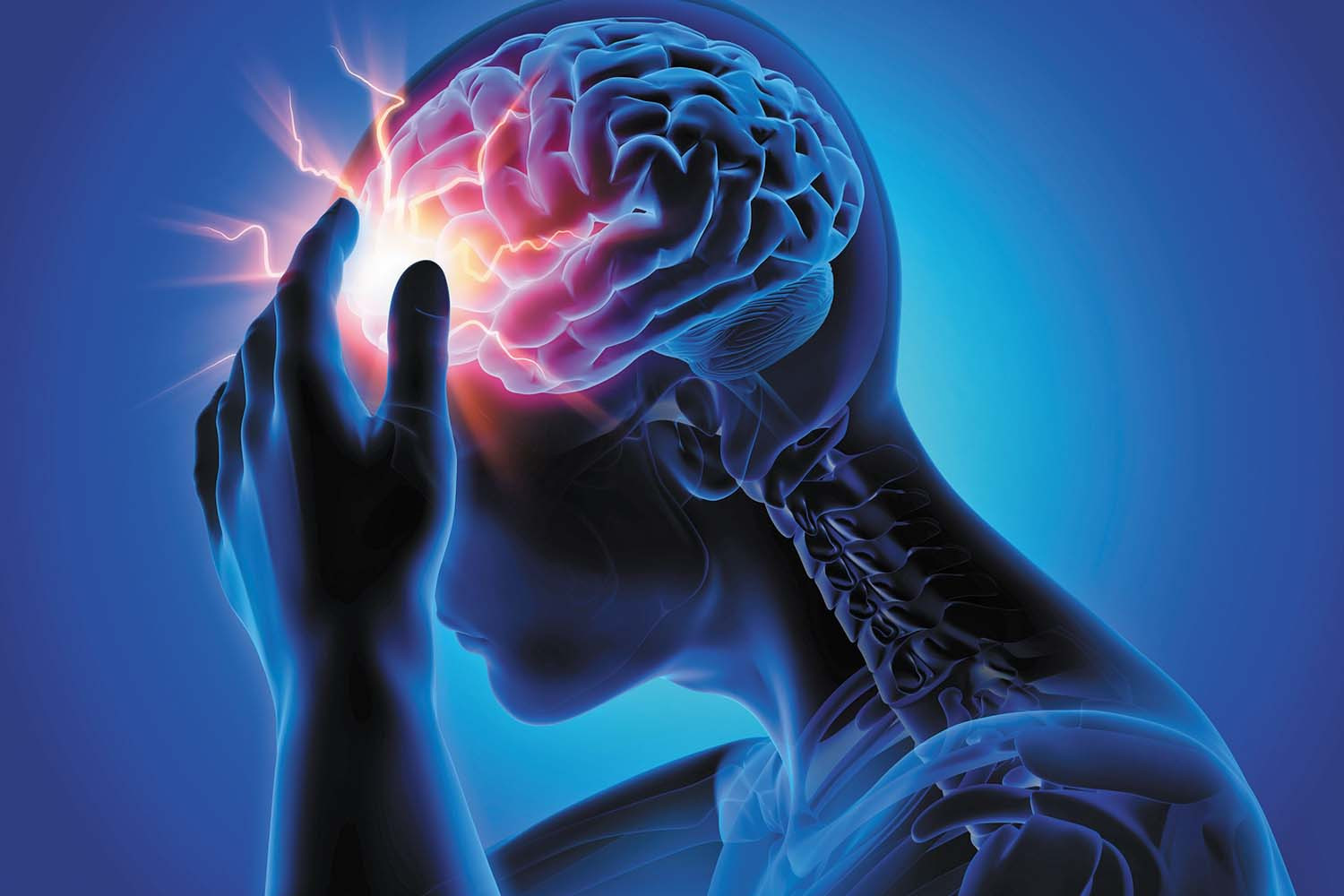
Top 7 reasons you have a headache
Headaches can have many triggers from allergies to stress, or even hunger. Understanding headache triggers can help you avoid one in the future. Here's a look at the most common triggers for each kind of headache.

Surprising causes of neck pain
Neck pain is often the result of strained neck muscles that become irritated from everyday activities. Examples include watching TV for hours at a time, sleeping without enough neck support, slouching, looking down at a smartphone for long periods, lifting heavy dumbbells, or getting stressed out. Ways to avoid such neck pain include using pillows to better support the neck on a couch or in bed, sitting up straighter, keeping electronic screens at eye level, lifting weights that aren't too heavy, and practicing stress management.

Bonds that transcend age
Intergenerational friendships typically involve an older adult and someone who's 15, 20, or more years younger. Studies suggest people can benefit physically and psychologically from such friendships. Friends of diverse ages can expose people to different experiences, attitudes, and approaches. To create intergenerational friendships, people can use a shared workplace or activity as a springboard for deeper connection. They should show genuine interest in the other person's life and experiences.

Talk therapy for depression may help lower heart disease risk
For people with depression, successful treatment with talk therapy may lower the risk for heart disease, perhaps by helping them adopt healthier habits, according to a 2023 study.

Denial: How it hurts, how it helps, and how to cope
Denial is a natural response at times when you're unable or unwilling to face the facts. As a defense mechanism, it can be helpful or harmful. Here's how to spot it in yourself and others, and how to move from denial toward meaningful change.

Don't get upset about indigestion
It's common for indigestion to become more frequent and severe with age, a condition called chronic dyspepsia or recurring indigestion. While most flare-ups can be treated with over-the-counter remedies, people can stop recurring problems by adopting lifestyle measures, such as reducing stress, avoiding excess alcohol, quitting smoking, losing extra weight, and eating smaller meals.

Looking for a mellow form of exercise? Try tai chi
Tai chi is a slow, flowing form of exercise that's sometimes described as "meditation in motion." It can be a good gateway exercise for people who cannot or will not engage in more conventional types of exercise. Tai chi may help lower cholesterol levels, reduce blood pressure, and dampen inflammation, all of which are linked to better heart health. Tai chi may also be a promising addition to cardiac rehabilitation.


Creating communities that help support neurodiverse children
For neurodiverse children and their families, the landscape of friendships and social spaces can feel unwelcoming. Being more inclusive is a positive step, yet it takes more to create communities where everyone feels they belong.
Naturally gluten-free foods
Harvard study: Healthier fats linked to longer life after prostate cancer diagnosis
Shingrix shingles vaccine linked with lower heart disease risks
Estrogen-only hormone therapy tied to lower dementia risk
Should you have a hysterectomy?
Stair climbing may significantly lower cardiovascular risks
Why do I sweat so much?
Walking pneumonia: The "mild" illness that can still pack a punch
What causes knee pain: How doctors make a diagnosis
Where you carry excess weight matters in predicting heart disease risk
Free Healthbeat Signup
Get the latest in health news delivered to your inbox!
Sign Up
