

Naturally gluten-free foods

Harvard study: Healthier fats linked to longer life after prostate cancer diagnosis

Shingrix shingles vaccine linked with lower heart disease risks

Estrogen-only hormone therapy tied to lower dementia risk
Should you have a hysterectomy?

Stair climbing may significantly lower cardiovascular risks

Why do I sweat so much?

Walking pneumonia: The "mild" illness that can still pack a punch

What causes knee pain: How doctors make a diagnosis

Where you carry excess weight matters in predicting heart disease risk
Mental Health Archive
Articles

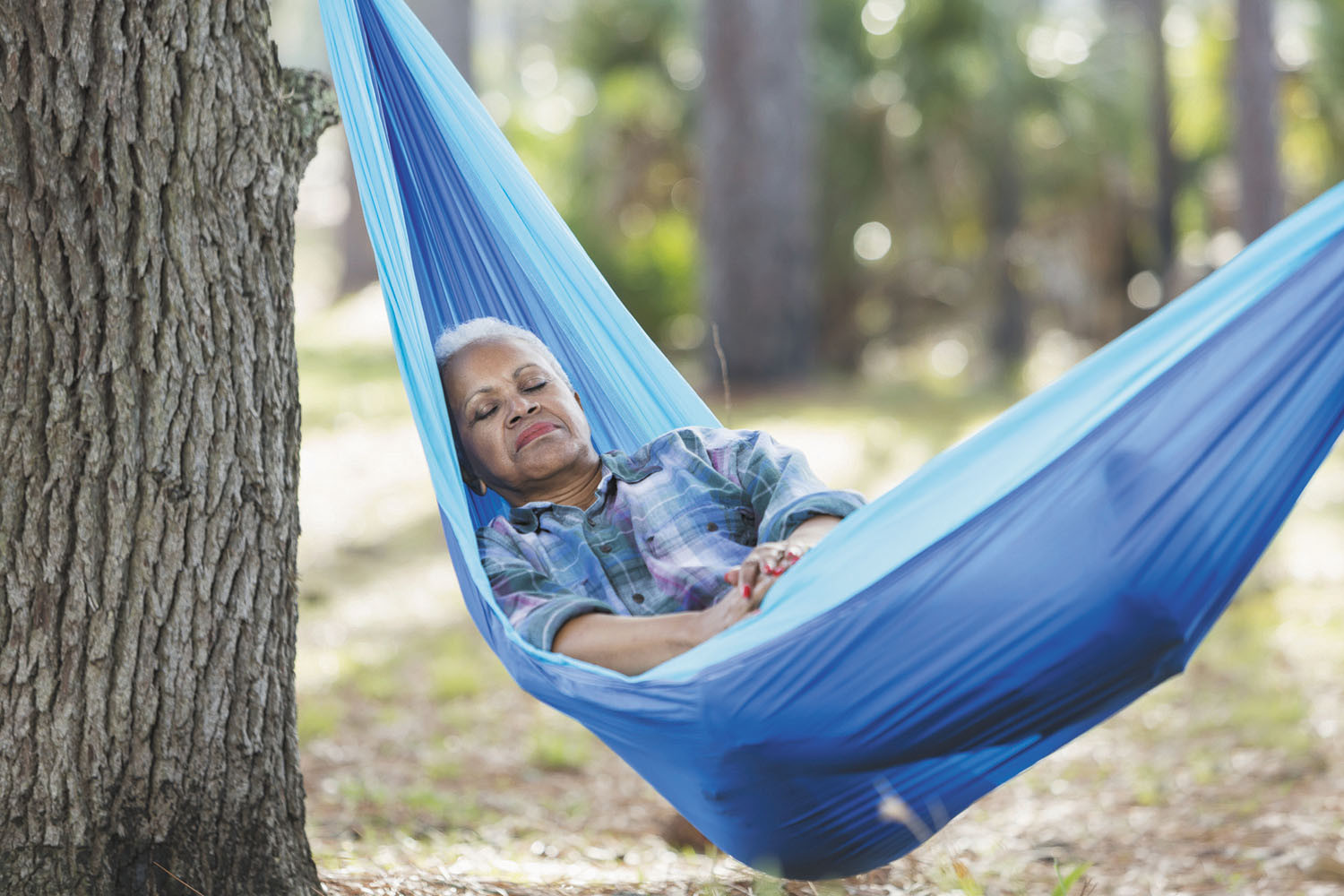
Is your daily nap doing more harm than good?
Naps can be healthy for adults who need to catch up on sleep or work odd hours, but they can also make it more difficult to sleep at night and be a sign of a sleep disorder. Naps should be short and limited to the early afternoon to prevent them from interfering with nighttime sleep. People who have the urge to nap daily should consider whether they need to improve their nighttime sleep habits.

Can you feel younger than your age?
Research has found that people with more positive attitudes about growing old tend to live longer than those with negative thoughts about aging. They also have a lower risk for diabetes, stroke, cancer, and heart disease and better cognitive functioning. People can maintain a healthy mindset about aging by adopting certain lifestyle habits, such as reducing anxiety, finding purpose in life, seeking challenges, socializing more, and rejecting negative stereotypes about aging.

3 group housing trends for the 60 and older set
Three group housing trends can help ward off loneliness and isolation in older age. One trend is specialized communities, which are private mini-neighborhoods that promote shared activities, involvement with neighbors, and sometimes shared goals (such as providing stable lives for foster children). The communities are run by the people who live there or by nonprofit organizations. Another trend is home sharing—taking on a boarder or sharing a home with friends. A third trend is residential care homes, which are small assisted living facilities in private homes licensed by the state.

Steps to spot the signs of hoarding
Hoarding disorder is a mental health condition characterized by an inability to discard certain belongings to the point of unhealthy accumulation. While the types of hoarded items vary and might be useless to others—old clothes, boxes, papers, junk mail, or even spoiled food or garbage—the person hoarding the items is convinced they'll be needed one day. The mere idea of parting with them is extremely distressing. In time, stuff fills the home in mounds of disorganized clutter that jams rooms and hallways and threatens safety. Beyond clutter, signs of hoarding disorder include impaired behavior, such as social isolation, sleep loss, or indecision.

Chronic stomach pain in children: What's the most common cause?
Mind and body are tightly connected. If a child experiences stomach pain lasting two months or more, it may be functional abdominal pain caused by stress, depression, or anxiety. While common, this is challenging to diagnose and treat.

Validation: Defusing intense emotions
Validation is a valuable communication technique that can help people feel heard and understood. When used correctly it helps us understand another person's feelings and establishes trust, particularly in situations with heightened emotions.

Seeing red? 4 steps to try before responding
Simple coping strategies like counting to 10 are often useful to help you avoid an outburst. But as multiple challenges in recent years have amped up stress levels, those strategies may not be enough. So what steps can you take to avoid reaching your boiling point?

Calm your anxious heart
Anxiety disorders promote the stress response, which influences the same brain systems that affect cardiovascular functions.

The FDA relaxes restrictions on blood donation
While the FDA rules for blood donation were revised twice in the last decade, one group — men who have sex with men — continued to be turned away from donating. Now new, evidence-based FDA rules will focus on individual risk rather than groupwide restrictions.
Naturally gluten-free foods
Harvard study: Healthier fats linked to longer life after prostate cancer diagnosis
Shingrix shingles vaccine linked with lower heart disease risks
Estrogen-only hormone therapy tied to lower dementia risk
Should you have a hysterectomy?
Stair climbing may significantly lower cardiovascular risks
Why do I sweat so much?
Walking pneumonia: The "mild" illness that can still pack a punch
What causes knee pain: How doctors make a diagnosis
Where you carry excess weight matters in predicting heart disease risk
Free Healthbeat Signup
Get the latest in health news delivered to your inbox!
Sign Up
