

Naturally gluten-free foods

Harvard study: Healthier fats linked to longer life after prostate cancer diagnosis

Shingrix shingles vaccine linked with lower heart disease risks

Estrogen-only hormone therapy tied to lower dementia risk

Should you have a hysterectomy?

Stair climbing may significantly lower cardiovascular risks

Why do I sweat so much?

Walking pneumonia: The "mild" illness that can still pack a punch

What causes knee pain: How doctors make a diagnosis

Where you carry excess weight matters in predicting heart disease risk
Mental Health Archive
Articles

Beyond appetite suppression
Semaglutide (Ozempic, Wegovy), which mimics a natural hormone called GLP-1, has become a popular obesity drug because it promotes dramatic weight loss. New evidence suggests this drug and others like it may also curb compulsions for things other than food. The drugs may also dampen cravings for alcohol, smoking, gambling, and excessive shopping by hampering activation of the brain's reward pathways. If further research confirms preliminary findings, the demand for GLP-1 drugs is likely to increase.

Blasting through mental health misperceptions
An estimated 58 million American adults live with a mental illness such as anxiety, depression, or bipolar disorder. More women than men receive treatment such as medication or counseling. But despite its pervasiveness, mental illness remains stigmatized. Scientific advances are helping dismantle damaging public attitudes about mental illness. People with mental health challenges can help combat stigma by embracing treatment, not taking other people's offhand comments personally, and sharing their personal stories.

Loneliness vs. isolation: Which one is worse?
Both loneliness and isolation were associated with poor health outcomes in a 2023 study. However, social isolation was a stronger predictor of physical decline and early death, while loneliness was more predictive of mental health issues such as depression.

What to do when driving skills decline
Many people experience a decline in their driving skills as they age. While some choose to stop driving, others resist. Whether it's you or a loved one, planning ahead can help you tackle fixable issues, make transitions easier, and avoid harming yourself or someone else.

The book on erotica
Older couples who have fallen into a sexual rut can try to spice things up—and perhaps strengthen your relationship in the process—by reading erotica that caters specifically to older adults. Reading and listening to erotic stories as a couple lets both parties explore fantasies in a safe environment and create an exciting atmosphere by encouraging couples to venture outside their comfort zone. Besides reading aloud to each other, couples can read on their own and share the experience or listen to erotic audiobooks and podcasts together.
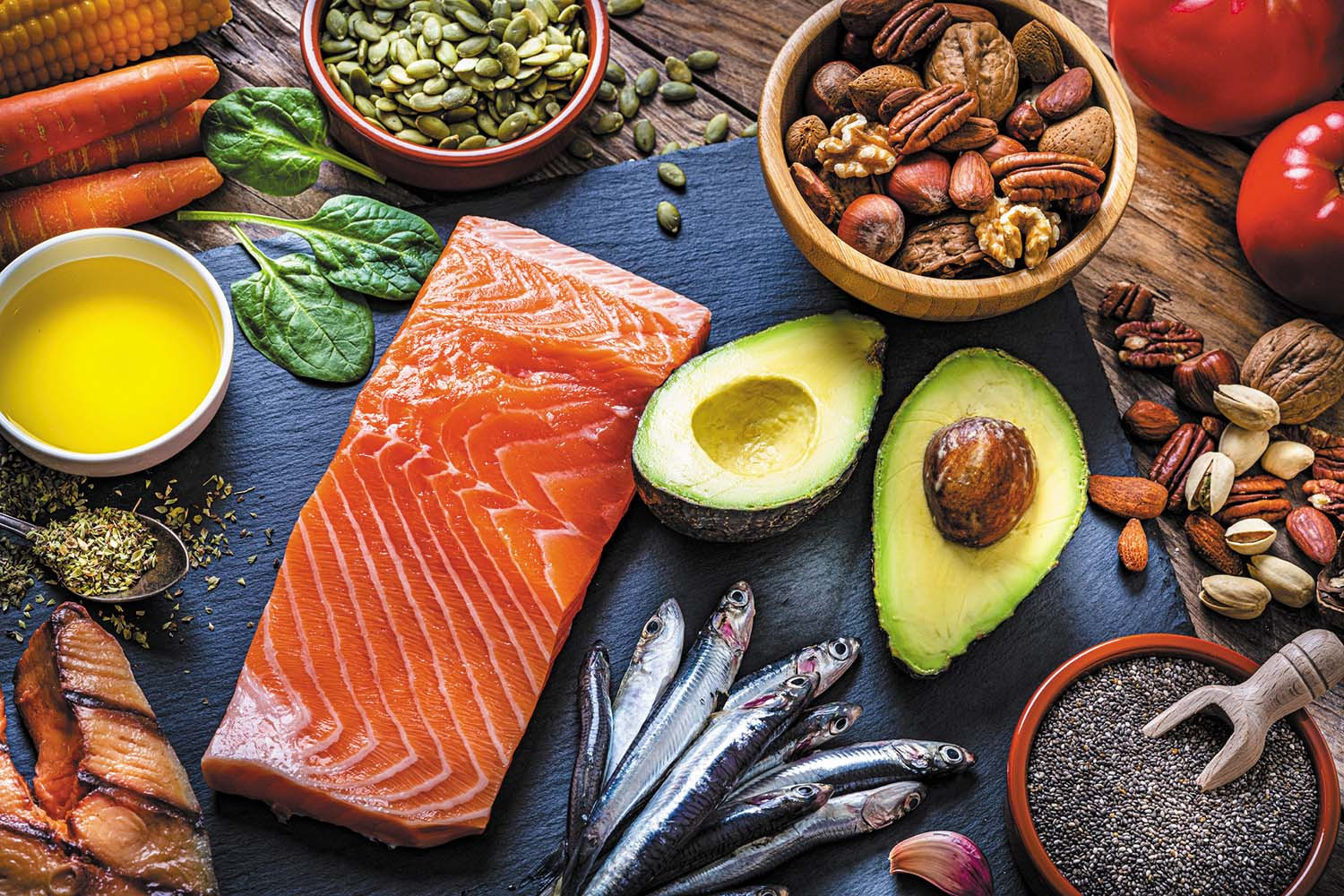
UK study confirms Mediterranean lifestyle benefits
A 2023 study of about 110,000 people in the United Kingdom suggested that those who most adhered to a Mediterranean lifestyle had a 28% lower risk of dying from cancer and a 29% lower risk of dying prematurely from any cause, compared with those who least adhered to the lifestyle.

10 ways to find purpose in life
Having a sense of purpose is linked to important health benefits, such as longevity and sharp thinking skills. There are many ways to cultivate a sense of purpose. Ideas include thinking about one's strengths or skills and how to apply them; becoming a mentor; volunteering time to a worthy cause; reading Viktor Frankl's book Man's Search for Meaning; writing about lived experiences and sharing the information with family or friends; and thinking of longtime dreams and ways to achieve elements of them.

"Unsticking" sticky thoughts
It's hard to get rid of sticky thoughts, which play repeatedly in the mind and cause distress. Strategies that can help include going for a walk, staying busy by scheduling activities, limiting worry time to one specific period of each day, and talking to family and friends. If sticky thoughts don't go away after a few weeks, it might be time to talk to a primary care doctor or a therapist. Treatment might involve cognitive behavioral therapy, which helps someone recognize sticky thoughts and redirect them in ways that are less negative and more manageable.

Get back your social life to boost thinking, memory, and health
Staying socially active is associated with cognitive benefits and may play a role in longevity, stress reduction, and controlling mood. If a person has been out of touch with friends for a long time, one way to restart contact is to send a brief message asking how they're doing or recalling a shared activity. If the person reciprocates, the next step might be to suggest a meeting, ask to get together, or schedule a catch-up phone call or video chat.

Talking to children about tragedies and scary headlines in the news
When news of the world is overwhelming and awful, our first instinct is usually to shelter our children and not say anything about it to them at all, a strategy that's usually not viable. Instead parents can give children the perspective and skills they need to navigate a sometimes scary world.
Naturally gluten-free foods
Harvard study: Healthier fats linked to longer life after prostate cancer diagnosis
Shingrix shingles vaccine linked with lower heart disease risks
Estrogen-only hormone therapy tied to lower dementia risk
Should you have a hysterectomy?
Stair climbing may significantly lower cardiovascular risks
Why do I sweat so much?
Walking pneumonia: The "mild" illness that can still pack a punch
What causes knee pain: How doctors make a diagnosis
Where you carry excess weight matters in predicting heart disease risk
Free Healthbeat Signup
Get the latest in health news delivered to your inbox!
Sign Up
