

Naturally gluten-free foods

Harvard study: Healthier fats linked to longer life after prostate cancer diagnosis

Shingrix shingles vaccine linked with lower heart disease risks
Estrogen-only hormone therapy tied to lower dementia risk
Should you have a hysterectomy?

Stair climbing may significantly lower cardiovascular risks

Why do I sweat so much?

Walking pneumonia: The "mild" illness that can still pack a punch

What causes knee pain: How doctors make a diagnosis
Where you carry excess weight matters in predicting heart disease risk
Mental Health Archive
Articles

Pain conditions are more common in women
Women are disproportionately affected by conditions that cause chronic pain, but they sometimes have difficulty getting a definitive diagnosis as to what is causing their pain and may be less likely to receive appropriate treatments even when they do.

Navigating middle school is tough: How parents can help
Middle school can be challenging for many students, with increased time demands, more homework, and social situations to navigate. What can parents do to support their kids and strengthen family bonds during this period in their lives?

Is online gambling harming you?
Online gambling is a popular and growing business, but for millions of Americans, what begins as occasional fun can lead to devastating problems. Trouble with gambling often builds gradually and severe gambling problems share risk factors with substance-related disorders.

A closer look at alcohol's effect on heart health
Excessive drinking can contribute to high blood pressure, obesity, and stroke, while moderate drinking (no more than one drink per day for women and two drinks or fewer per day for men) is linked to a lower risk of heart problems. One possible mechanism might be stress reduction. Brain scans of people who reported light to moderate drinking show less activity in the part of the brain that responds to stress, compared with the scans of people who abstained or drank very little. Stress not only raises blood pressure and heart rate but also triggers inflammation that causes plaque buildup, which contributes to heart attacks.

Hidden causes of weight gain
The reason for weight gain isn't always as obvious as inactivity or a poor diet. Weight gain can stem from many other causes. For example, it might reflect age-related physiological changes such as muscle loss, poor sleep, or changes in sex hormone levels; underlying conditions such as diabetes or sleep apnea; side effects from taking certain medications, such as antidepressants or beta blockers; or possibly the effects of eating late at night or the makeup of gut bacteria. Recent or excessive weight gain warrants a visit to a doctor to help pinpoint the issue.

For mellow movement that helps your heart, try tai chi
Tai chi is a gentle, adaptable practice that features flowing movements combined with breathing and cognitive focus. It may be especially helpful for people who are recovering from a heart attack or other medical problems or who have heart failure. Tai chi also can be a gateway to other types of physical activity because the practice may improve balance, reduce the risk of falls, and even help ease lower back pain—a common reason for avoiding exercise.

Testosterone therapy may be safe for men at risk for heart attack and stroke
A 2023 study suggests taking testosterone replacement therapy does not raise the risk for heart attacks or stroke among men with cardiovascular disease or a high risk for it, but it could increase the risk of atrial fibrillation, acute kidney injury, and pulmonary embolism.
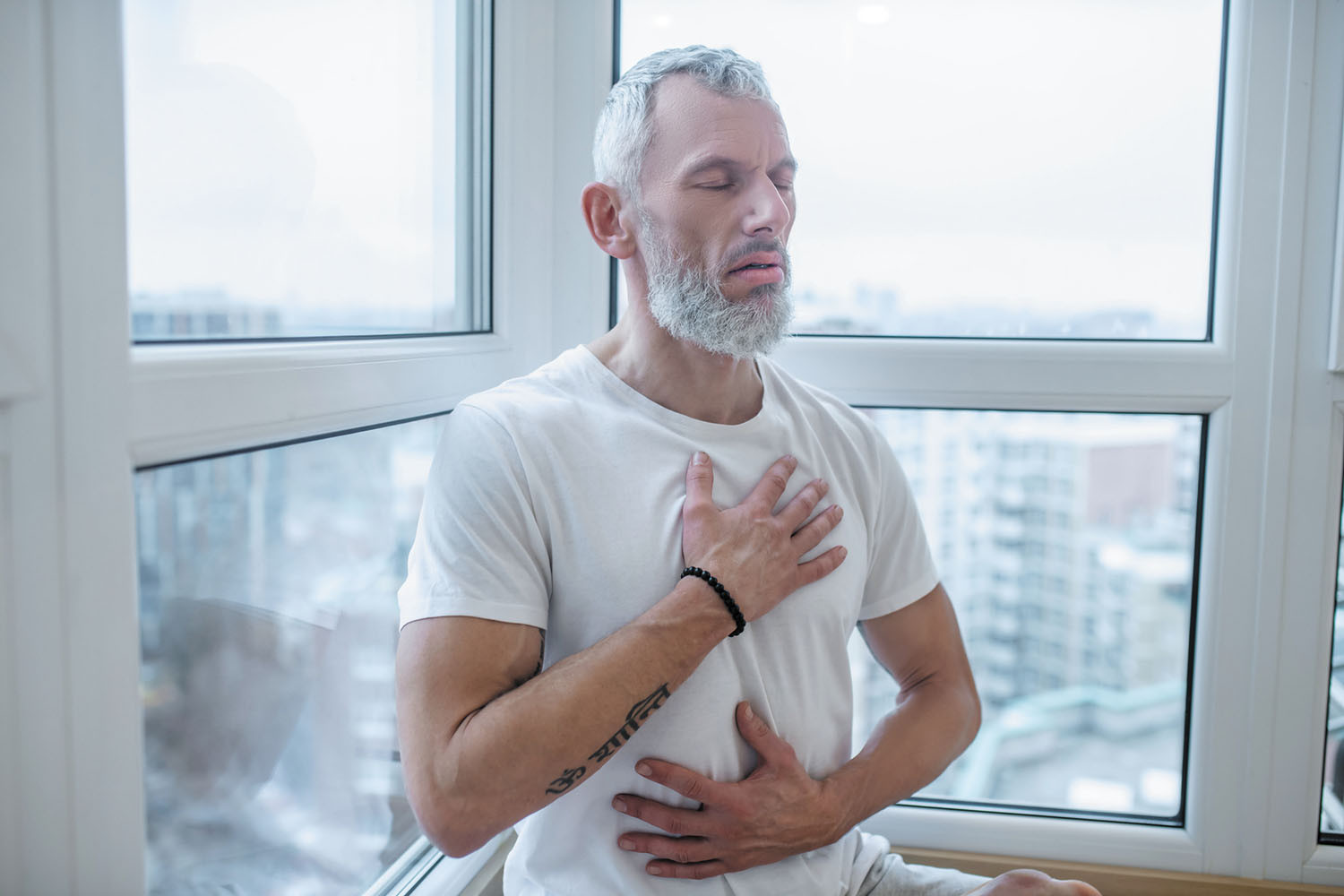
Try this: Take a tactical breather
Tactical breathing used by military and law enforcement personnel can help people manage anxiety and stay mentally sharp during stressful situations. It can also help calm a racing mind or soothe pain.

Lending a helping hand
People who devote time to helping others are often happier than those who don't. Serving others also helps brain health by increasing social connections, which can protect against loneliness and depression, and improving executive function skills like planning, attention, and remembering tasks. Common ways to help others include volunteering, mentoring, random acts of kindness, and seeing life from another person's perspective.

Grief can raise blood pressure
A 2023 study suggests that extreme grief after losing a loved one can raise people's systolic blood pressure, posing cardiovascular risks.
Naturally gluten-free foods
Harvard study: Healthier fats linked to longer life after prostate cancer diagnosis
Shingrix shingles vaccine linked with lower heart disease risks
Estrogen-only hormone therapy tied to lower dementia risk
Should you have a hysterectomy?
Stair climbing may significantly lower cardiovascular risks
Why do I sweat so much?
Walking pneumonia: The "mild" illness that can still pack a punch
What causes knee pain: How doctors make a diagnosis
Where you carry excess weight matters in predicting heart disease risk
Free Healthbeat Signup
Get the latest in health news delivered to your inbox!
Sign Up
