Can I wear contacts after age 50?
Ask our experts
Q. I’m interested in wearing contact lenses, but I hear it might be difficult now that I’m past 50. What are some of the potential drawbacks?
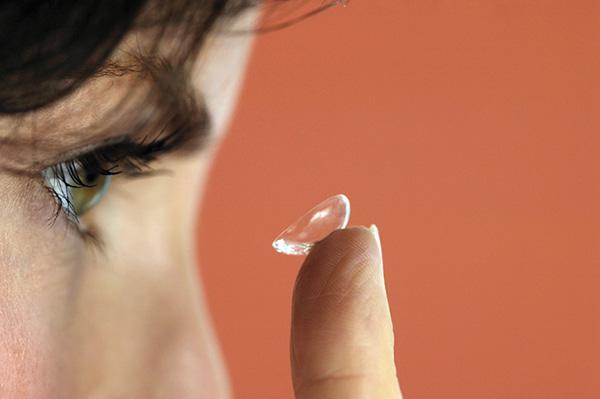
A. Many people wear contacts as they get older, but it can be challenging. In our 40s, we begin to lose close-up vision (a condition called presbyopia). By age 50, most people who wear contacts must also wear reading glasses for near-vision tasks. The frustration of always needing and searching for readers ("Where did I leave those? They were just here.”) often drives people to ditch their contacts and return to full-time glasses. However, multifocal contact lenses can help reduce the need for reading glasses. Some people also do well with monovision contacts, with one eye corrected for near vision and the other eye corrected for distance vision. It’s a surprisingly successful approach.
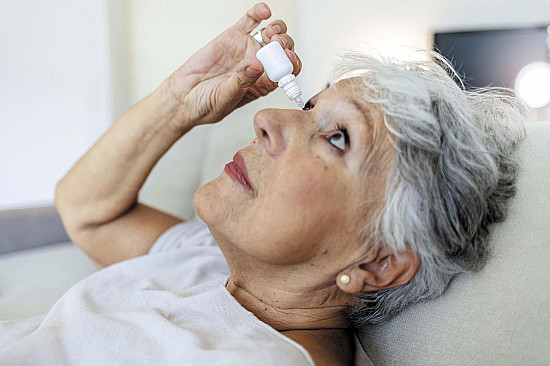
Some people find it difficult to wear contacts after age 50 due to dry eye syndrome, which occurs as the layer of oils, mucus, and water on the eye surface becomes thinner. Dry eyes feel gritty and irritated; wearing contacts can make symptoms worse. However, using artificial tears or prescription eye drops, using warm compresses on the eyelids, and choosing the best contact lens materials can ease discomfort. Your eye care provider can help you select the contact lenses that will work particularly well for dry eyes and other eye conditions.
Image: © Comstock Images/Getty Images
About the Author

Amy Watts, OD, Contributor
Disclaimer:
As a service to our readers, Harvard Health Publishing provides access to our library of archived content. Please note the date of last review or update on all articles.
No content on this site, regardless of date, should ever be used as a substitute for direct medical advice from your doctor or other qualified clinician.