

Signs of pneumonia: Sometimes vague and unexpected

Using a vibration plate: What it can — and can't — do for your body

The surprising link between ovarian cancer and the fallopian tubes

People who walk more or walk faster live longer, study finds

For sleep apnea, a dental device may be as effective as CPAP

Rosacea treatments: What works?

Carb cycling: What is it, and does it work?

Salmonella, E. coli, Cyclospora, and other germs that cause food poisoning: What you need to know

Melatonin or magnesium: Can either supplement help you sleep?

Understanding orthorexia: Have your healthy eating goals gone too far?
Medical Tests & Procedures Archive
Articles

New ways to test for prostate cancer
Recent advances can help men with a worrisome PSA result avoid immediate biopsy.
Prostate-specific antigen (PSA) blood testing receives high marks as an effective way to monitor disease activity in men diagnosed with prostate cancer. Yet, as a screening tool for prostate cancer, PSA testing is problematic.
PSA naturally tends to increase as men get older, but levels that get too high may suggest prostate cancer. A PSA level of less than 4 nanograms per milliliter (ng/mL) is often reassuring, unless there has been a sudden jump from a much lower number. Many doctors consider a total PSA level higher than 10 ng/mL as the threshold for getting a biopsy to check for cancer.

Don’t delay cancer treatment during the pandemic
News briefs
The pandemic may have you feeling reluctant to seek medical treatment. But when it comes to cancer care, even a short delay in treatment may lead to deadly outcomes, according to a review of 34 studies published online Nov. 4, 2020, by BMJ. Researchers evaluated treatment delay and survival in more than a million people who had cancer of the bladder, breast, colon, rectum, lung, cervix, or head and neck. Each four-week delay in treatment — whether surgery, radiation therapy, or medication (such as chemotherapy or immunotherapy) — was associated with an increase of 6% to 8% in the likelihood of dying during the study period. Scientists say delays of up to eight weeks and 12 weeks further increased the risk of death. For example, in women who delayed breast cancer surgery by eight weeks, there was a 17% increased death risk; women who delayed surgery by 12 weeks had a 26% increase. Keep in mind, there are lots of unavoidable reasons why cancer treatment might be delayed, such as not being strong enough to undergo procedures or scheduling issues at a treatment center. But if there isn't a good reason to delay, it's best to get treatment as soon as possible.
Image: FG Trade/Getty Images

Should adult kids get a COVID-19 test before a visit home?
Ask the doctor
Q. Should I make my kids get tested for COVID-19 before they come to visit me?
A. As we go to press, in most communities in the United States and Europe, the virus still is widespread — particularly among young adults. Many young adults who become infected do not develop symptoms, and therefore may not suspect they are infected. Worse, they may be shedding the virus and able to infect others. Older people are more vulnerable to becoming severely ill from the virus than young adults (although some young adults and even children can become very ill). So if my kids had symptoms that might indicate they had COVID-19, I'd ask them not to come. If they had no symptoms but were living in a "hot spot," I'd ask them to get tested before they traveled — and not to visit if they tested positive. I would hate not to see the kids, but it's a sacrifice we have to make until we control the virus.

Should I get a COVID-19 antibody test?
Ask the doctor
Q. Should I get a test for COVID-19 antibodies, even though I've never had any symptoms and I don't think I've had the virus?
A. A blood test for COVID-19 antibodies tells you if you have been infected in the past; it does not accurately tell you if you are currently infected. You can get an antibody test through your doctor, or possibly through a testing center set up by your state or city.

What is heart rate variability?
Ask the doctor
Q. In last month's Heart Letter, you described some of the ways your heart rate reflects your health. But I've also heard about another measurement, called heart rate variability. Can you explain what that's all about?
A. Heart rate variability (HRV) is a sophisticated measurement of the variation in time between each heartbeat. We know that a heart rate that's too slow, too fast, or irregular can signal a problem, so it's only natural to think that a steady, regular pulse is a sign of a healthy heart. And you might also assume that having little or no difference in the time between each beat (that is, a low HRV) is best.

A different type of heart attack
Spontaneous coronary artery dissection is an underrecognized but important cause of heart attack, especially in younger women.
Most heart attacks happen when a blood clot blocks an artery feeding the heart. But a small percentage result from a tear in the inner wall of one of the heart's arteries. The resulting flap or swelling inside the artery wall obstructs normal blood flow. Known as a spontaneous coronary artery dissection, or SCAD, the condition strikes both sexes but is more common in women.
In women who are under 50, SCAD is the most common reason for acute coronary syndrome. This medical emergency refers to inadequate blood flow to the heart; it includes both heart attacks and unstable angina (sudden chest pain that occurs at rest).
Radiation after prostate cancer surgery may not be necessary
In the journals
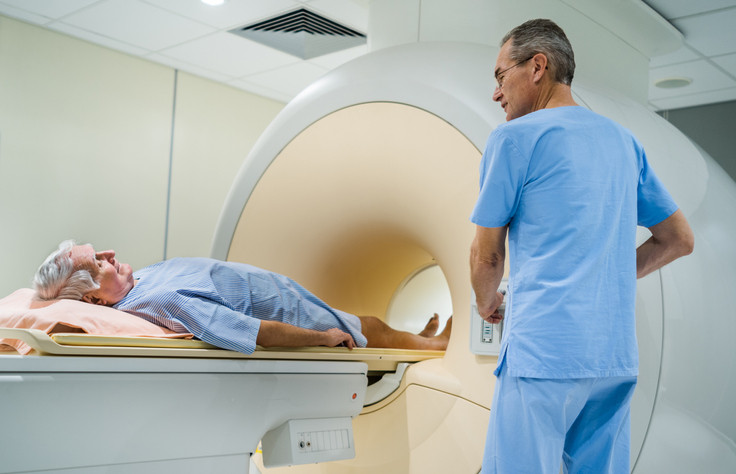
Many men with prostate cancer who have a radical prostatectomy (prostate removal) receive radiation therapy afterward to wipe out any residual cancer cells. Alternatively, men can choose to delay radiotherapy and be monitored for evidence of prostate cancer activity, such as a rising blood level of prostate-specific antigen (PSA). If PSA testing or an imaging test like an MRI shows cancer, these men can then consider radiation therapy.
According to the findings of an analysis published online Sept. 28, 2020, by The Lancet, there is no clear benefit of immediate radiation over monitoring with later radiation therapy as necessary. Since some men will never need radiotherapy, this means that by forgoing immediate treatment, they can avoid potential side effects like incontinence and bowel problems.

Certain foods and drugs may lower risk of colon cancer
In the journals
Colon cancer prevention involves following a healthy lifestyle — for instance, exercising and not smoking — and periodically getting a screening test such as a colonoscopy. But what impact do diet and medications have? A recent review of 80 statistical analyses published over the last 40 years explored this question. The review was published online Oct. 1, 2020, by the journal Gut.
Over all, the results were disappointing in that no specific drug, food, or supplement stood out in the body of evidence. Yet some of the reviewed studies did show a link between a lower risk of colon cancer and use of nonsteroidal anti-inflammatory drugs (NSAIDs) — such as aspirin, ibuprofen (Advil, Motrin), and naproxen (Aleve) —and a higher intake of fruits, vegetables, and fiber. But other studies did not.

Predicting low-risk prostate cancer
New calculators can estimate the chance your cancer might — or might not — become more aggressive.
Active surveillance is a popular option for men with low-risk prostate cancer, defined as a tumor that is confined to the prostate gland and unlikely to grow or spread. It involves monitoring prostate-specific antigen (PSA) levels in the blood for changes and having regular digital rectal exams to look for abnormal areas on your prostate.
During active surveillance, you have a PSA test and a digital rectal exam every six months and prostate biopsies approximately every other year. If your PSA level rises, your doctor will likely recommend a prostate MRI or an immediate prostate biopsy to see if the cancer has become more aggressive. If so, you and your doctor can decide whether to continue with active surveillance and have another biopsy six months or a year later, or move ahead to treatment, such as radiation, hormonal therapy, or surgery.

Atrial fibrillation: Shifting strategies for early treatment?
For people recently diagnosed, taming the heart's rhythm rather than slowing it down may be a better approach.
The heart rhythm disorder known as atrial fibrillation (afib) occurs when the heart's electrical system goes awry. Instead of the heart's natural pacemaker creating a steady beat, the heart's upper chambers (atria) pulsate rapidly — up to hundreds of times per minute. Most of the electrical impulses telling the lower chambers (ventricles) to contract don't get through but many do, triggering a racing, irregular heartbeat that can leave people dizzy, breathless, or fatigued.
Therapies to tackle this common arrhythmia have improved over the years. Now, new findings suggest it may be time to rethink the treatment for people newly diagnosed with afib (see "Afib: Rhythm vs. rate control").
Signs of pneumonia: Sometimes vague and unexpected
Using a vibration plate: What it can — and can't — do for your body
The surprising link between ovarian cancer and the fallopian tubes
People who walk more or walk faster live longer, study finds
For sleep apnea, a dental device may be as effective as CPAP
Rosacea treatments: What works?
Carb cycling: What is it, and does it work?
Salmonella, E. coli, Cyclospora, and other germs that cause food poisoning: What you need to know
Melatonin or magnesium: Can either supplement help you sleep?
Understanding orthorexia: Have your healthy eating goals gone too far?
Free Healthbeat Signup
Get the latest in health news delivered to your inbox!
Sign Up
