
CoQ10: Should you take this popular supplement if you're on a statin?

Oat vs. dairy milk: Nutrition, benefits, and downsides

Microplastics: A hidden health threat?

Healing after food poisoning

What is tempeh? Benefits, nutrition, and how to use it

Light exposure at night may raise risk for heart disease

Whole grains may improve several heart risk factors at once

A lumbar belt may help ease low back pain

Children of centenarians may stay healthier and live longer too, study finds

Signs of pneumonia: Sometimes vague and unexpected
Medical Tests & Procedures Archive
Articles

From the wrist to the heart: A safer route for angioplasty?

If it’s not breast cancer, should you worry?

Do BMI numbers add up?

You don't say? Brain space
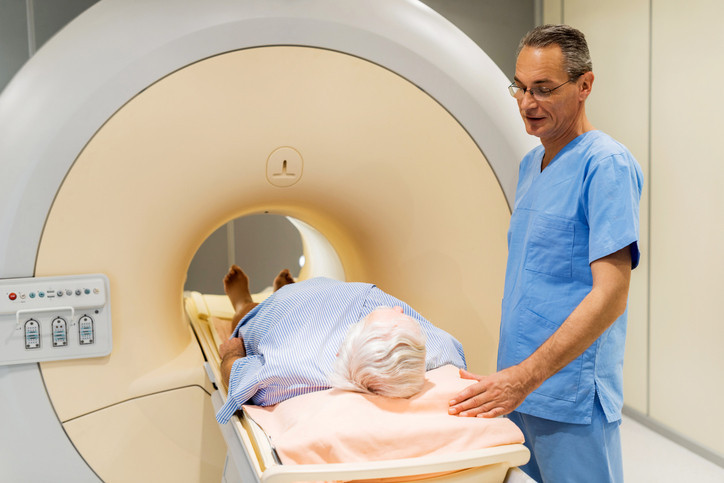
Radiation risk from medical imaging
Given the huge increase in the use of CT scans, concern about radiation exposure is warranted. Patients should try to keep track of their cumulative radiation exposure, and only have tests when necessary.

A closer look at heart disease risk
Sometimes the presence of atherosclerosis, the disease underlying most heart attacks, is not clear or easily recognized, especially before a heart attack or other crisis happens. In those instances, doctors may rely on a coronary artery calcium (CAC) scan, which measures the amount of calcium in the heart's arteries, high levels of which are associated with cardiovascular disease. The CAC results can help predict a person's risk for heart attack or stroke, even if that person doesn't have obvious risk factors or symptoms.


Back to the doctor

When imaging tests reveal unexpected findings

A blood test may predict increased risk for Alzheimer’s disease
CoQ10: Should you take this popular supplement if you're on a statin?
Oat vs. dairy milk: Nutrition, benefits, and downsides
Microplastics: A hidden health threat?
Healing after food poisoning
What is tempeh? Benefits, nutrition, and how to use it
Light exposure at night may raise risk for heart disease
Whole grains may improve several heart risk factors at once
A lumbar belt may help ease low back pain
Children of centenarians may stay healthier and live longer too, study finds
Signs of pneumonia: Sometimes vague and unexpected
Free Healthbeat Signup
Get the latest in health news delivered to your inbox!
Sign Up
