

Light exposure at night may raise risk for heart disease

Whole grains may improve several heart risk factors at once

A lumbar belt may help ease low back pain

Children of centenarians may stay healthier and live longer too, study finds

Signs of pneumonia: Sometimes vague and unexpected

The surprising link between ovarian cancer and the fallopian tubes

Using a vibration plate: What it can — and can't — do for your body

People who walk more or walk faster live longer, study finds
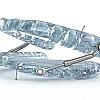
For sleep apnea, a dental device may be as effective as CPAP

Rosacea treatments: What works?
Immune and infectious diseases Archive
Articles

More protection for your heart? It's just a shot away
A yearly influenza vaccine may help lower the risk of serious cardiovascular complications, especially among people who've had a recent heart attack. Pneumonia and shingles vaccines also help reduce heart attack and stroke risks. Early fall is a good time to get back on track with these vaccines. Several different types of flu shots are available; experts advise getting whichever one is most readily available. For those ages 65 and older who have a choice, three vaccines (Fluzone High-Dose Quadrivalent, Flublock Quadrivalent recombinant, and Fluad Quadrivalent adjuvanted) may offer slightly better protection than the regular-dose shot and are the preferred choice.

Enhanced flu vaccine suggested for older adults
Influenza vaccines that contain higher doses and extra ingredients (adjuvants) to boost their effectiveness can provide better protection than the standard flu vaccine for adults ages 65 and older, according to the CDC, and are recommended for the upcoming flu season.

More fallout from COVID-19
Hair loss is common in the months after recovering from COVID-19 infection. It can also happen in people with long COVID or because of mental stress from the pandemic. COVID-related hair loss is a form of telogen effluvium, a condition in which normal hair shedding ramps up after intense physical or mental trauma. Hair regrowth usually takes six to 12 months. People can speed and support hair regrowth by avoiding harsh hair habits, checking nutrient levels, and applying minoxidil (Rogaine) to the scalp.

Monkeypox: What parents need to know
Few cases of monkeypox have occurred in children during this outbreak, and while the illness is usually mild, it's important for parents to know how to recognize and prevent this virus.

Severe COVID infection may lead to noticeable cognitive loss
A 2022 study found that survivors of severe COVID-19 infections can develop cognitive problems, such as brain fog or trouble finding words, equivalent to the loss of 10 IQ points or 20 years of aging.

What does the flu have to do with the heart?
For some people, the effects of the influenza (flu) virus can lead to a heart attack or cardiac arrest (sudden death). These people typically have reduced blood flow to the heart due to atherosclerosis (narrowed arteries). Because the flu can cause blood oxygen levels to drop to dangerously low levels, it can further reduce the supply of oxygen to the heart, causing a heart attack or cardiac arrest. Fortunately, getting an annual flu shot is associated with reduced risks of a heart attack and related cardiac events.

Polio: What parents need to know now
Recent news reports about cases of polio have some parents concerned about the illness. The vaccine is safe and remarkably effective, and widespread vaccination builds herd immunity.

Have lupus? What to know about birth control
An estimated 7% of Americans have an autoimmune disorder, and these tend to disproportionately affect women. Expert guidelines can help with questions about the best birth control options for people with lupus and other autoimmune diseases.

How a fiber-rich diet promotes heart health
Fiber-rich diets may lower the risk of heart attack and stroke, in part by decreasing inflammation. This benefit appears to be facilitated by the breakdown of prebiotic fiber in the gut microbiome to create short-chain fatty acids. These compounds circulate through the bloodstream and interact with specific receptors on cells that quell inflammation. Short-chain fatty acids may also play a role in keeping blood sugar, blood pressure, and cholesterol levels in check, as well as helping to prevent harmful blood clotting.

Too little sleep may be hard on your heart
Not getting sufficient sleep may harm the cardiovascular system by triggering physiological and hormonal changes that increase blood pressure, blood sugar, and blood levels of substances that indicate inflammation. People who don't regularly get at least seven hours of sleep a night should assess their daily habits to look for ways to improve, such as by establishing an earlier bedtime and turning off all electronic devices at least an hour before bedtime.
Light exposure at night may raise risk for heart disease
Whole grains may improve several heart risk factors at once
A lumbar belt may help ease low back pain
Children of centenarians may stay healthier and live longer too, study finds
Signs of pneumonia: Sometimes vague and unexpected
The surprising link between ovarian cancer and the fallopian tubes
Using a vibration plate: What it can — and can't — do for your body
People who walk more or walk faster live longer, study finds
For sleep apnea, a dental device may be as effective as CPAP
Rosacea treatments: What works?
Free Healthbeat Signup
Get the latest in health news delivered to your inbox!
Sign Up
