

Light exposure at night may raise risk for heart disease

Whole grains may improve several heart risk factors at once

A lumbar belt may help ease low back pain

Children of centenarians may stay healthier and live longer too, study finds

Signs of pneumonia: Sometimes vague and unexpected

The surprising link between ovarian cancer and the fallopian tubes

Using a vibration plate: What it can — and can't — do for your body

People who walk more or walk faster live longer, study finds

For sleep apnea, a dental device may be as effective as CPAP

Rosacea treatments: What works?
Immune and infectious diseases Archive
Articles
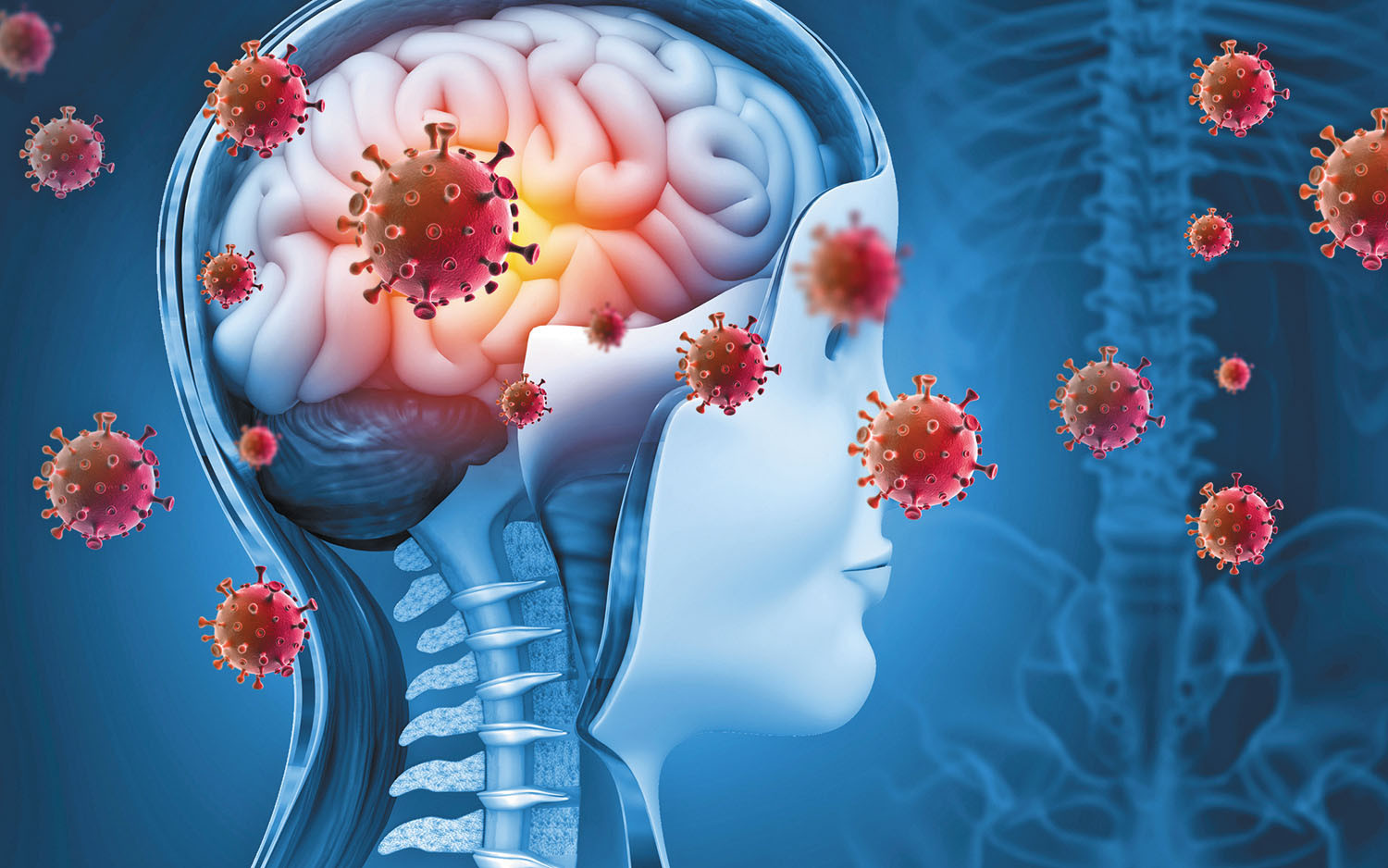
Does COVID-19 damage the brain?
COVID-19 can damage the brain in many ways. Initially, it can cause brain inflammation that causes confusion, difficulty concentrating, and memory problems. COVID also can cause new psychological disorders such as depression or anxiety. It can even cause people to see and hear things that aren't there and to believe things that aren't true. COVID often damages the brain's autonomic nervous system, leading to abnormalities in heart rate and blood pressure. Additionally, the virus that causes COVID can infect and injure the lining of blood vessels and make blood clot more easily, which can lead to strokes and heart attacks.

Why won't my hives go away?
Hives are red, itchy welts that crop up on the skin. Allergic reactions and stress, among other triggers, can cause episodes of hives, which typically last several days to a couple of weeks. Cases that last six weeks or longer may be autoimmune hives.

Shingles linked with higher risk for heart disease and stroke
People who have had shingles have a 30% increased risk for heart disease and stroke, says a new Harvard study. Learn more about the risk.

Does inflammation contribute to infertility?
Infertility affects millions of people worldwide. Chronic inflammation has been linked to many health conditions and some research suggests it might be a contributing factor for some cases of infertility. And if true, would an anti-inflammatory diet or lifestyle boost fertility?

Late-stage cervical cancer on the rise: What to know
Cervical cancer is curable when caught early through routine screening, so research showing a surprising rise in advanced cancer cases in some groups is worrisome. Two Harvard experts share insights about the research and advice on how people can best protect themselves.

Easy ways to keep inflammation in check
Certain healthy habits can fight chronic inflammation, such as eating a healthy diet, exercising regularly, getting enough sleep, maintaining good oral health, and reducing stress. If adopting all those habits seems daunting, taking little steps in their direction can help. For example, a person might eat fatty fish twice a week, since it contains omega-3 fatty acids known to reduce inflammation; or go for a quick daily walk, since exercise may increase the production of hormones that help keep inflammation in check. The combined effects of many little habits can eventually add up to keep people healthier.

How high a fever is too high?
A fever is the immune system's response to an infection or invader. Most fevers drop after people take over-the-counter medications. People should call a doctor if their fever reaches 103° F and go to an emergency room if it reaches 105°.

Do fermented foods live up to the hype?
Fermented foods and drinks such as kimchi, kombucha, and tempeh are increasingly popular, adding to mainstays such as yogurt, sauerkraut, and beer. Heat and bright lights during manufacturing can destroy some beneficial probiotics. Fermented products can ease digestion, dampen inflammation, boost nutrient absorption, and battle harmful bacteria. People should look for product labels that say "live and active cultures" and avoid shelf-stable versions, which don't contain probiotics.

Genes protective during the Black Death may now be increasing autoimmune disorders
Genes that helped people survive during the time of the Black Death are more likely to be found in people with autoimmune diseases alive today. Does this tell scientists anything about what surviving the COVID-19 pandemic might mean for the world's population?

What is an annual wellness visit?
The routine yearly medical check-up is now more often referred to as the annual wellness visit, which allows people to formulate detailed health goals with their doctor and design plans to meet them, as well as assess the possibility of life-changing events, like heart attack, stroke, and cancer.
Light exposure at night may raise risk for heart disease
Whole grains may improve several heart risk factors at once
A lumbar belt may help ease low back pain
Children of centenarians may stay healthier and live longer too, study finds
Signs of pneumonia: Sometimes vague and unexpected
The surprising link between ovarian cancer and the fallopian tubes
Using a vibration plate: What it can — and can't — do for your body
People who walk more or walk faster live longer, study finds
For sleep apnea, a dental device may be as effective as CPAP
Rosacea treatments: What works?
Free Healthbeat Signup
Get the latest in health news delivered to your inbox!
Sign Up
