

Whole grains may improve several heart risk factors at once

Light exposure at night may raise risk for heart disease

Children of centenarians may stay healthier and live longer too, study finds

A lumbar belt may help ease low back pain

Signs of pneumonia: Sometimes vague and unexpected

The surprising link between ovarian cancer and the fallopian tubes

Using a vibration plate: What it can — and can't — do for your body

People who walk more or walk faster live longer, study finds

Rosacea treatments: What works?

For sleep apnea, a dental device may be as effective as CPAP
Diseases & Conditions Archive
Articles

Short-term stroke symptoms still need emergency care
People who experience stroke symptoms that disappear in less than an hour, a phenomenon known as a transient ischemic attack, should seek immediate care to prevent a full-blown stroke.

Did COVID cause my shortness of breath?
While shortness of breath can be caused by several ailments, the most common are a lung issue, a heart problem, anemia (low red blood cell count), or deconditioning. Even if the cause remains unclear, a doctor can create a treatment plan to improve symptoms.

Erectile dysfunction drugs linked to lower risk of heart problems
Otherwise healthy men treated with prescription drugs used to treat erectile dysfunction had a lower risk of heart attacks, strokes, or death from heart-related causes.

Sleep apnea may lead to weaker bones and teeth
A 2022 study found that people with sleep apnea are more likely to have low bone density. Apnea may trigger low oxygen levels and inflammation that impair the body's continuous bone renewal process.

Toss your reading glasses?
By age 75, about half of all Americans develop at least one cataract, a cloudy area in the eye's lens that can make it harder to read, do handiwork, golf, or drive. Stopgap measures—such as using brighter lights, avoiding nighttime driving, or wearing tinted glasses to reduce glare—can delay the need for cataract surgery. Cataract surgery has evolved to offer a variety of artificial lens options to replace the natural lens removed. Most lenses can reduce the need for glasses or contact lenses. People should check their health insurance coverage since most advanced lenses aren't covered.

Invisible illness: More than meets the eye
Invisible illnesses, meaning those that aren't obvious to other people, affect an estimated 10% of the 61 million Americans who have a physical or mental condition that limits their movement or senses. Some people fear disclosing their invisible illness will make them seem incapable or entitled, but keeping illness secret can lead to isolation. People who decide to disclose their hidden illness should keep descriptions simple, point others toward reputable information, tell people how the illness limits them, and seek support.


The high cost of a poor diet
What people choose to eat has a big impact on their cardiovascular health. The dietary habits of the nation as a whole also have a major effect on the country's economic health. About 45% of the costs associated with heart disease, stroke, and diabetes is related to unhealthy diets. The dietary habits that appear to have the biggest effect are not eating enough nuts, seeds, and seafood omega-3 fatty acids. Among foods to avoid, sugary beverages and processed meats seem to contribute the most to higher costs. Each year, unhealthy diets cost the United States an average of about $300 per person in medical costs, which translates to $50 billion nationwide.
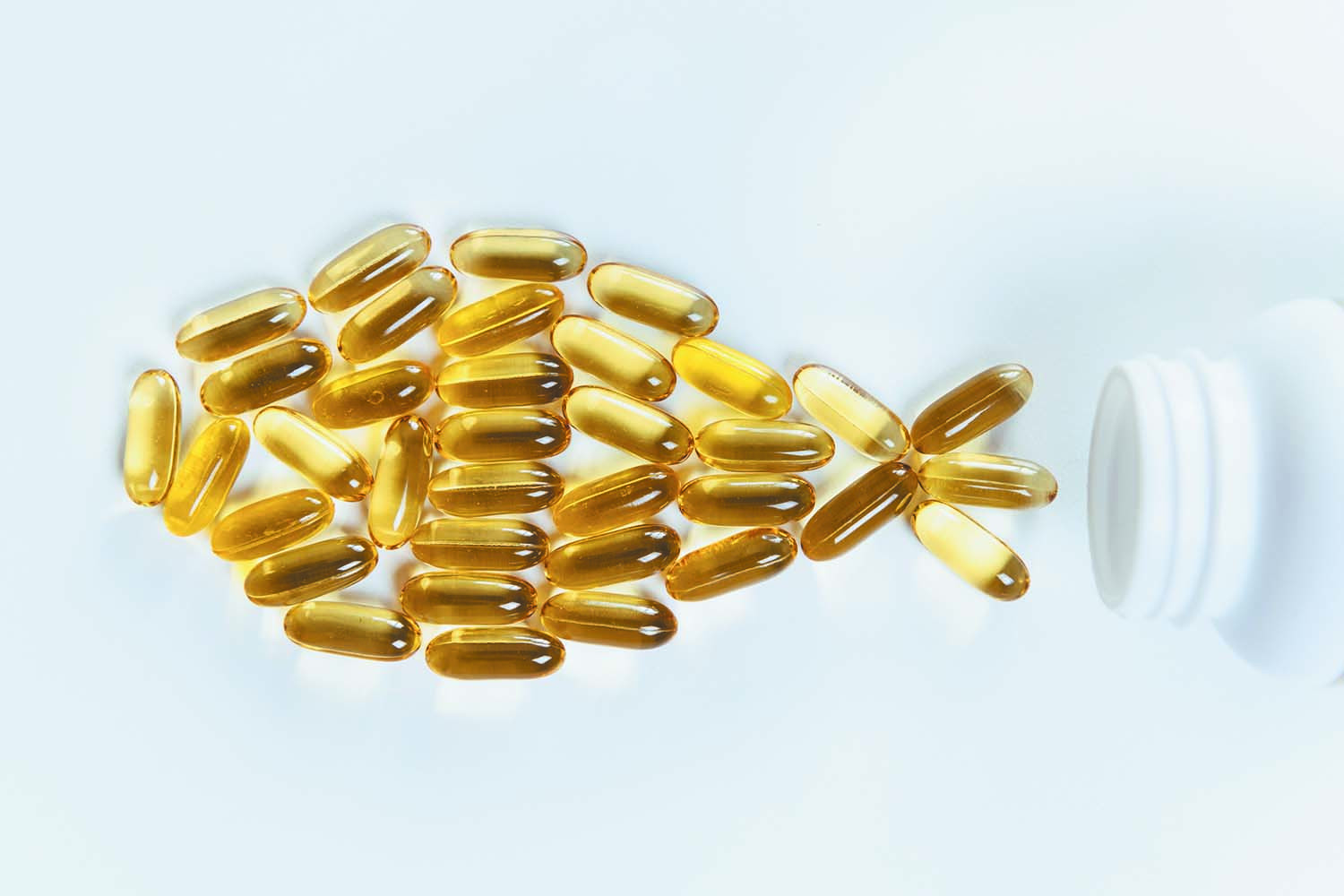
The questions about fish oil supplements
Some research says taking a daily fish oil supplement can reduce the risk of heart attacks and strokes, while other studies say the evidence remains thin. While fish oil is the best source of omega-3 fatty acids (essential nutrients that the body cannot make on its own), taking an over-the-counter fish oil supplement probably provides no extra heart benefit beyond a well-balanced diet that includes plenty of omega-3-rich fatty fish, nuts, and seeds.

5 things to know about your morning cup of joe
A recent review found not only that coffee won't harm cardiovascular health or raise the risk of cancer, but it may actually have some health benefits. These include a lower risk of diabetes, and certain cancers, such as liver, and endometrial cancer. Many of these benefits may come from plant chemicals found in coffee.
Whole grains may improve several heart risk factors at once
Light exposure at night may raise risk for heart disease
Children of centenarians may stay healthier and live longer too, study finds
A lumbar belt may help ease low back pain
Signs of pneumonia: Sometimes vague and unexpected
The surprising link between ovarian cancer and the fallopian tubes
Using a vibration plate: What it can — and can't — do for your body
People who walk more or walk faster live longer, study finds
Rosacea treatments: What works?
For sleep apnea, a dental device may be as effective as CPAP
Free Healthbeat Signup
Get the latest in health news delivered to your inbox!
Sign Up
