

Estrogen-only hormone therapy tied to lower dementia risk
Should you have a hysterectomy?

Stair climbing may significantly lower cardiovascular risks

Why do I sweat so much?

Walking pneumonia: The "mild" illness that can still pack a punch

Tai chi walking: What is it and does it work?

What causes knee pain: How doctors make a diagnosis
Sacroiliac joint pain: Causes, symptoms, and exercises that help
Where you carry excess weight matters in predicting heart disease risk

Study: At-home colorectal cancer screening may significantly cut colon cancer deaths
Diseases & Conditions Archive
Articles

Over-the-counter hearing aids: What we know so far
Over-the-counter hearing aids are now available in stores and online. They're regulated by the FDA, they don't require a prescription from a doctor, and they're cheaper than prescription hearing aids. But over-the-counter devices are not right for everyone. They're meant only for adults with perceived mild to moderate hearing loss. Before buying a pair, a person should do some homework to find devices with the right fit and features, including a trial period that allows the buyer to return them if they aren't working out.

Spot the warning signs of 4 dangerous conditions
Sometimes people miss the symptoms of life-threatening conditions such as a heart attack, a stroke, atrial fibrillation, or a pulmonary embolism. To detect the warning signs, people should pay attention to sudden, new symptoms, especially if they include shortness of breath, chest pain, heart palpitations, lightheadedness, confusion, weakness, fatigue, fainting, or a terrible headache. Someone experiencing any of these symptoms should call 911. If symptoms aren't sudden or intense, and people aren't sure if they warrant emergency help, they should call their doctor.

Addressing language challenges after a stroke
Stroke is the most common cause of aphasia, a language-based brain disorder that can affect speaking, understanding, reading, and writing. But the brain has the ability to rewire brain cells and recover lost function through a process known as neuroplasticity. Therapy with a speech-language pathologist facilitates this recovery, which is greatest in the first several months after a stroke. Stroke survivors who keep working on their language processing problems can continue to improve for years.

Seeing a surgeon?
A pre-surgery consultation with the surgeon can feel overwhelming. Many people are anxious and have questions about what's to come. Setting the right expectations on both sides can ease anxiety and help define a successful outcome.

What happens when a drug goes viral?
| After celebrities touted its weight loss benefits, high demand put the diabetes medication Ozempic in short supply. Learn more about what this means for people with diabetes. |

A mindful way to help manage type 2 diabetes?
Lifestyle changes like regular exercise, a healthy diet, and sufficient sleep are cornerstones of self-care for people with type 2 diabetes. But can mind-body practices help people manage or even treat type 2 diabetes? An analysis of multiple studies suggests they might.
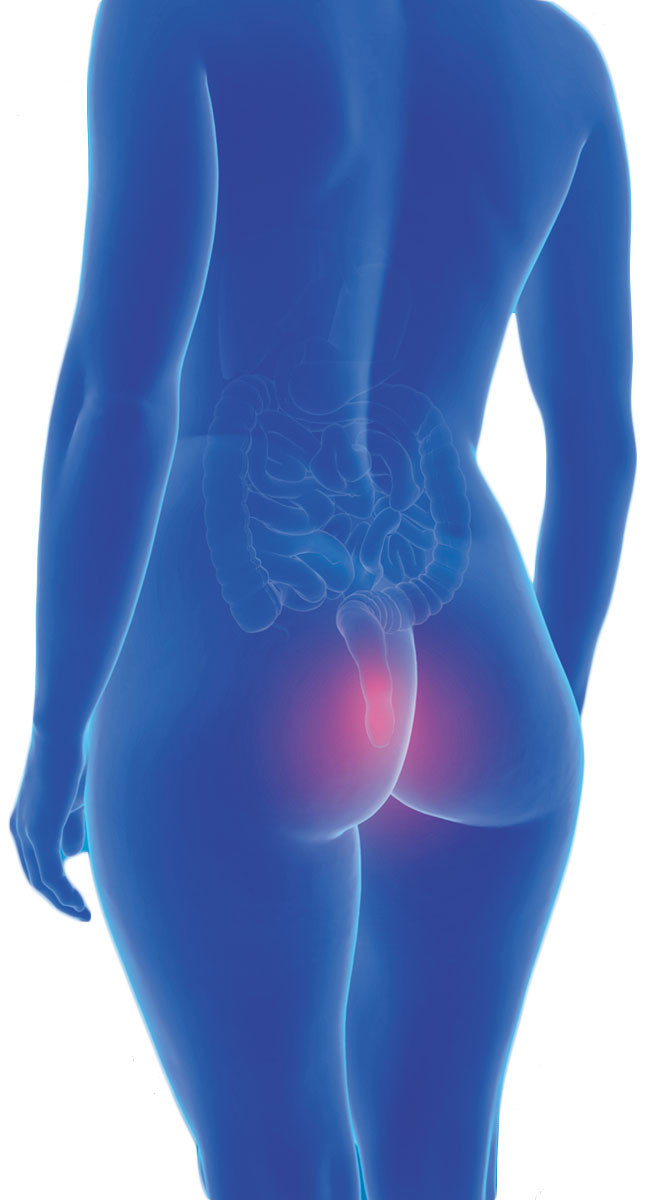
A pain in the rear
Everyone is born with the blood vessels that underlie hemorrhoids, but they may become problematic when they enlarge. Half of people have symptoms by age 50 that include pain, itching, swelling, and bleeding. Home remedies such as pain relievers, topical creams and ointments, sitz baths, and cold compresses don't eradicate hemorrhoids. In-office procedures can cut off blood supply to internal hemorrhoids, allowing them to fall off. Surgery is the only definitive treatment option for external hemorrhoids visible at the anus.

Don't count on a supplement to fix high cholesterol
A 2022 study found that taking supplements for four weeks to treat "bad" LDL cholesterol was ineffective, compared with taking a statin drug for four weeks. Supplements studied included fish oil, cinnamon, garlic, turmeric, plant sterols, and red yeast rice.

Poor sleep linked to a common cause of blindness
In a large 2022 study, people with unhealthy sleep patterns (those who snored, experienced daytime sleepiness, had insomnia, slept less than seven hours per night, or slept more than nine hours per night) were more likely to develop glaucoma than people with healthy sleep patterns.

Better blood pressure control after a stroke may reduce risk of falls
Stroke survivors who take their blood pressure drugs as prescribed may be less likely to experience a serious fall compared with those who don't take their medications on schedule.
Estrogen-only hormone therapy tied to lower dementia risk
Should you have a hysterectomy?
Stair climbing may significantly lower cardiovascular risks
Why do I sweat so much?
Walking pneumonia: The "mild" illness that can still pack a punch
Tai chi walking: What is it and does it work?
What causes knee pain: How doctors make a diagnosis
Sacroiliac joint pain: Causes, symptoms, and exercises that help
Where you carry excess weight matters in predicting heart disease risk
Study: At-home colorectal cancer screening may significantly cut colon cancer deaths
Free Healthbeat Signup
Get the latest in health news delivered to your inbox!
Sign Up
