

People who walk more or walk faster live longer, study finds

Rosacea treatments: What works?

For sleep apnea, a dental device may be as effective as CPAP

Carb cycling: What is it, and does it work?

Understanding orthorexia: Have your healthy eating goals gone too far?

Melatonin or magnesium: Can either supplement help you sleep?

Salmonella, E. coli, Cyclospora, and other germs that cause food poisoning: What you need to know

Naturally gluten-free foods

Harvard study: Healthier fats linked to longer life after prostate cancer diagnosis

Shingrix shingles vaccine linked with lower heart disease risks
Diseases & Conditions Archive
Articles

A mindful way to help manage type 2 diabetes?
Lifestyle changes like regular exercise, a healthy diet, and sufficient sleep are cornerstones of self-care for people with type 2 diabetes. But can mind-body practices help people manage or even treat type 2 diabetes? An analysis of multiple studies suggests they might.
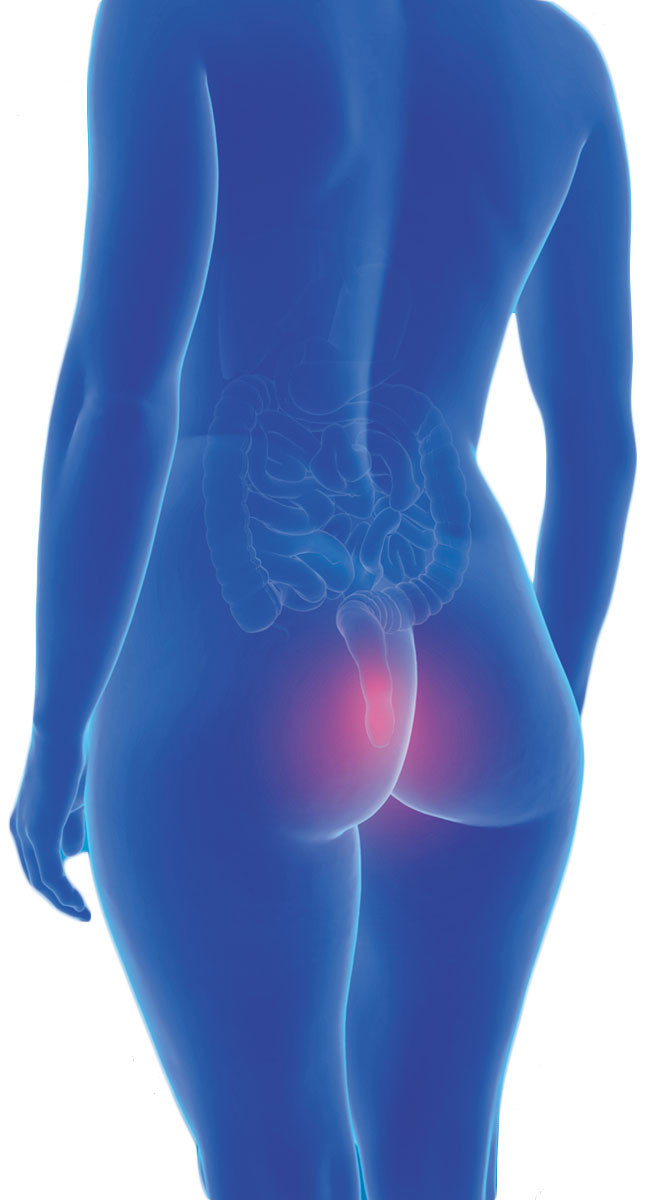
A pain in the rear
Everyone is born with the blood vessels that underlie hemorrhoids, but they may become problematic when they enlarge. Half of people have symptoms by age 50 that include pain, itching, swelling, and bleeding. Home remedies such as pain relievers, topical creams and ointments, sitz baths, and cold compresses don't eradicate hemorrhoids. In-office procedures can cut off blood supply to internal hemorrhoids, allowing them to fall off. Surgery is the only definitive treatment option for external hemorrhoids visible at the anus.
Don't count on a supplement to fix high cholesterol
A 2022 study found that taking supplements for four weeks to treat "bad" LDL cholesterol was ineffective, compared with taking a statin drug for four weeks. Supplements studied included fish oil, cinnamon, garlic, turmeric, plant sterols, and red yeast rice.

Poor sleep linked to a common cause of blindness
In a large 2022 study, people with unhealthy sleep patterns (those who snored, experienced daytime sleepiness, had insomnia, slept less than seven hours per night, or slept more than nine hours per night) were more likely to develop glaucoma than people with healthy sleep patterns.

Better blood pressure control after a stroke may reduce risk of falls
Stroke survivors who take their blood pressure drugs as prescribed may be less likely to experience a serious fall compared with those who don't take their medications on schedule.

Do you pass the hearing test?
Approximately one in three people ages 65 to 74 has hearing loss, and nearly half of those older than 75 have difficulty hearing. Getting a hearing test is recommended to identify any hearing loss before it worsens and prescribe a hearing aid if needed. While hearing aids are traditionally expensive, new over-the-counter devices can make them more affordable for people with mild or moderate hearing loss.

New pediatric guidelines on obesity in children and teens
Rates of obesity in children have more than tripled in the past six decades, and are still climbing. With millions of children and teens at risk for the many complications of obesity, the American Academy of Pediatrics has updated its guidelines for pediatricians.

Time for a diabetes tune-up
A major theme of the 2023 American Diabetes Association Standards of Medical Care guide is healthy weight loss. The new guidelines also encourage collaboration on meaningful lifestyle changes that help with sleep and health metric targets.
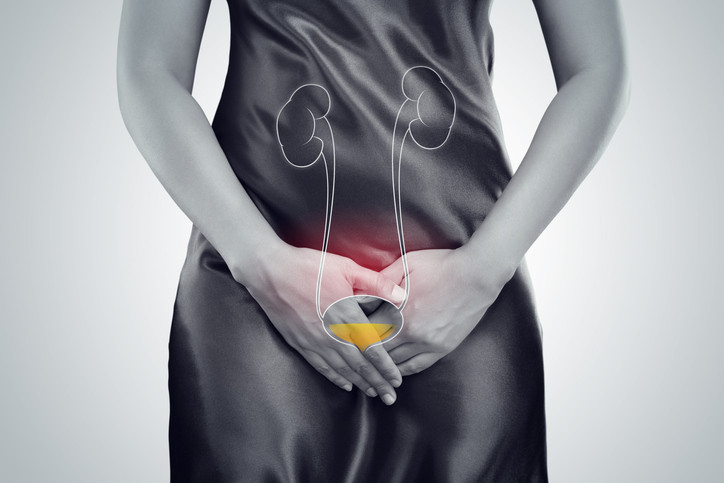
Did I cause my partner's bladder infection?
While a man cannot directly give his female partner a bladder infection, he can increase her risk with vigorous or frequent sexual intercourse.

Got a goiter?
An enlarged thyroid, called a goiter, or nodules on the gland are quite common, especially in women. Doctors pat down the neck during physical exams to help detect these conditions. Treatment depends on whether a lesion is cancerous or causing severe symptoms. Some goiters or nodules are simply monitored over time.
People who walk more or walk faster live longer, study finds
Rosacea treatments: What works?
For sleep apnea, a dental device may be as effective as CPAP
Carb cycling: What is it, and does it work?
Understanding orthorexia: Have your healthy eating goals gone too far?
Melatonin or magnesium: Can either supplement help you sleep?
Salmonella, E. coli, Cyclospora, and other germs that cause food poisoning: What you need to know
Naturally gluten-free foods
Harvard study: Healthier fats linked to longer life after prostate cancer diagnosis
Shingrix shingles vaccine linked with lower heart disease risks
Free Healthbeat Signup
Get the latest in health news delivered to your inbox!
Sign Up
