

People who walk more or walk faster live longer, study finds

Rosacea treatments: What works?

For sleep apnea, a dental device may be as effective as CPAP

Carb cycling: What is it, and does it work?

Understanding orthorexia: Have your healthy eating goals gone too far?

Melatonin or magnesium: Can either supplement help you sleep?

Salmonella, E. coli, Cyclospora, and other germs that cause food poisoning: What you need to know

Naturally gluten-free foods

Harvard study: Healthier fats linked to longer life after prostate cancer diagnosis

Shingrix shingles vaccine linked with lower heart disease risks
Diseases & Conditions Archive
Articles

Battling a "brain storm"
Migraines, which affect nearly 40 million Americans, are likely vastly underdiagnosed and undertreated. Women are three times more likely to get migraines than men, and hormones appear to be a major trigger. Other triggers include stress, disrupted sleep patterns, hunger or dehydration, certain foods or medications, and bright lights or loud noise. Newer medications are more targeted and pose fewer side effects. They include CGRP (calcitonin gene-related peptide) blockers, more effective nasal sprays, and green light therapy.

Why do my ears feel clogged?
Ears can feel clogged due to impacted earwax, swollen or blocked eustachian tubes, or hearing loss. If the sensation persists, a doctor should examine a person's ears and hearing.

Try this: The nose knows about nasal rinses
Rinsing your nasal cavity with a saline solution using a neti pot or small ball syringe can be a simple and inexpensive way to find relief from common sinus problems.

Was it something you ate? Follow these steps when food makes you sick
Symptoms of food-related illness can show up hours or even days after ingesting a harmful microbe or toxin. Symptoms of food-related illness might include intense nausea, vomiting, stomach cramps, diarrhea, or possibly a low-grade fever (below 101° F). Someone with food-related illness should rest as much as possible, stay hydrated, and avoid sugary drinks or alcohol. A person who develops a high fever, bloody stool, severe abdominal pain, or severe dehydration should go to the emergency room.

Air pollution: An invisible threat to your heart
Exposure to microscopic particles called PM2.5 in air pollution may increase a person’s risk of heart attack, stroke, and heart rhythm disorders. The tiny particles pass from the lungs into the bloodstream, triggering inflammation and other cell-damaging processes. Air pollution comes mainly from coal-fired power plants, industrial factories, and motor vehicles. To limit exposure, people should try to avoid exercising outdoors near busy roads or industrial areas.

Feel woozy? Do this first
People who've never experienced wooziness should call 911 if the symptom comes on suddenly or severely, especially if it's accompanied by other symptoms. However, a person who has experienced wooziness before or been unwell recently should sit down, have a drink of water or juice, and rest for 10 to 15 minutes. If the feeling of wooziness persists, if other symptoms develop, or if it's hard to get up without feeling faint, one should call 911.

Can long COVID affect the gut?
Some people who have been infected with the virus that causes COVID-19 have experienced lingering effects like low energy and brain fog. Could gastrointestinal problems be another aftereffect of the virus?

Shingles linked with higher risk for heart disease and stroke
People who have had shingles have a 30% increased risk for heart disease and stroke, says a new Harvard study. Learn more about the risk.
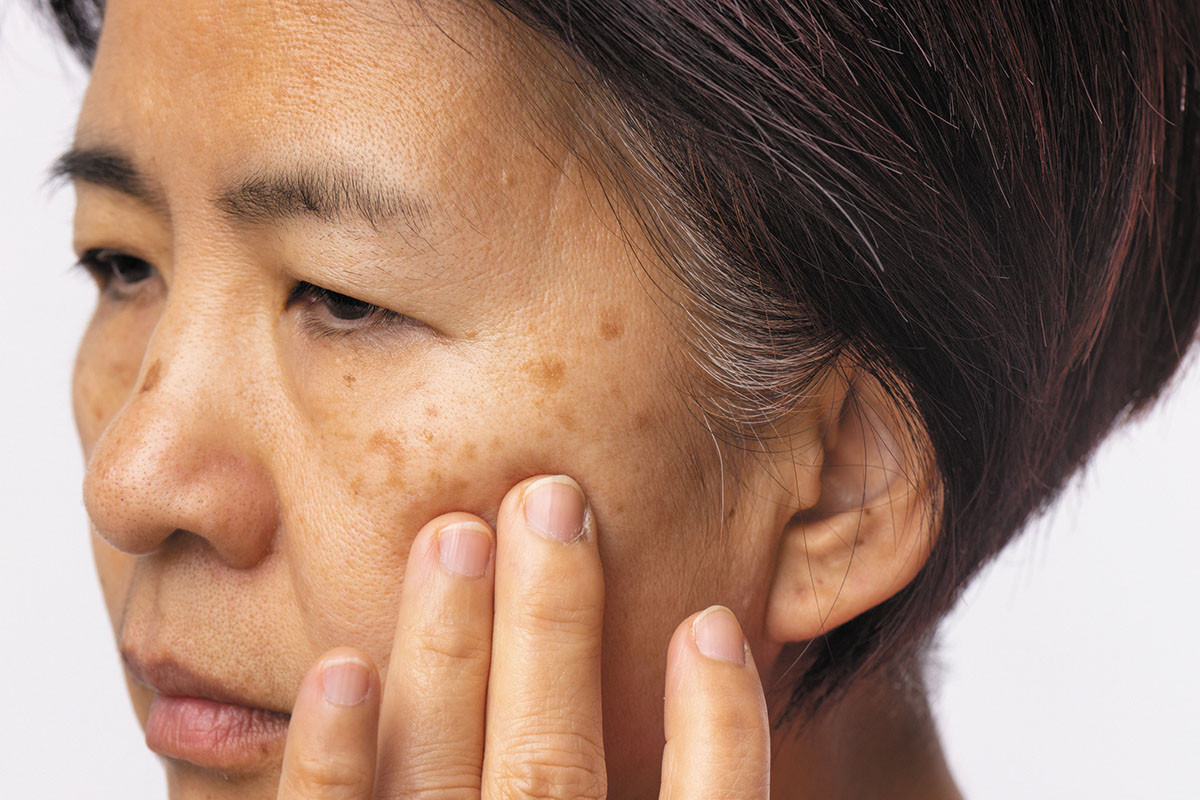
A mask that's hard to shed
Melasma, which causes dark patches on the face, is far more prevalent in women than in men. Dubbed the "mask of pregnancy," melasma triggers include not only pregnancy but also hormonal fluctuations, genetics, and sun exposure. People with darker skin are more prone to it. Melasma is typically treated with topical products that lighten the skin or slough off cells. Laser treatments and chemical peels, however, may worsen melasma. Sunscreen use can help prevent flares.

Why won't my hives go away?
Hives are red, itchy welts that crop up on the skin. Allergic reactions and stress, among other triggers, can cause episodes of hives, which typically last several days to a couple of weeks. Cases that last six weeks or longer may be autoimmune hives.
People who walk more or walk faster live longer, study finds
Rosacea treatments: What works?
For sleep apnea, a dental device may be as effective as CPAP
Carb cycling: What is it, and does it work?
Understanding orthorexia: Have your healthy eating goals gone too far?
Melatonin or magnesium: Can either supplement help you sleep?
Salmonella, E. coli, Cyclospora, and other germs that cause food poisoning: What you need to know
Naturally gluten-free foods
Harvard study: Healthier fats linked to longer life after prostate cancer diagnosis
Shingrix shingles vaccine linked with lower heart disease risks
Free Healthbeat Signup
Get the latest in health news delivered to your inbox!
Sign Up
