

Signs of pneumonia: Sometimes vague and unexpected

The surprising link between ovarian cancer and the fallopian tubes

Using a vibration plate: What it can — and can't — do for your body

People who walk more or walk faster live longer, study finds

Rosacea treatments: What works?

For sleep apnea, a dental device may be as effective as CPAP

Carb cycling: What is it, and does it work?

Understanding orthorexia: Have your healthy eating goals gone too far?

Melatonin or magnesium: Can either supplement help you sleep?

Salmonella, E. coli, Cyclospora, and other germs that cause food poisoning: What you need to know
Diseases & Conditions Archive
Articles
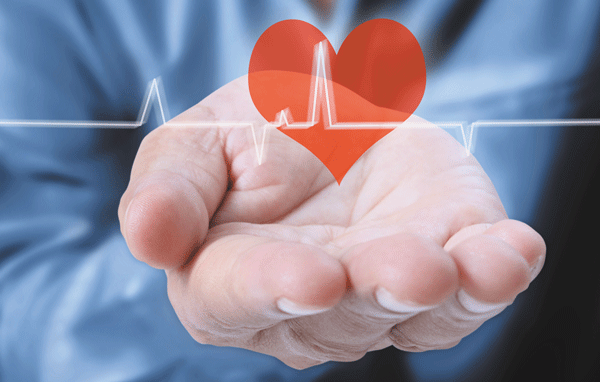
Be still, my beating heart
Heart palpitations can be alarming, but are they dangerous?
Do you ever feel that your heart is pounding, skipping, or racing so fast that you're certain it will explode from your chest at any moment? That's how many people describe the experience of heart palpitations. In the most literal sense, palpitations are simply an awareness of your heart beating, says Dr. William Stevenson, professor of medicine at Harvard-affiliated Brigham and Women's Hospital. The most familiar trigger for palpitations is heavy exercise, such as when you pedal extra hard to summit the last computerized hill in your indoor cycling class.
Skipping a beat
Although common, palpitations alarm many people, in part because they tend to come on unexpectedly. Isolated palpitations typically occur when a small rush of adrenaline courses through your body, causing your heart to beat more forcefully than usual. These surges can be generated by a strong emotion such as excitement, fear, or anger. They also can come on after consuming a stimulant such as caffeine.
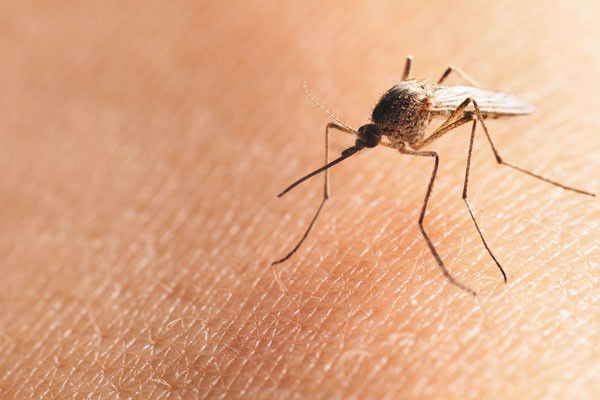
Are we prepared for epidemics?
Mosquitoes can transmit many viruses, such as, Zika, West Nile, dengue, and yellow fever.
Image: Thinkstock
Ask the Doctor
Q. Why is it that we suddenly have epidemics of things like Zika virus that we've never heard about, and that we have no treatments or vaccines for? It feels like we should be better prepared than we apparently are. This worries me more than terrorism.

What is a bicuspid aortic valve?
Ask the Doctor
Q. My primary care doctor referred me to a cardiologist, and I just found out that I have a bicuspid aortic valve. What does that mean for me?
A. The aortic valve sits between the heart and the aorta, the main artery from the heart that distributes oxygen-rich blood throughout the body. A normal aortic valve has three leaflets, or flaps, that open and close tightly to regulate the flow of blood. But between 1% and 2% of people are born with an aortic valve that has only two flaps, known as a bicuspid valve. This defect is twice as common in males as in females and often runs in families.

Cancer survivors may face cardiovascular complications
Even the newer, targeted cancer therapies may harm the heart.
Image: Bigstock
About 14 million people in the United States are living with cancer, a number that reflects the steady rise in cancer survivorship in recent decades. In 1980, only about half of people with cancer lived five years after diagnosis. Today, five-year cancer survival rates are greater than 70%.
Unfortunately, many cancer-suppressing treatments can have undesirable effects on the heart and blood vessels. The increasing awareness of these effects—coupled with the surge of older people being diagnosed with and surviving cancer—has spurred a new specialty known as cardio-oncology. Experts in this burgeoning field focus on promoting heart health in people with cancer, both during and after their treatment.
The best ways to treat spider veins
Ask the doctor
Q: I have developed numerous small, thin veins over my legs. I would like to get rid of them. What is the most effective treatment?
A: Dilated superficial veins, known as reticular or "spider" veins, are a common problem as men get older. The preferred treatment is sclerotherapy, but laser therapy is gaining popularity. Sclerotherapy involves injecting fluid into the veins with a small needle. This liquid causes irritation and inflammation of the vein, leading to its collapse. Laser therapy uses intense pulsed light to cause heat-related damage to the veins. Both treatments involve some discomfort. Wearing compression stockings afterwards appears to help improve outcome.
Atrial fibrillation carries a greater risk of stroke and death for women
Men are more likely than women to develop atrial fibrillation (afib)—a rapid, erratic beat in which the heart's upper chamber doesn't contract forcefully, allowing blood to pool and increasing the risk of clotting. However, some—but not all—studies have indicated that afib poses a greater stroke risk in women than in men. To settle the question, an international team of researchers looked at 30 studies with 4.4 million participants. They found that compared with men who have afib, women with afib have a 12% higher risk of death from all causes and almost double the risk of having a stroke or dying from one. The results were published online Jan. 20, 2016, by the journal BMJ.
Women notoriously neglect the symptoms of afib—feeling weak, breathless, or unusually fatigued. If you have afib symptoms, get medical attention, even if you think it's only a virus. There are several successful treatments for afib as well as for preventing stroke in women who have afib.
How long should you take a bisphosphonate for osteoporosis?
Millions of postmenopausal women are taking a bisphosphonate like oral alendronate (Fosamax) or intravenous (IV) zoledronic acid (Reclast) to increase bone density. But because long-term use of these drugs has been associated with an increased risk of bone death in the jaw and unusual thighbone fractures, experts have debated how long women should stay on the drugs to minimize the risk of hip or vertebral fractures without raising their risk for these rare but serious complications.
After considering major randomized controlled clinical trials, a task force of the American Society for Bone and Mineral Research has released guidelines on the optimal duration of bisphosphonate therapy for osteoporosis. The guidelines, published in the January 2016 issue of the Journal of Bone and Mineral Research, recommend reassessing a woman's fracture risk after five years of oral bisphosphonates or three years of IV therapy. They advise that women whose risk is still high should continue to take oral bisphosphonates for up to 10 years or IV therapy for up to six years. However, fracture risk should be reassessed every two to three years during extended therapy.
Heart attack and stroke risk may rise briefly after a bout of shingles
A painful, blistering rash known as shingles may temporarily increase a person's risk of a stroke or heart attack, according to a study in the Dec. 15, 2015 PLOS Medicine. Also known as herpes zoster, shingles results from a reactivation of the virus that causes chickenpox, which most adults had during childhood.
For the study, researchers analyzed the records of more than 67,000 people ages 65 and older diagnosed with shingles and either a heart attack or stroke from 2006 through 2011. They then compared the rates of cardiovascular events before and after a shingles attack. In the first week after a shingles diagnosis, the risk of a stroke rose 2.4 times and the risk of a heart attack increased 1.7 times compared with baseline risk.
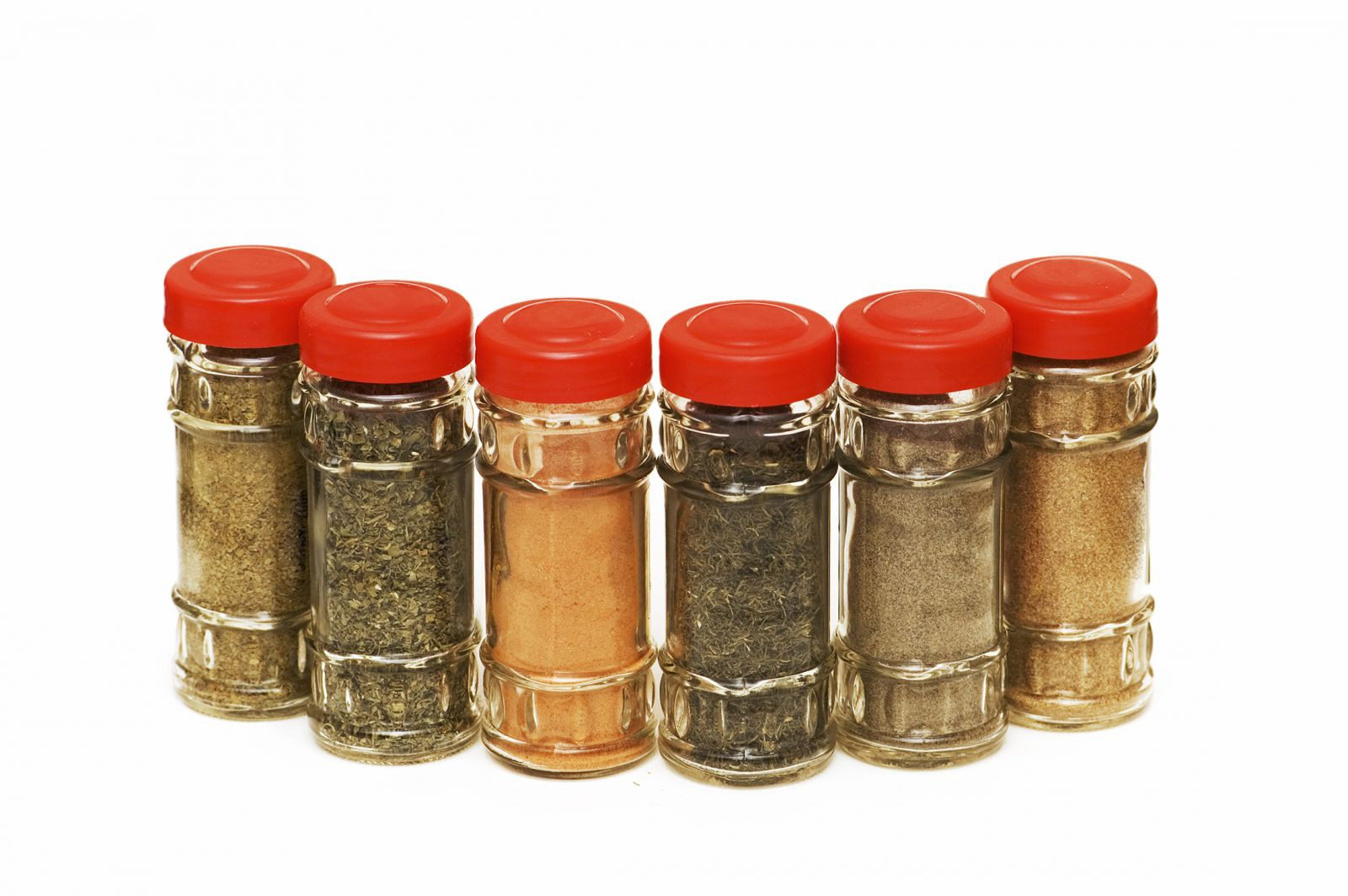
Can everyday spices make you healthier?
Turmeric, coriander, and cumin may boost your health and breathe new life into tired dishes.
The health benefits of foods such as berries, broccoli, and salmon are well known. But your kitchen's spice rack may also hold some secret weapons against conditions such as inflammation, heart disease, cancer, and more. "Spices are underused, but it would be very easy to take advantage of them and improve health," says Dr. Lipi Roy, an internal medicine physician at Harvard-affiliated Massachusetts General Hospital.
There are few large randomized trials that demonstrate spices' health effects. But many studies in animals suggest that several spices offer benefits. So instead of flavoring your food with salt and butter, which can contribute to high blood pressure and heart disease, consider using the following spices.

Build a better bladder
Exercises, lifestyle change, medications, and procedures can alleviate incontinence and give you your life back.
A leaky bladder or a sudden urge to go to the bathroom is uncomfortable andembarrassing. But you can take steps to alleviate the problem. "Some people tell me they would have sought treatment sooner if they'd known it was this simple," says Dr. Anurag Das, director of the Center for Neurourology and Continence at Harvard-affiliated Beth Israel Deaconess Medical Center.
Lifestyle changes
One of the first lines of defense is pill-free and costs nothing: lifestyle change. For urge incontinence (see "Types of incontinence"), you can try timed voiding (urinating on a schedule) and bladder guarding, which teaches you to cope with triggers that set off the urge to go, such as washing dishes or hearing water. "You squeeze your muscles to hold in urine before a trigger, which sends a message to the brain that this is not the time to go," says Dr. Das. Other lifestyle changes include watching fluid intake; quitting smoking, to reduce coughing and pressure on the bladder; and minimizing bladder irritants such as caffeine, alcohol, and carbonated drinks.
Signs of pneumonia: Sometimes vague and unexpected
The surprising link between ovarian cancer and the fallopian tubes
Using a vibration plate: What it can — and can't — do for your body
People who walk more or walk faster live longer, study finds
Rosacea treatments: What works?
For sleep apnea, a dental device may be as effective as CPAP
Carb cycling: What is it, and does it work?
Understanding orthorexia: Have your healthy eating goals gone too far?
Melatonin or magnesium: Can either supplement help you sleep?
Salmonella, E. coli, Cyclospora, and other germs that cause food poisoning: What you need to know
Free Healthbeat Signup
Get the latest in health news delivered to your inbox!
Sign Up
