How to save money on medication
Cut medication costs with smart shopping strategies, drug discount programs, and a few questions for your doctor.
- Reviewed by Dhruv Kazi, MD, MSc, MS, Contributor
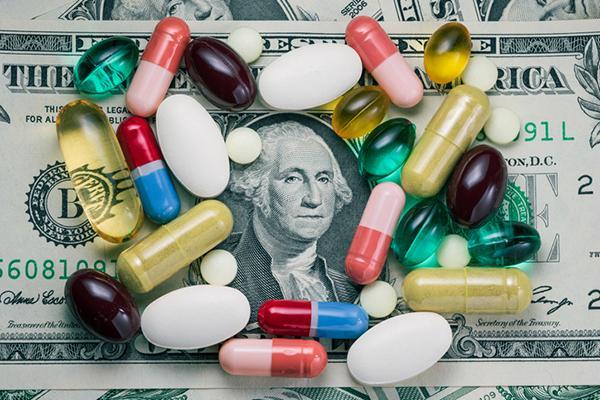
If you can practically hear your wallet cry out in pain every time you pick up medication at the pharmacy, there’s good reason. The sticker shock of prescription drugs is increasingly hard to ignore.
Prescription drug spending among Americans has jumped markedly over the past three decades, driven largely by high prices for brand-name medications, according to an article co-authored by Harvard cardiologist and health economist Dr. Dhruv Kazi. The research was published June 2, 2026, in Circulation.
Why medication costs vary so much
Drug prices are all over the map, with some generic drugs costing a few dollars a month and others — typically those treating cancer or rare diseases — priced at hundreds of thousands of dollars or more. Drug makers say it’s expensive to develop new medications and run the necessary clinical trials to prove their safety and effectiveness.
But while 84% of Americans have insurance that covers prescription drugs, out-of-pocket costs for some medications can still run hundreds or even thousands of dollars each month.
“It’s a golden age in medical discovery. We’re starting to address diseases that even five or seven years ago didn’t feel manageable,” says Dr. Kazi, the associate director and section head for health economics at the Richard A. and Susan F. Smith Center for Outcomes Research at Harvard-affiliated Beth Israel Deaconess Medical Center. “At the same time, health care in general is becoming more expensive and insurance coverage is becoming skimpier.”
Ways to lower medication costs without insurance
Dr. Kazi offers the following strategies to minimize how much you spend on prescription and over-the-counter drugs.
Ask your doctor a series of key questions. These include: Do I still need every medication I take? Is it safe to reduce my dose? Can I substitute a lower-cost or generic drug? “Sometimes, there might not be a generic but instead, two brands in the same drug class, and one could be substantially cheaper on your insurance,” he says.
Explore drug discount programs. Doctors and pharmacists can sometimes provide discount cards that can slash the price of your prescription — just ask. Additionally, large drug makers often sponsor medication assistance programs that either provide free medications to certain patients or offer coupons for discounts.
Buy in bulk. Purchasing a 90-day supply of medication can sometimes be cheaper than buying three separate 30-day supplies. This option is often part of mail-order programs run by insurers. “Getting your prescription drugs by mail can also be more convenient,” Dr. Kazi says.
Compare pharmacy prices. The same medication can cost dramatically different amounts at different pharmacies. Calling several pharmacies in your area for price checks before dropping off your prescription can lead to a better deal. But “it’s generally easier to get this information from your insurer than a pharmacy,” he says.
Check out direct-to-consumer drug platforms. In just the past two years, more than a dozen American drug manufacturers launched direct-to-consumer platforms, selling brand-name prescription drugs directly to patients. By doing so, they can offer certain drugs at lower prices since they bypass costly “middlemen” such as insurers and pharmacy benefit managers — companies that oversee prescription drug coverage for health insurers, including deciding which treatments plans will cover.
Compare store brands. Many over-the-counter remedies — including acetaminophen (Tylenol) and ibuprofen (Advil) — are sold in store-brand generic versions that are far cheaper than the name-brand option. “In the United States, our generics quality control is excellent,” Dr. Kazi notes. “You’re buying very similar drugs at significantly lower prices.”
What not to do when faced with high drug pricesSome people walk away from the pharmacy counter without their prescription drugs once they hear how much they’ll cost. Others may — without checking with their doctor — take medications less often than prescribed or reduce their dose. “In this economy, many people are trying to figure out whether they should fill their diabetes prescription this month or skip it to pay the utility bill,” says Harvard cardiologist and health economist Dr. Dhruv Kazi. But these are dangerous tactics, especially as medications become more powerful and effective. When people stop taking lifesaving medications, they may develop serious health problems — including uncontrolled diabetes, heart attack, or stroke — that can lead to hospitalization or death. Never stop taking a prescription drug without consulting a doctor. “The most catastrophic mistake you can make is to decide you can’t afford your medication and that your only option is to stop taking it,” Dr. Kazi says. |
Image: © OsakaWayne Studios/Getty Images
About the Author
Maureen Salamon, Executive Editor, Harvard Women's Health Watch
About the Reviewer
Dhruv Kazi, MD, MSc, MS, Contributor
Disclaimer:
As a service to our readers, Harvard Health Publishing provides access to our library of archived content. Please note the date of last review or update on all articles.
No content on this site, regardless of date, should ever be used as a substitute for direct medical advice from your doctor or other qualified clinician.