

People who walk more or walk faster live longer, study finds

Rosacea treatments: What works?

For sleep apnea, a dental device may be as effective as CPAP

Carb cycling: What is it, and does it work?

Salmonella, E. coli, Cyclospora, and other germs that cause food poisoning: What you need to know

Understanding orthorexia: Have your healthy eating goals gone too far?

Melatonin or magnesium: Can either supplement help you sleep?

Harvard study: Healthier fats linked to longer life after prostate cancer diagnosis

Naturally gluten-free foods

Shingrix shingles vaccine linked with lower heart disease risks
Digestive Health Archive
Articles

Adding ultrasound to mammography improves cancer detection rate

What are postbiotics?
Postbiotics are created by digestion. Like probiotics and prebiotics, they may contribute to gut health and overall health.

Gastroparesis: A slow-emptying stomach can cause nausea and vomiting
Gastroparesis is a condition that causes delay in the emptying of food from the stomach. This can cause uncomfortable symptoms like nausea, vomiting, and abdominal pain, and can affect nutrition and quality of life. Treatment may involve medication or a procedure, but a correct diagnosis is necessary first.

Cancer survivors' sleep is affected long after treatment
According to a new study, many people who have survived cancer treatment experience poor sleep long after treatment has ended. These people also reported emotional distress, financial hardship, and concern that their cancer might return. Many sleep disorders can be treated successfully, but an accurate diagnosis is essential to choosing the correct treatment.

Keep ultra-processed foods off the menu

Cancer report shows a mixed bag
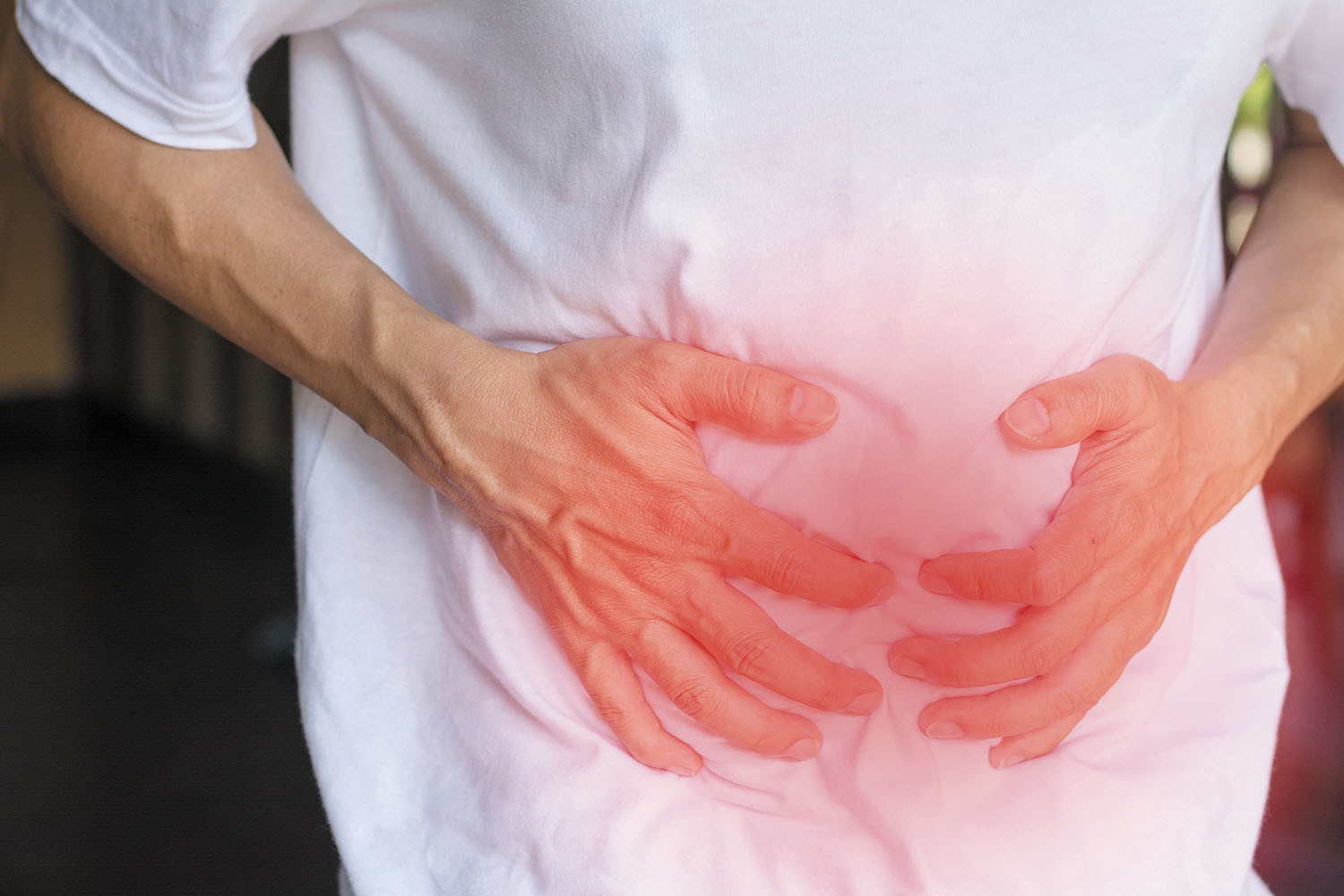
Inflammatory bowel disease on the rise in older adults
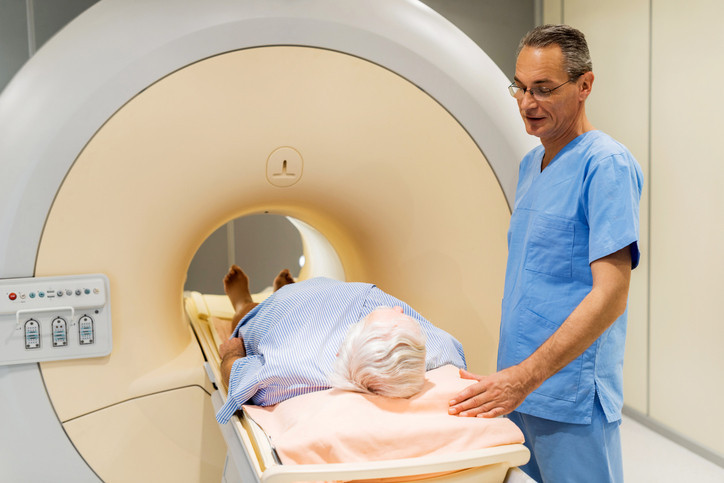
Radiation risk from medical imaging
Given the huge increase in the use of CT scans, concern about radiation exposure is warranted. Patients should try to keep track of their cumulative radiation exposure, and only have tests when necessary.


People who walk more or walk faster live longer, study finds
Rosacea treatments: What works?
For sleep apnea, a dental device may be as effective as CPAP
Carb cycling: What is it, and does it work?
Salmonella, E. coli, Cyclospora, and other germs that cause food poisoning: What you need to know
Understanding orthorexia: Have your healthy eating goals gone too far?
Melatonin or magnesium: Can either supplement help you sleep?
Harvard study: Healthier fats linked to longer life after prostate cancer diagnosis
Naturally gluten-free foods
Shingrix shingles vaccine linked with lower heart disease risks
Free Healthbeat Signup
Get the latest in health news delivered to your inbox!
Sign Up
