

Reading the current blood pressure guidelines

Oat vs. dairy milk: Nutrition, benefits, and downsides

Microplastics: A hidden health threat?

Healing after food poisoning

What is tempeh? Benefits, nutrition, and how to use it

Light exposure at night may raise risk for heart disease

Whole grains may improve several heart risk factors at once

A lumbar belt may help ease low back pain

Children of centenarians may stay healthier and live longer too, study finds

Signs of pneumonia: Sometimes vague and unexpected
Digestive Health Archive
Articles
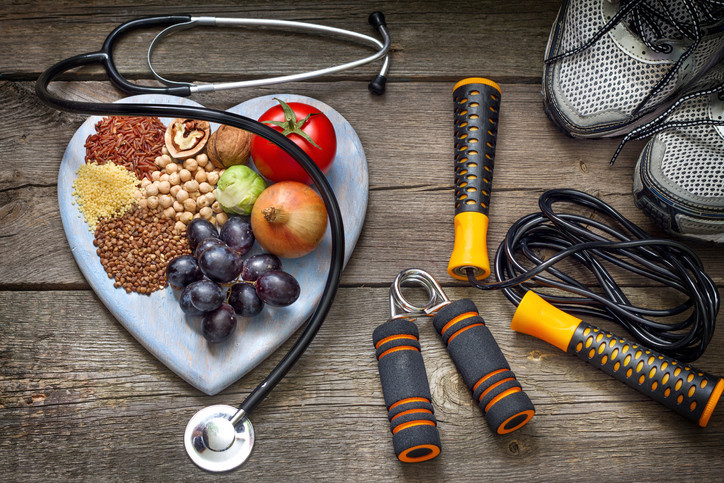
Five lifestyle factors that can help prevent gastroesophageal reflux disease

Is IBD an underrecognized health problem in minority groups?
Inflammatory bowel disease (IBD) is a treatable condition once considered a disease that largely affects people who are white, although in recent years it has been diagnosed more often in other racial and ethnic groups, in the US and around the world. Recognizing this condition early can make a difference in care and quality of life.
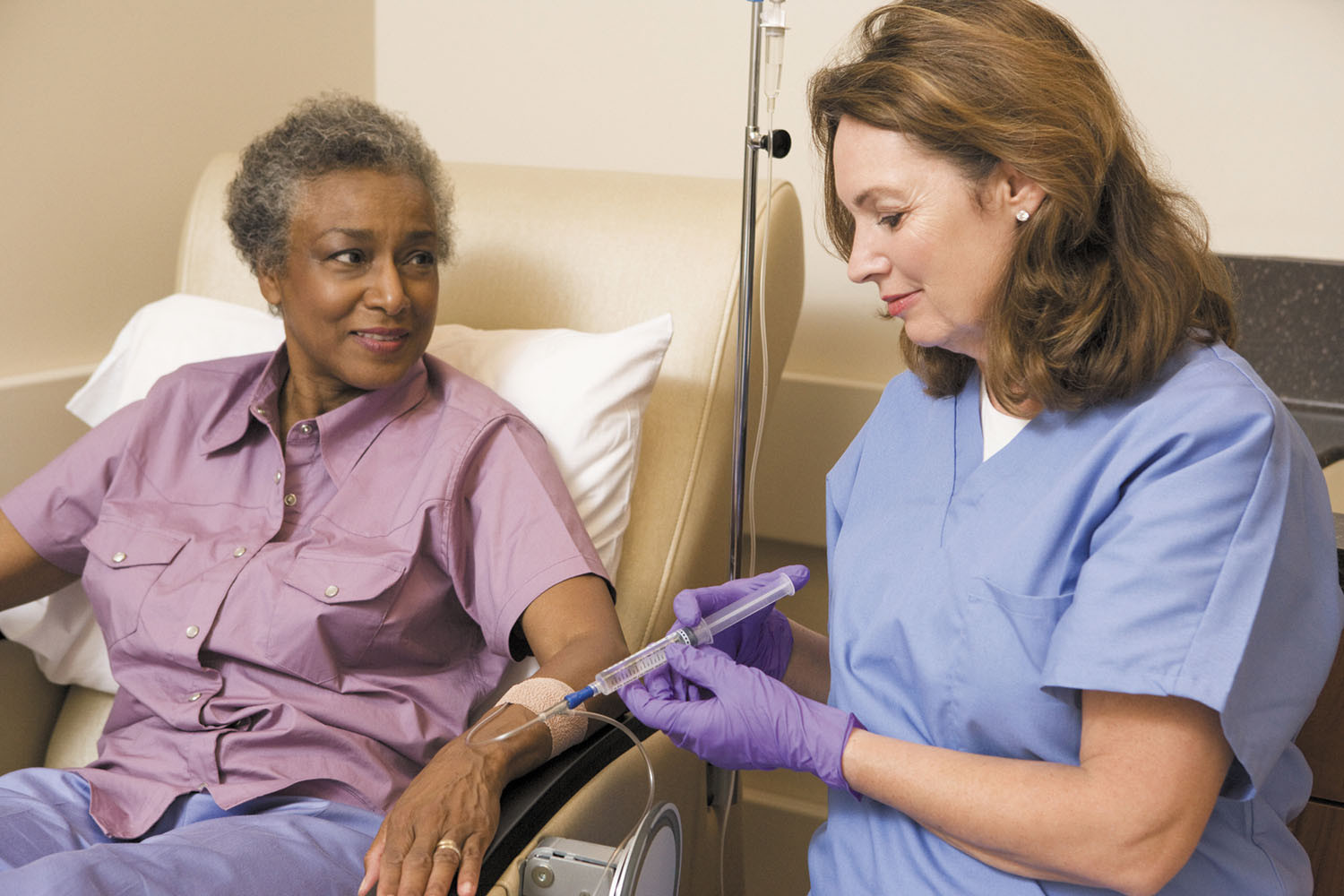
Cancer survivors: A higher risk of heart problems?
If you're among the nearly 17 million adults in this country who's had cancer, pay extra attention to your heart health.
Thanks to advances in early detection and treatment, people with cancer are living far longer than in past decades. But cancer survivors should be aware that cancer and its treatments can compromise cardiovascular health, according to a recent study from the CDC.
Researchers studied more than 840,000 adults, including about 69,000 cancer survivors, to see how much cancer "ages" the heart. They found that adult men treated for cancer had hearts that appeared to be 8.5 years older than their actual age, while the hearts of women who survived cancer appeared to be 6.5 years older.

Harvard finding: Aspirin tied to reduced colorectal cancer risk
News briefs
Regular aspirin use is associated with a reduced risk for developing colorectal cancer in older age — but you won't get the benefit if you start the therapy too late in life, according to a Harvard study published online Jan. 21, 2021, by JAMA Oncology. Researchers combined the results of two large studies involving a total of more than 94,000 people who answered health questionnaires regularly and were followed for three decades. Compared with people who didn't take aspirin, people ages 70 or older who took either 325 milligrams (mg) or 81 mg of aspirin at least twice per week had a 20% lower risk for developing colorectal cancer — but only if they had started the therapy by age 65. Starting aspirin therapy at or after age 70 was not associated with significant protection against colorectal cancer. The study was observational and does not prove whether aspirin can or cannot ward off colorectal cancer. But other observational studies have also shown an association between aspirin use and lower colorectal cancer risk. Like any medicine, aspirin isn't risk-free: regular use increases the risk for gastrointestinal bleeding. If you happen to be taking aspirin regularly for other reasons, this might be an added benefit.
Image: © Jupiterimages/Getty Images

Safety of LED nail lamps
Ask the doctors
Q. I was worried about drying my nails with a lamp or light box at the nail salon because of the potential risk of cancer from the ultraviolet radiation, but my salon recently switched to LED lamps. Are they safer?
A. The light boxes used to cure polish during gel manicures, and to dry traditional nail polish, have raised some concern because — like tanning beds — they emit ultraviolet A (UVA) radiation, which is associated with a higher cancer risk. A 2014 study in JAMA Dermatology found that the level of UVA exposure associated with a gel manicure every two weeks probably isn't high enough to increase the risk of skin cancer significantly, but you are wise to be aware of the issue.

Can some postmenopausal women with breast cancer skip chemotherapy?
Advances in breast cancer research have led to more personalized treatments, based on subtyping and more sophisticated testing. A risk assessment test can predict that some women do not need chemotherapy but will benefit from hormone therapy, and who might benefit more from both treatments.

Harvard researchers: Pill-free approaches help control heartburn
News briefs
Living a healthy lifestyle may be one of the best things you can do to tame the heartburn of gastroesophageal reflux disease (GERD), suggests a research letter published online Jan. 4, 2021, by JAMA Internal Medicine. Harvard researchers analyzed the self-reported health information of about 43,000 middle-aged women who were followed for 10 years. Women who adhered to five healthy lifestyle factors, regardless of whether they took heartburn medication, appeared to prevent nearly 40% of their GERD symptoms each week. The pill-free approaches included maintaining a healthy body weight (a body mass index between 18.5 and 24.9); not smoking; getting 30 minutes daily of moderate-to-vigorous physical activity; limiting coffee, tea, or soda to no more than 2 cups per day; and eating a healthy diet. "Each one of these factors may prevent the inappropriate relaxation of the sphincter muscle between the stomach and the esophagus, helping to keep acid from refluxing up and causing heartburn. For example, carrying extra weight around the waist can push on the stomach, forcing stomach acid up into the esophagus," says Dr. Raaj S. Mehta, lead author of the study and a gastroenterology fellow at Harvard-affiliated Massachusetts General Hospital.
Image: © kate_sept2004/Getty Images

Can diet help fight prostate cancer?
Can adopting a healthier diet help fight prostate cancer? That's a question men newly diagnosed with prostate cancer often ask their doctors.
Several studies have shown that in countries where men eat a typical "Western" diet containing a large amount of meat, the incidence of prostate cancer, especially aggressive prostate cancer, is higher than in countries where plant-based foods are a primary part of the diet. Unfortunately, these studies weren't designed to prove cause and effect. So for now, definitive answers about prostate cancer and diet aren't yet in — although researchers are actively studying this topic.

Racial disparities and early-onset colorectal cancer: A call to action
In the last decade, overall rates of colorectal cancer have been falling among the general population in the US. However, African Americans are more likely to develop colorectal cancer at younger ages, and to die from it. The reasons for this disparity are unclear, but they are rooted in socioeconomic and racial inequities.

Proposed guidelines likely to identify more early lung cancers
Reading the current blood pressure guidelines
Oat vs. dairy milk: Nutrition, benefits, and downsides
Microplastics: A hidden health threat?
Healing after food poisoning
What is tempeh? Benefits, nutrition, and how to use it
Light exposure at night may raise risk for heart disease
Whole grains may improve several heart risk factors at once
A lumbar belt may help ease low back pain
Children of centenarians may stay healthier and live longer too, study finds
Signs of pneumonia: Sometimes vague and unexpected
Free Healthbeat Signup
Get the latest in health news delivered to your inbox!
Sign Up
