

Naturally gluten-free foods

Harvard study: Healthier fats linked to longer life after prostate cancer diagnosis

Shingrix shingles vaccine linked with lower heart disease risks

Estrogen-only hormone therapy tied to lower dementia risk

Should you have a hysterectomy?

Stair climbing may significantly lower cardiovascular risks

Why do I sweat so much?
Walking pneumonia: The "mild" illness that can still pack a punch

What causes knee pain: How doctors make a diagnosis

Where you carry excess weight matters in predicting heart disease risk
Cancer Archive
Articles
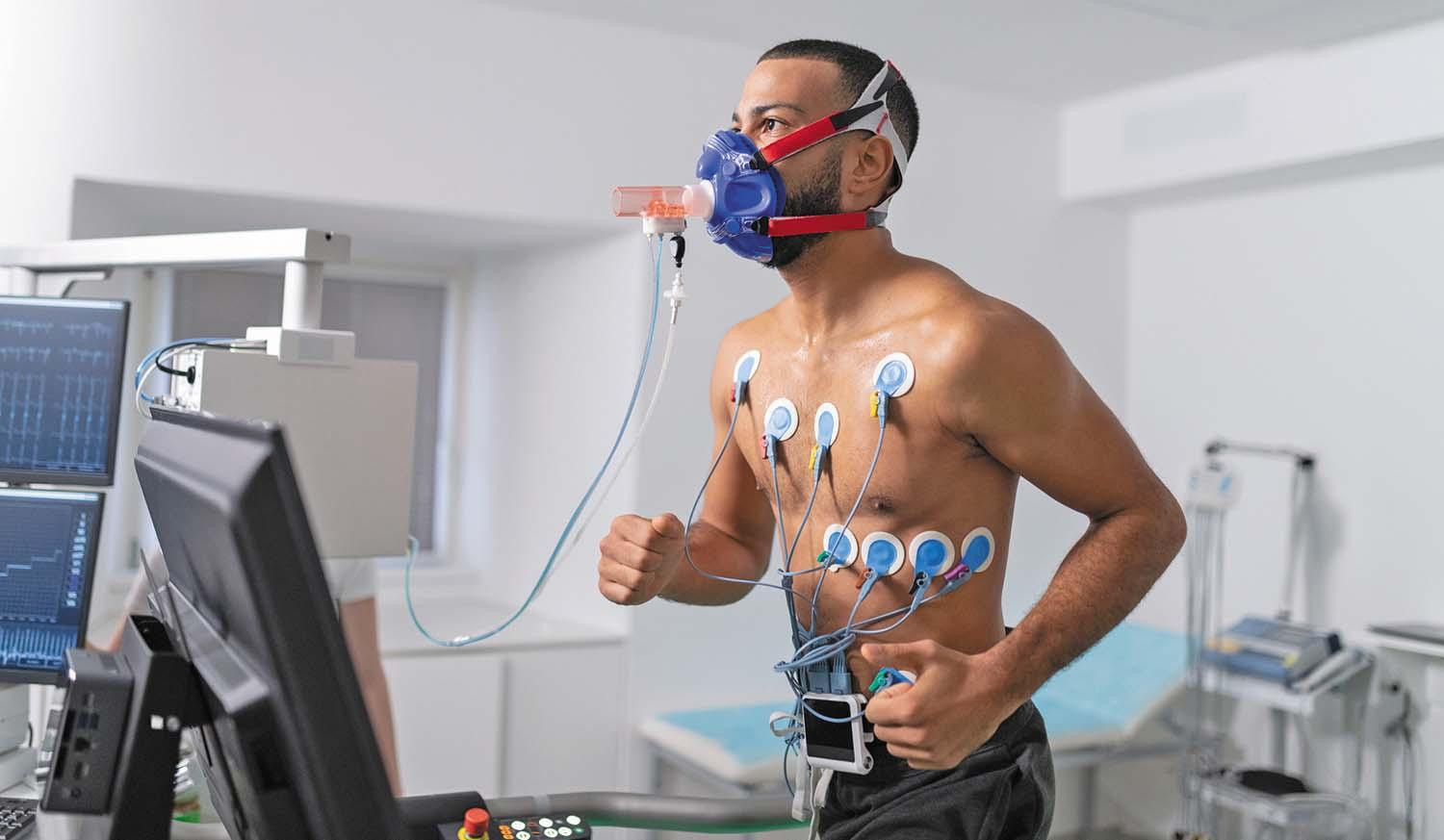
VO2 max: What it is and how you can improve it
VO2 max is a way to gauge how efficiently the body uses oxygen during exercise, offering a window into fitness and long-term health. People can usually improve it over time with consistent aerobic activity, intervals, and smart training changes.

GERD diet: Foods to avoid to reduce acid reflux
Dietary changes can make a big difference for people with gastroesophageal reflux disease (GERD). Foods to limit or avoid include chocolate, onions, and tomato sauce. Adjusting eating habits-by eating smaller portions, for example-might also help people avoid heartburn and other symptoms.


Risk-based breast screenings as effective as annual mammograms
A 2025 study suggests that adjusting the intensity of breast cancer screening based on individual risk factors is as effective as annual mammograms.
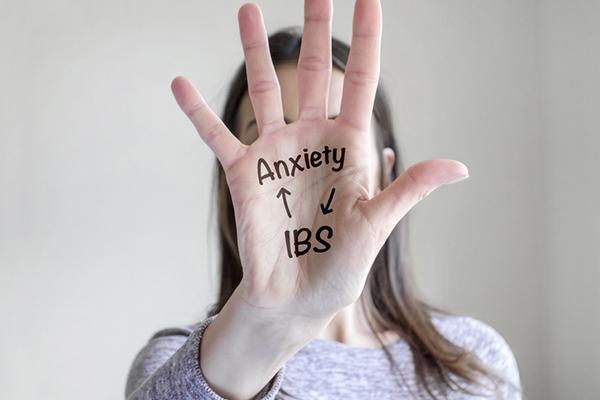
Easing the emotional burden of IBS
People with irritable bowel syndrome (IBS) often struggle with stress, anxiety, and depression. Cognitive behavioral therapy and gut-directed hypnotherapy have the strongest evidence for treating these IBS-related issues. Other interventions like aerobic exercise, yoga, acupuncture, and biofeedback also may be helpful.
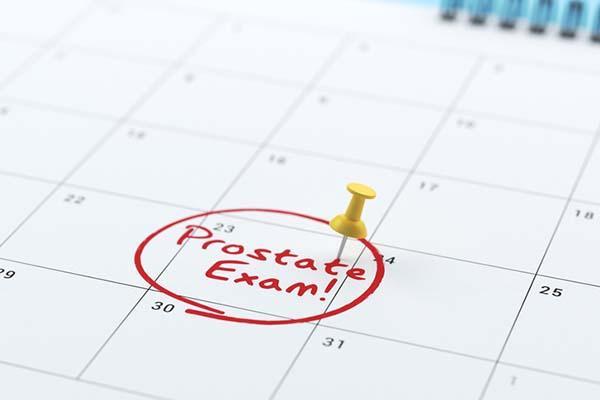
Prostate cancer screening keeps getting better
With advances beyond blood tests to screen for prostate cancer, men and their doctors now have additional-and better-information to guide diagnosis and potential treatment. Examples include MRI scans and also urine tests that look for biological markers of cancer.
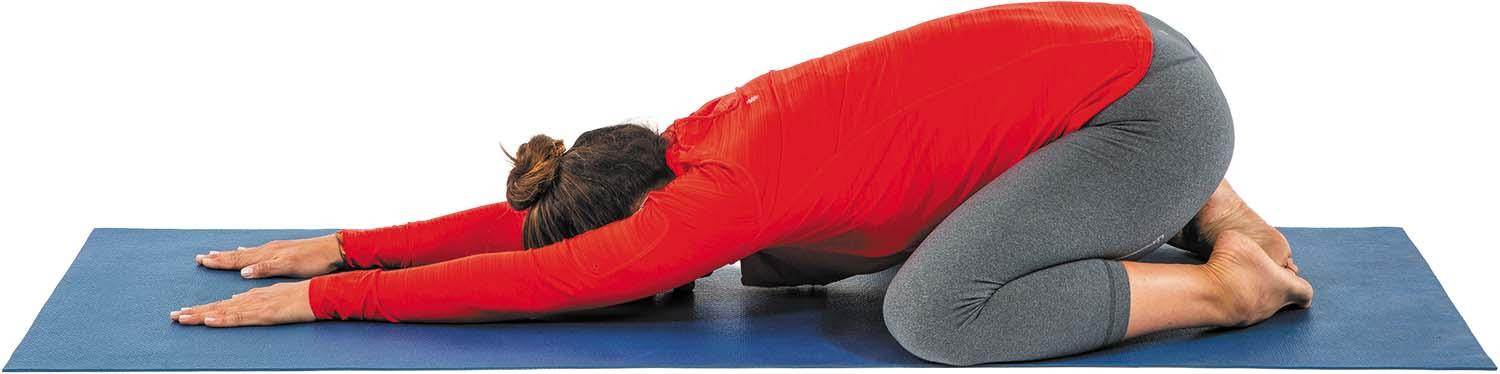
Pelvic floor exercises: Help for incontinence, sexual health, and more
Pelvic floor exercises can involve strengthening or stretching the muscles that support the bladder, bowel, and core. The exercises can lead to better bladder and bowel control. They can also help improve sexual function.
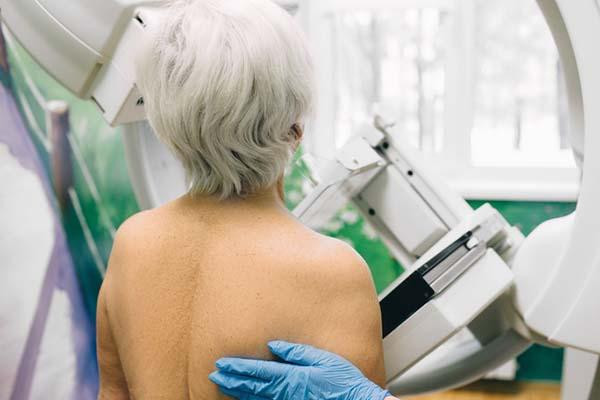
When can older women stop getting mammograms?
Mammogram screening guidelines for women 74 and older vary considerably. Randomized, controlled clinical trials have not examined the implications of screening mammograms in women 70 and older, and treating tumors unlikely to reduce life expectancy can harm women.
What are the early warning signs of cervical cancer?
Early signs of cervical cancer can include blood-tinged vaginal discharge, heavier discharge than usual, spotting or bleeding between periods, menstrual flow that’s heavier or lasts longer than usual, bleeding or pain during or after intercourse, and vaginal bleeding after menopause.

The head-scratching dilemma of itchy nipples and breasts
Itchiness of the breasts or nipples isn't common, but can signal conditions both harmless and serious. Minor reasons for itchiness across the bra area include eczema, psoriasis, exposure to soaps or detergents, trapped moisture, and pregnancy and breastfeeding. More serious causes include infections, breast surgery, radiation treatment, and certain rare forms of breast cancer. Any skin changes on the breast that don't improve over weeks should be evaluated by a doctor.
Naturally gluten-free foods
Harvard study: Healthier fats linked to longer life after prostate cancer diagnosis
Shingrix shingles vaccine linked with lower heart disease risks
Estrogen-only hormone therapy tied to lower dementia risk
Should you have a hysterectomy?
Stair climbing may significantly lower cardiovascular risks
Why do I sweat so much?
Walking pneumonia: The "mild" illness that can still pack a punch
What causes knee pain: How doctors make a diagnosis
Where you carry excess weight matters in predicting heart disease risk
Free Healthbeat Signup
Get the latest in health news delivered to your inbox!
Sign Up
