People with diabetes face higher risk of hearing loss
News briefs
- Reviewed by Robert H. Shmerling, MD, Senior Faculty Editor, Harvard Health Publishing; Editorial Advisory Board Member, Harvard Health Publishing
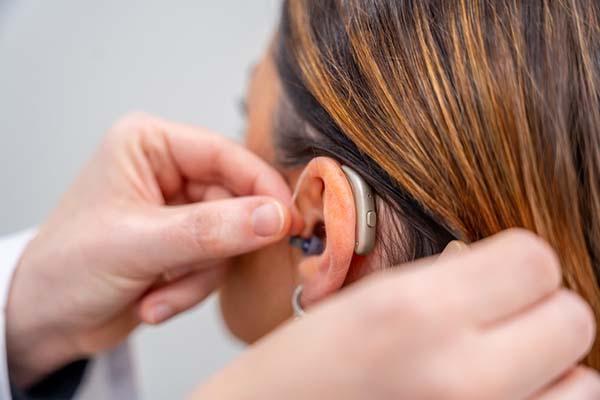
The high blood sugar levels associated with diabetes damage blood vessels over time, leading to such well-known complications as heart disease, kidney disease, vision problems from harm to the retina (retinopathy), and nerve damage (neuropathy). A study published in the November 2025 issue of Otolaryngology-Head and Neck Surgery reported another diabetes-associated complication: hearing loss.
Researchers analyzed data from 17 studies including a total of 3,910 people with diabetes and 4,084 people without it. Depending on the study, 41% to 72% of people with diabetes had hearing loss, revealing an average risk more than four times that of people without diabetes. The hearing loss tended to be most prominent at higher frequencies.
People with less well-controlled diabetes - as indicated by a higher level of hemoglobin A1c (which reflects average blood sugar over the past three months) - were more likely to have moderate to profound hearing loss. Having diabetes for 10 years or more doubled the risk of hearing loss.
If you have diabetes and notice even minor problems with your hearing, discuss it with your clinician. In addition to asking for a referral to an audiologist for a hearing evaluation, keeping your blood sugar levels well controlled may help prevent further ear damage.
Image: © iparraguirre recio/Getty Images
About the Author

Lynne Christensen, Staff Writer
About the Reviewer

Robert H. Shmerling, MD, Senior Faculty Editor, Harvard Health Publishing; Editorial Advisory Board Member, Harvard Health Publishing
Disclaimer:
As a service to our readers, Harvard Health Publishing provides access to our library of archived content. Please note the date of last review or update on all articles.
No content on this site, regardless of date, should ever be used as a substitute for direct medical advice from your doctor or other qualified clinician.