Musculoskeletal syndrome of menopause: When menopause makes you ache all over
The newly coined name describes a potentially debilitating set of common symptoms.
- Reviewed by Deborah Gomez Kwolek, MD, FACP, FAMWA, MSCP, Editorial Advisory Board Member, Harvard Health Publishing

One day you’re leaping out of bed like a kid on a trampoline, and the next, every joint and muscle in your body seems to ache.
If you’re in perimenopause or beyond, it’s not your imagination. It may be musculoskeletal syndrome of menopause, a newly recognized condition that links falling estrogen levels to widespread joint and muscle pain, stiffness, fatigue, and other symptoms.
Named in October 2024 by the authors of a paper in the journal Climacteric, musculoskeletal syndrome of menopause affects an estimated 70% of women during perimenopause and menopause, proving debilitating to nearly a quarter of them.
The new term effectively captures a phenomenon Dr. Deborah Gomez Kwolek has been witnessing in her patients for three decades.
“Not many doctors are comfortable with or trained in menopause, so a lot of women affected by these symptoms aren’t getting good answers,” says Dr. Gomez Kwolek, an internal medicine physician and menopause expert at Harvard-affiliated Mass General Brigham. “It’s important to give the problem a name, so we can really talk about it, study it, and pay attention to it.”
Low estrogen and joint pain
Women might assume new aches and pains are just part of aging or overuse, but the timing with menopause is no coincidence, Dr. Gomez Kwolek says. More than a million women in the United States go through the transition every year, according to the National Institute on Aging, but it doesn’t just affect the reproductive system.
Estrogen receptors are found throughout the body, including in the joints, ligaments, tendons, and bones. That means the drastic reduction in estrogen at midlife can affect the entire musculoskeletal system, reducing muscle mass and bone density as well as causing menopause-related body aches.
“The body ‘likes’ estrogen — it helps support the health of all your tissues,” Dr. Gomez Kwolek says. “So to me, it’s no surprise that as those levels go down, it’s going to bring on symptoms.”
Discomfort from musculoskeletal syndrome of menopause can move around or stay concentrated in certain joints (such as the shoulder). It’s also different from fibromyalgia — which is similarly characterized by widespread musculoskeletal pain — because it tends to improve with hormone therapy or other treatments that support estrogen levels, Dr. Gomez Kwolek says.
Pinpointing a diagnosis
Getting an accurate diagnosis of musculoskeletal syndrome of menopause can be tricky, since many clinicians don’t yet use the term, Dr. Gomez Kwolek says. But seek help if your symptoms disrupt movement or sleep, your joints swell, or fatigue or stiffness worsen.
As noted above, prescribing hormone therapy can sometimes help doctors pinpoint the diagnosis when estrogen pills, patches, or creams help alleviate musculoskeletal symptoms. (See “Treatment and relief options.”)
“Estrogen is a catalyst, but not the only factor,” Dr. Gomez Kwolek says. “If you give back the hormones, it can mitigate much of this. But if your shoulder still hurts, for example, we’ll know it wasn’t just the hormones.”
To assist the diagnostic process, Dr. Gomez Kwolek suggests discussing these points with your doctor:
- when symptoms began in relation to perimenopause or menopause
- whether your discomfort is localized or widespread
- other menopause symptoms you’re experiencing, such as hot flashes, sleep disruption, and mood changes
- whether any medications you’re using, such as statins, might be contributing to muscle or joint aches.
Testing can rule out other possible causes, which may include osteoarthritis, thyroid problems, or autoimmune conditions.
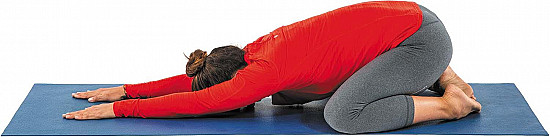
Treatment and relief optionsNo, you can’t make menopause go away. But you’re not necessarily stuck with the discomfort that characterizes musculoskeletal syndrome of menopause. An array of treatment approaches can ease menopause-related body aches as well as other symptoms, says Dr. Deborah Gomez Kwolek, an internal medicine physician and menopause expert at Massachusetts General Hospital. She suggests the following measures: Hormone therapy can replenish some of your lost estrogen, improving joint lubrication and lessening pain. Regular physical activity such as walking, swimming, gentle stretching, or yoga keeps joints flexible. Restorative sleep helps keep inflammation levels in check and minimizes pain perception. Strength training maintains and builds new muscle, which supports joints. Anti-inflammatory foods such as colorful fruits and vegetables tamp down bodywide inflammation that can fuel musculoskeletal pain. It’s also wise to limit added sugars, which can increase inflammation. Heat, ice, and massage complement other methods of pain relief. |
Image: © Vladimir Vladimirov/Getty Images
About the Author

Maureen Salamon, Executive Editor, Harvard Women's Health Watch
About the Reviewer

Deborah Gomez Kwolek, MD, FACP, FAMWA, MSCP, Editorial Advisory Board Member, Harvard Health Publishing
Disclaimer:
As a service to our readers, Harvard Health Publishing provides access to our library of archived content. Please note the date of last review or update on all articles.
No content on this site, regardless of date, should ever be used as a substitute for direct medical advice from your doctor or other qualified clinician.