

CoQ10: Should you take this popular supplement if you're on a statin?

Microplastics: A hidden health threat?

Oat vs. dairy milk: Nutrition, benefits, and downsides

What is tempeh? Benefits, nutrition, and how to use it

Healing after food poisoning

Children of centenarians may stay healthier and live longer too, study finds

Light exposure at night may raise risk for heart disease

Whole grains may improve several heart risk factors at once

A lumbar belt may help ease low back pain

Signs of pneumonia: Sometimes vague and unexpected
Cancer Archive
Articles

Are colon cleanses safe?
Colon cleanses are marketed to help detoxify the body, boost weight loss and immune function, and increase energy. But the colon removes toxins on its own. Colon cleanses also pose multiple health risks.

Olive oil may reduce breast cancer risk
A 2025 study suggests that consuming more olive oil may lower women's risk of developing breast cancer, especially certain more aggressive types.

Lessons from women on longevity
Women live longer than men. However, that longevity gap in the United States has increased to 5.8 years, the largest gap since 1996, according to a 2024 study. Why the widening gap? Researchers believe that in many cases, women are better than men at addressing certain health needs that contribute to longer lives, such as losing excess weight, quitting smoking, getting regular skin check-ups, and not ignoring mental health issues.
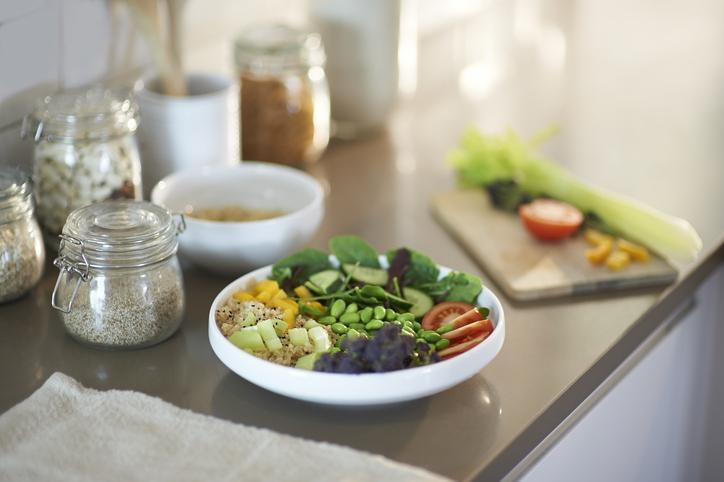
Plant-based diets may help lower the risk of chronic constipation
Eating a plant-based diet may help people lower their risk for chronic constipation, according to a 2025 study. This effect may be due, at least in part, to the high fiber content of plant-based diets.
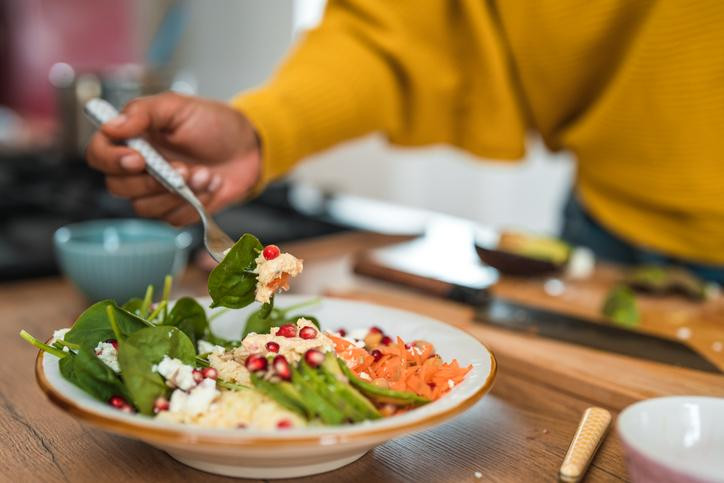
Mediterranean and plant-based diets might keep you regular
A 2025 Harvard study found that people who most closely adhered to a Mediterranean or a plant-based diet had up to a 20% lower risk for chronic constipation, compared with people who followed other eating patterns.

Is constant gum-chewing a bad idea?
Evidence suggests that chewing gum can help people feel more focused and less stressed. Chewing sugar-free versions can hinder cavities. But constant gum-chewing can tire jaw muscles, and xylitol-containing gum can trigger abdominal distress.

Decoding your breast cancer risk
Breast cancer risk assessment scores can enable clinicians to estimate a woman's risk of developing invasive breast cancer over the next five years, as well as her lifetime risk. The tools ask users about myriad factors that influence breast cancer risk. But risk calculators don't necessarily provide the kind of precision and insight some women seek. A risk score can't tell a woman for certain whether she will or won't develop breast cancer. Risk calculators typically also don't determine when or how often most women should seek mammograms.
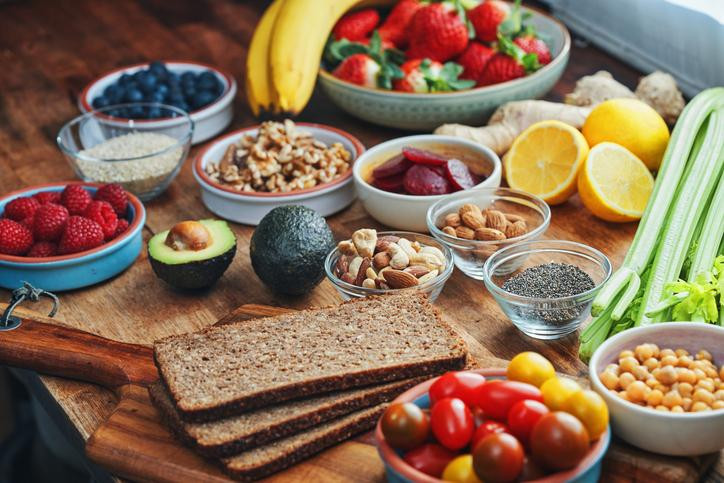
DASH diet tied to lower colorectal cancer risk
A 2025 research review found that adhering to the DASH diet-which emphasizes eating fruits, vegetables, lean protein, whole grains, nuts, and low-fat dairy products-is linked to a lower risk of developing colorectal cancer.
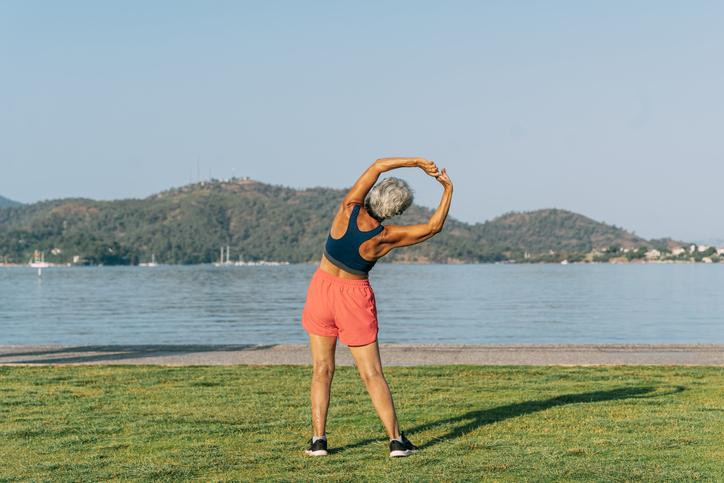
Exercise boosts colon cancer survival
In a 2025 study of about 900 people treated for colon cancer (followed for an average of eight years), people who took part in a supervised exercise program for three years had about 30% better odds of surviving, compared with people who weren't in the program.

Second-guessing symptoms
While many health symptoms resolve quickly on their own, others linger and make people wonder if they need to see a doctor. Symptoms that warrant a doctor's visit include drawn-out cold symptoms such as fatigue, cough, and low-grade fever; a fever lasting more than four days; unexpected symptoms when starting a new medication or after surgery; certain digestive problems; and new or worsening mental health issues.
CoQ10: Should you take this popular supplement if you're on a statin?
Microplastics: A hidden health threat?
Oat vs. dairy milk: Nutrition, benefits, and downsides
What is tempeh? Benefits, nutrition, and how to use it
Healing after food poisoning
Children of centenarians may stay healthier and live longer too, study finds
Light exposure at night may raise risk for heart disease
Whole grains may improve several heart risk factors at once
A lumbar belt may help ease low back pain
Signs of pneumonia: Sometimes vague and unexpected
Free Healthbeat Signup
Get the latest in health news delivered to your inbox!
Sign Up
