

CoQ10: Should you take this popular supplement if you're on a statin?

Microplastics: A hidden health threat?

Oat vs. dairy milk: Nutrition, benefits, and downsides

What is tempeh? Benefits, nutrition, and how to use it

Healing after food poisoning

Children of centenarians may stay healthier and live longer too, study finds

Light exposure at night may raise risk for heart disease

A lumbar belt may help ease low back pain

Whole grains may improve several heart risk factors at once

Signs of pneumonia: Sometimes vague and unexpected
Cancer Archive
Articles

Do our microbes affect our behavior?
Scientists wonder if gut microbes might influence behavior in animals, including humans. Some studies suggest a link. For example, a 2022 study suggested that gut microbes can influence an animal's motivation to exercise. Scientists speculate that the same might be true in humans. Other studies have found that a parasite called Toxoplasma gondii is tied to risky behavior in lab mice and risk-taking behaviors in humans. Scientists now even consider it conceivable that gut microbes might influence things like human intelligence, attitudes, empathy, and more, although the idea has yet to be proved.

Fighting the most common skin cancers
The most common non-melanoma skin cancers are basal cell carcinomas and squamous cell carcinomas. They aren’t usually life-threatening, but they can be quite dangerous. They can bleed, hurt, and eat away at skin. If left untreated, they can erode through important structures like the nose, eyes, bones, or muscles. If they become very large, they can spread, and in rare cases cause death. Treatment ranges from scraping out skin cancers with surgical tools to Mohs surgery, a procedure that spares as much healthy skin as possible.

COVID-19 or something else?
Many COVID-19 symptoms — such as fever, cough, or muscle aches — overlap with the symptoms of other respiratory conditions, such as influenza, a common cold, or asthma. But there are differences among the conditions. For example, a bout of the flu or a cold will not cause shortness of breath the way COVID-19 will. And while asthma can cause shortness of breath, it won't cause a fever or body aches the way COVID-19 will. A person who's experiencing concerning symptoms of respiratory illness should report them to a doctor.

Prostate cancer in transgender women
The increasing size and visibility of the transgender population has implications for public health. Hormone treatment given to transgender women lowers the overall risk of prostate cancer, but the risk of a trans woman developing the disease is not zero.

Can long COVID affect the gut?
Some people who have been infected with the virus that causes COVID-19 have experienced lingering effects like low energy and brain fog. Could gastrointestinal problems be another aftereffect of the virus?

Late-stage cervical cancer on the rise: What to know
Cervical cancer is curable when caught early through routine screening, so research showing a surprising rise in advanced cancer cases in some groups is worrisome. Two Harvard experts share insights about the research and advice on how people can best protect themselves.
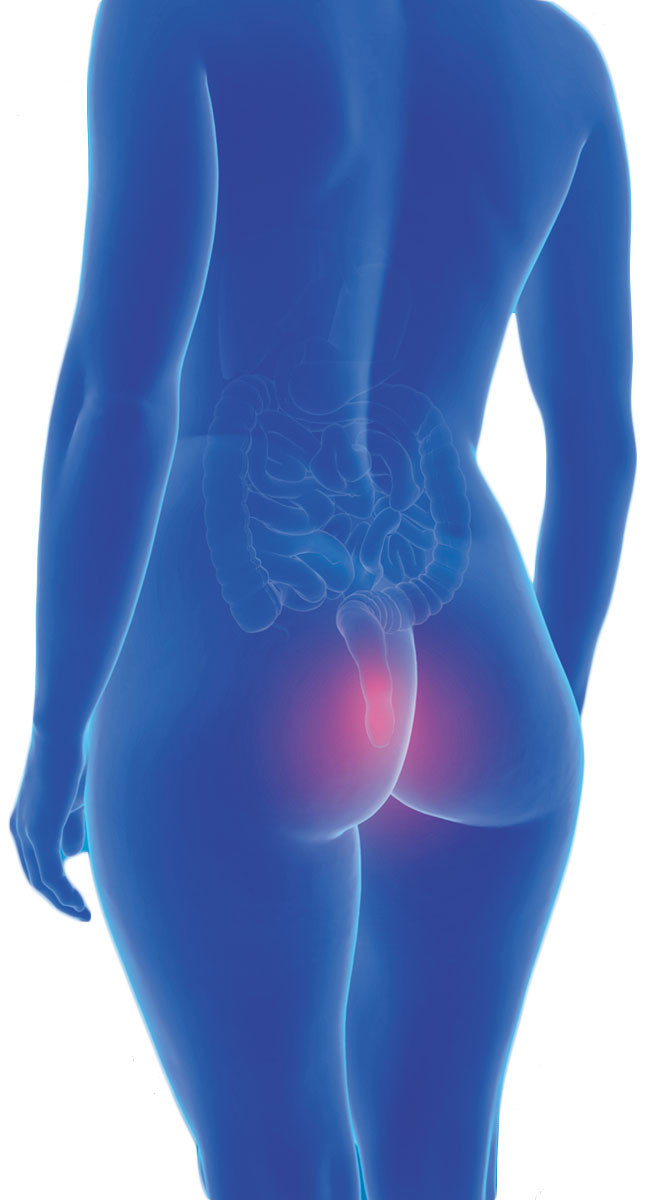
A pain in the rear
Everyone is born with the blood vessels that underlie hemorrhoids, but they may become problematic when they enlarge. Half of people have symptoms by age 50 that include pain, itching, swelling, and bleeding. Home remedies such as pain relievers, topical creams and ointments, sitz baths, and cold compresses don't eradicate hemorrhoids. In-office procedures can cut off blood supply to internal hemorrhoids, allowing them to fall off. Surgery is the only definitive treatment option for external hemorrhoids visible at the anus.

Healthy gut, healthy heart
The gut is home to trillions of microbes, collectively known as the gut microbiota, which help with digestion, manufacture certain nutrients, and release various substances that have wide-ranging health effects, including on cardiovascular health. As diet plays a significant role in the composition of the gut microbiota, people's diet can indirectly affect heart health. Following a plant-based diet that emphasizes less red meat and more fiber can support the gut and its heart-healthy benefits.

Do I still need a colonoscopy?
A 2022 study led to questions regarding whether colonoscopy is the best strategy to reduce the risk of death from colon cancer. But overwhelming evidence supports the procedure for lowering the risk of colon cancer and related death, and experts continue to recommend people at average risk get at least one colonoscopy beginning at age 45.

When cancer treatment affects the heart
Side effects from both older and newer cancer therapies can affect the heart and blood vessels, possibly causing serious, sometimes life-threatening complications. People diagnosed with any type of cancer should ask their doctor whether their planned treatment might lead to cardiovascular problems. Those ages 65 and older and anyone with risk factors for heart disease (such as high blood pressure or diabetes) may want to request a referral to a cardio-oncologist. These specialists focus on preventing and managing cardiovascular problems in people who are undergoing (or have completed) treatment for cancer.
CoQ10: Should you take this popular supplement if you're on a statin?
Microplastics: A hidden health threat?
Oat vs. dairy milk: Nutrition, benefits, and downsides
What is tempeh? Benefits, nutrition, and how to use it
Healing after food poisoning
Children of centenarians may stay healthier and live longer too, study finds
Light exposure at night may raise risk for heart disease
A lumbar belt may help ease low back pain
Whole grains may improve several heart risk factors at once
Signs of pneumonia: Sometimes vague and unexpected
Free Healthbeat Signup
Get the latest in health news delivered to your inbox!
Sign Up
