

CoQ10: Should you take this popular supplement if you're on a statin?

Microplastics: A hidden health threat?

Oat vs. dairy milk: Nutrition, benefits, and downsides

What is tempeh? Benefits, nutrition, and how to use it

Healing after food poisoning

Children of centenarians may stay healthier and live longer too, study finds

Light exposure at night may raise risk for heart disease

A lumbar belt may help ease low back pain

Whole grains may improve several heart risk factors at once

Signs of pneumonia: Sometimes vague and unexpected
Cancer Archive
Articles
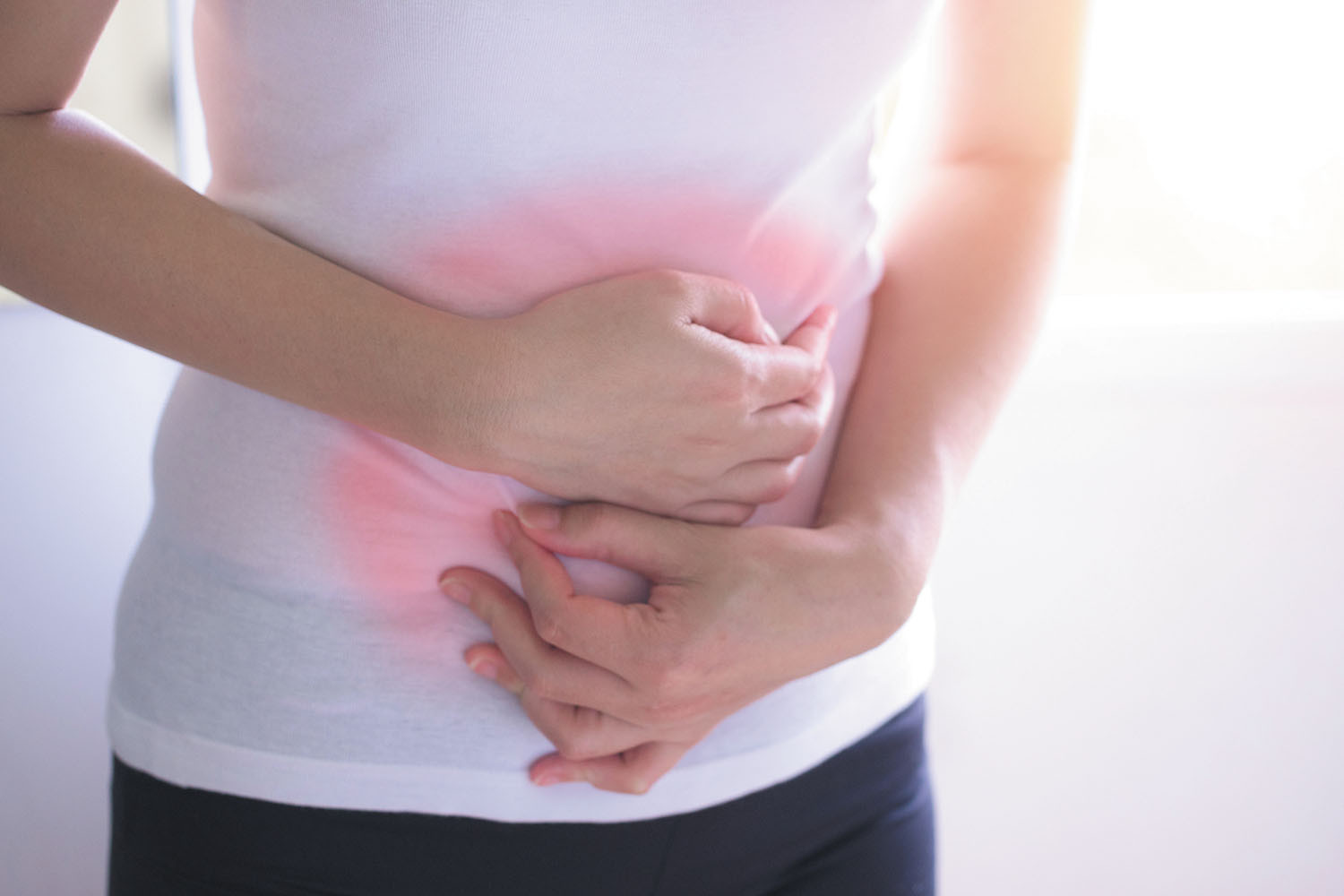


What is a hiatal hernia?
A hiatal hernia occurs when the stomach slides through a natural hole in the diaphragm, which can lead to acid reflux.

Is cheese a healthy source of probiotics?
Some types of cheese, including Swiss and Gouda, are a good source of probiotics, but eat cheese in moderation.

Are inflammatory bowel disease and irritable bowel syndrome the same?
Irritable bowel syndrome (IBS) and inflammatory bowel disease (IBD) are different, though they can have similar symptoms. IBS symptoms seem to arise from hypersensitive nerves and abnormal muscle contractions in the digestive tract, while IBD results from a problem with the immune system causing inflammation.


Healthy gut, healthier aging
Keeping the gut microbiome diverse is good for health and may even be tied to healthier aging. To maintain such diversity, it helps to eat a healthy diet that includes lots of fiber, which gut microbes eat. Also, exercise may be helpful to the gut microbiome, since exercise may change the rate at which material moves through the intestines. Other ways to promote a healthy gut microbiome including getting a dog, which exposes us to more microbes; quitting smoking, which relieves stress on gut microbes; and maybe eating more probiotic-rich foods, which may boost beneficial bacteria in the gut.

Older women disproportionately diagnosed with advanced cervical cancer
A 2023 study indicates that women 65 and older are diagnosed with advanced cervical cancer more often than younger women, and they have a worse prognosis.
CoQ10: Should you take this popular supplement if you're on a statin?
Microplastics: A hidden health threat?
Oat vs. dairy milk: Nutrition, benefits, and downsides
What is tempeh? Benefits, nutrition, and how to use it
Healing after food poisoning
Children of centenarians may stay healthier and live longer too, study finds
Light exposure at night may raise risk for heart disease
A lumbar belt may help ease low back pain
Whole grains may improve several heart risk factors at once
Signs of pneumonia: Sometimes vague and unexpected
Free Healthbeat Signup
Get the latest in health news delivered to your inbox!
Sign Up
