

People who walk more or walk faster live longer, study finds

Rosacea treatments: What works?

For sleep apnea, a dental device may be as effective as CPAP

Carb cycling: What is it, and does it work?

Understanding orthorexia: Have your healthy eating goals gone too far?

Melatonin or magnesium: Can either supplement help you sleep?

Salmonella, E. coli, Cyclospora, and other germs that cause food poisoning: What you need to know

Naturally gluten-free foods

Harvard study: Healthier fats linked to longer life after prostate cancer diagnosis

Shingrix shingles vaccine linked with lower heart disease risks
Bones and joints Archive
Articles


How to treat shoulder impingement
Shoulder impingement occurs when tendons or bursae are compressed, often causing pain when reaching overhead or behind you. It's linked to poor posture, weak rotator cuff muscles, and tight chest muscles. Strengthening, posture correction, and stretching usually relieve symptoms.
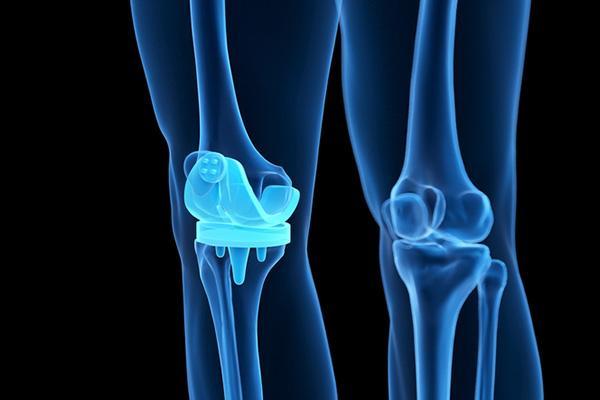
Advancements in knee replacement: More precise and personalized
Total knee replacement can relieve pain and restore function for people with knee osteoarthritis. Innovations, such as robotic-assisted surgery, personalized 3D-printed implants, and enhanced protocols for rehabilitation and pain control, aim to further improve results.
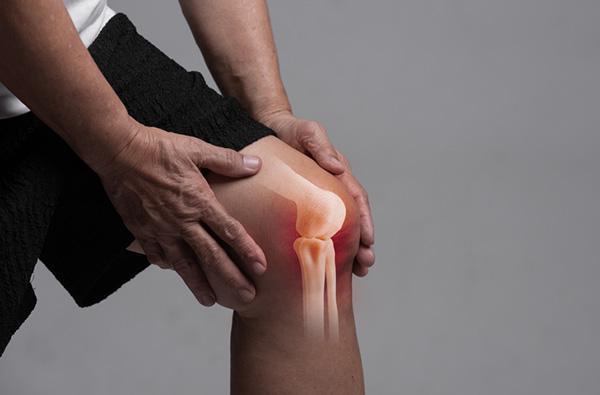
How to cope with bone-on-bone joint pain
"Bone-on-bone" is a common description for advanced osteoarthritis, when the cartilage in a joint wears away completely. Symptoms, including pain, stiffness, and limited motion, can be managed with physical therapy, weight loss, pain medications, injections, and possibly joint replacement.
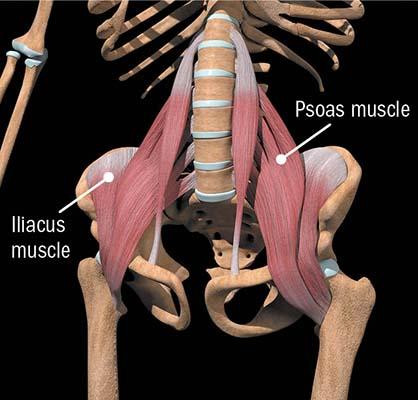
Try these stretches to avoid sore hips
Hours spent sitting can leave a person's hips feeling stiff and sore, often because the hip flexor muscles have tightened and shortened. Understanding how these muscles work and practicing simple stretches regularly can relieve discomfort and improve flexibility.
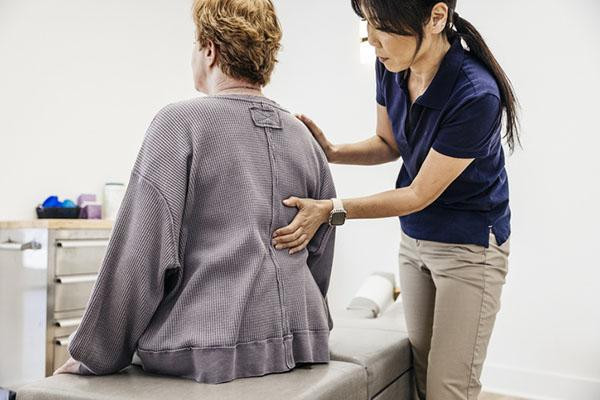
Don't wait to get help for back pain
Low back pain is common. It often results from poor posture, bad ergonomics, unusual movement patterns, and age-related spinal changes. Ignoring pain can lead to muscle weakness and instability. Early care, including physical therapy, helps relieve pain and prevent future problems.
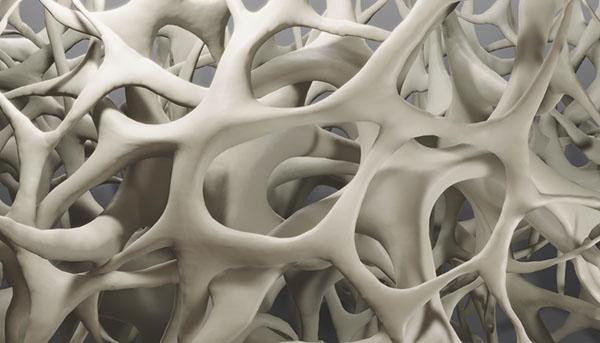
Everyday habits that sneakily weaken your bones
A variety of everyday habits can stealthily reduce bone health. These include consuming too little calcium, excessive caffeine or soda, inadequate protein, and large amounts of alcohol, as well as smoking, being sedentary, dieting frequently, or taking certain medications.
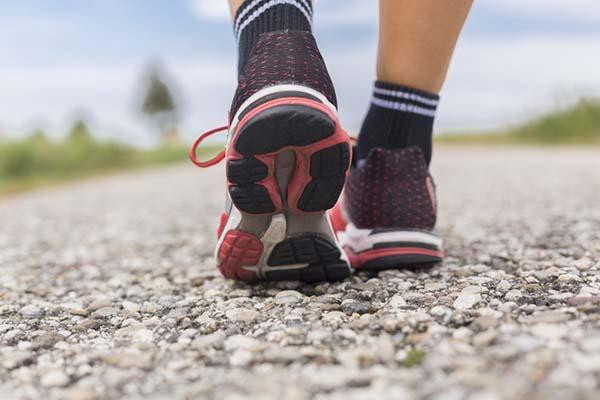
Correcting how you walk may ease osteoarthritis knee pain
For people with knee osteoarthritis, walking pattern (called gait) matters. Pain can lead to habits like shuffling or shortening steps, increasing joint stress. Gait training, along with strengthening, stretching, and balance, can help normalize walking, improve stability, and reduce knee strain.
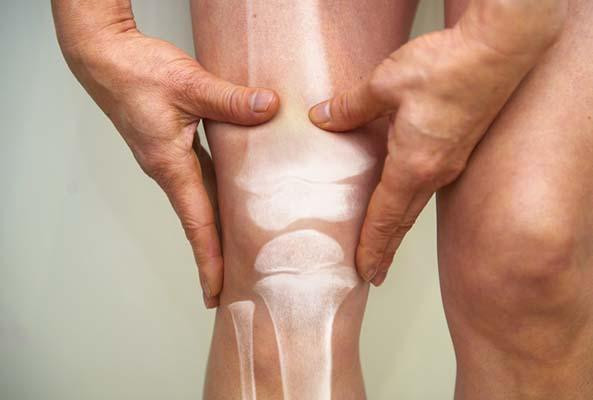
Reproductive factors may raise women's osteoporosis risk
A 2025 study suggested that women with a history of infertility, miscarriage, or stillbirth or who have borne just one child or no children may be likelier to eventually develop osteoporosis.
People who walk more or walk faster live longer, study finds
Rosacea treatments: What works?
For sleep apnea, a dental device may be as effective as CPAP
Carb cycling: What is it, and does it work?
Understanding orthorexia: Have your healthy eating goals gone too far?
Melatonin or magnesium: Can either supplement help you sleep?
Salmonella, E. coli, Cyclospora, and other germs that cause food poisoning: What you need to know
Naturally gluten-free foods
Harvard study: Healthier fats linked to longer life after prostate cancer diagnosis
Shingrix shingles vaccine linked with lower heart disease risks
Free Healthbeat Signup
Get the latest in health news delivered to your inbox!
Sign Up
