

People who walk more or walk faster live longer, study finds

Rosacea treatments: What works?

For sleep apnea, a dental device may be as effective as CPAP

Carb cycling: What is it, and does it work?

Understanding orthorexia: Have your healthy eating goals gone too far?

Melatonin or magnesium: Can either supplement help you sleep?

Salmonella, E. coli, Cyclospora, and other germs that cause food poisoning: What you need to know

Naturally gluten-free foods

Harvard study: Healthier fats linked to longer life after prostate cancer diagnosis

Shingrix shingles vaccine linked with lower heart disease risks
Bones and joints Archive
Articles

Prompt treatment for head injury may lower your risk of dementia
A 2025 study found that people ages 50 to 90 who received treatment within one week after a moderate or severe traumatic brain injury had a 41% lower risk of developing Alzheimer's disease over the following three years, suggesting that early treatment may be important.
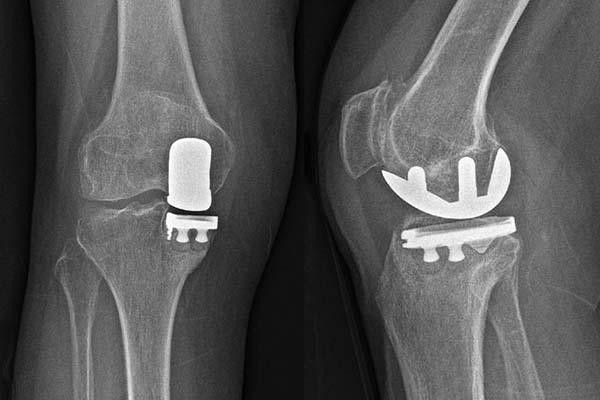
Partial knee replacement as effective as total replacement for select patients
A 2025 study found that for people with advanced knee osteoarthritis in which the damage is limited to one side of the joint, partial knee replacement is as effective as total knee replacement for pain relief and improved function and carries a similar need for additional surgeries within 10 years.

Driving with arthritis pain: Stay comfortable - and safe - behind the wheel
The pain and stiffness of arthritis can make driving difficult, affecting range of motion, grip, and getting in and out of a car. Managing symptoms, using adaptive devices, positioning yourself correctly in the car, and knowing your limits can help you drive comfortably and safely.


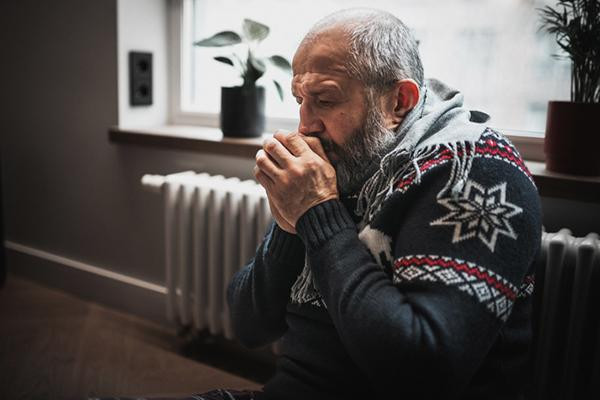
Why do I feel so cold all the time?
Several conditions can cause people to feel cold when others are comfortable. These include low body weight, an underactive thyroid, low red blood cell count (anemia), and Raynaud's phenomenon.
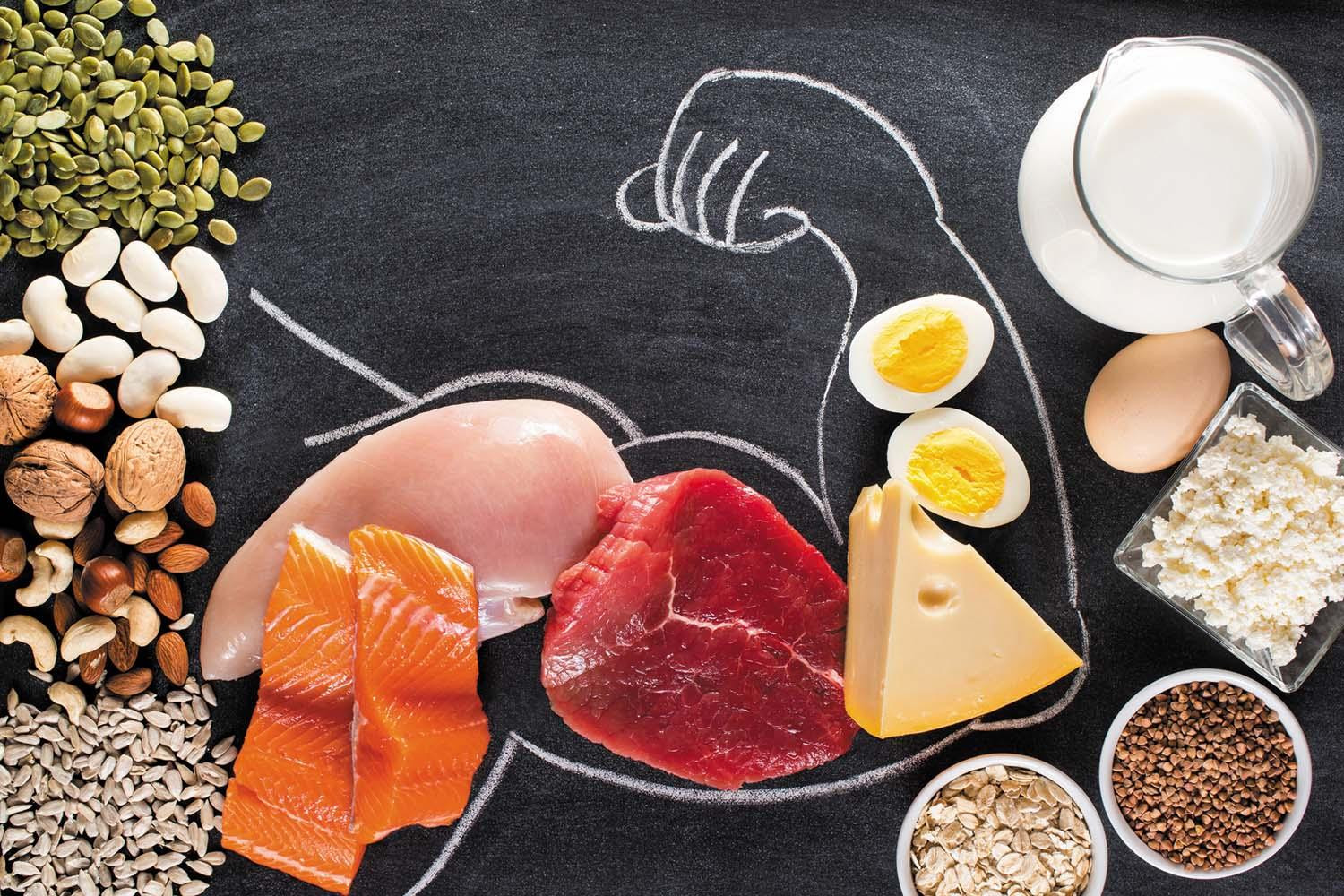
Maximize your muscle defense: Protein is key to protection
Muscle loss is common after middle age. To counter muscle loss, it's essential to strength train regularly and consume lots of protein. Whole foods are the best sources of protein, but protein supplements might also be used.

Safe and effective high-intensity interval training
High-intensity interval training alternates short bursts of hard effort with recovery, boosting aerobic fitness, heart health, and muscle in less time. For older adults, adjusting intensity to current fitness levels helps keep HIIT safe and effective.
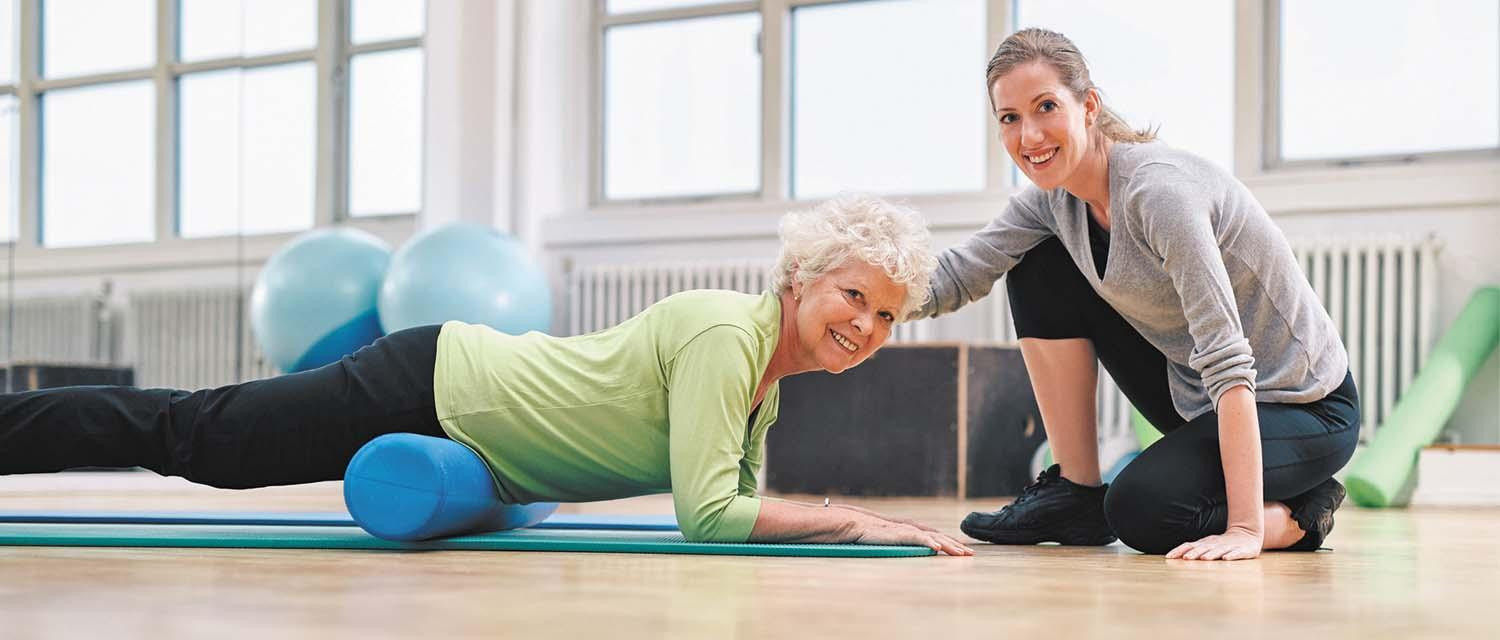
Foam rollers: Inexpensive tools with premium payoffs
A foam roller is a cylinder made of foam. When the tool is used properly, it can help reduce tension in muscles and other soft tissue. Foam rolling also helps increase flexibility, especially when used as a warm-up before exercise.
People who walk more or walk faster live longer, study finds
Rosacea treatments: What works?
For sleep apnea, a dental device may be as effective as CPAP
Carb cycling: What is it, and does it work?
Understanding orthorexia: Have your healthy eating goals gone too far?
Melatonin or magnesium: Can either supplement help you sleep?
Salmonella, E. coli, Cyclospora, and other germs that cause food poisoning: What you need to know
Naturally gluten-free foods
Harvard study: Healthier fats linked to longer life after prostate cancer diagnosis
Shingrix shingles vaccine linked with lower heart disease risks
Free Healthbeat Signup
Get the latest in health news delivered to your inbox!
Sign Up
