

People who walk more or walk faster live longer, study finds

Rosacea treatments: What works?

For sleep apnea, a dental device may be as effective as CPAP

Carb cycling: What is it, and does it work?

Understanding orthorexia: Have your healthy eating goals gone too far?

Melatonin or magnesium: Can either supplement help you sleep?

Salmonella, E. coli, Cyclospora, and other germs that cause food poisoning: What you need to know

Naturally gluten-free foods

Harvard study: Healthier fats linked to longer life after prostate cancer diagnosis

Shingrix shingles vaccine linked with lower heart disease risks
Bones and joints Archive
Articles
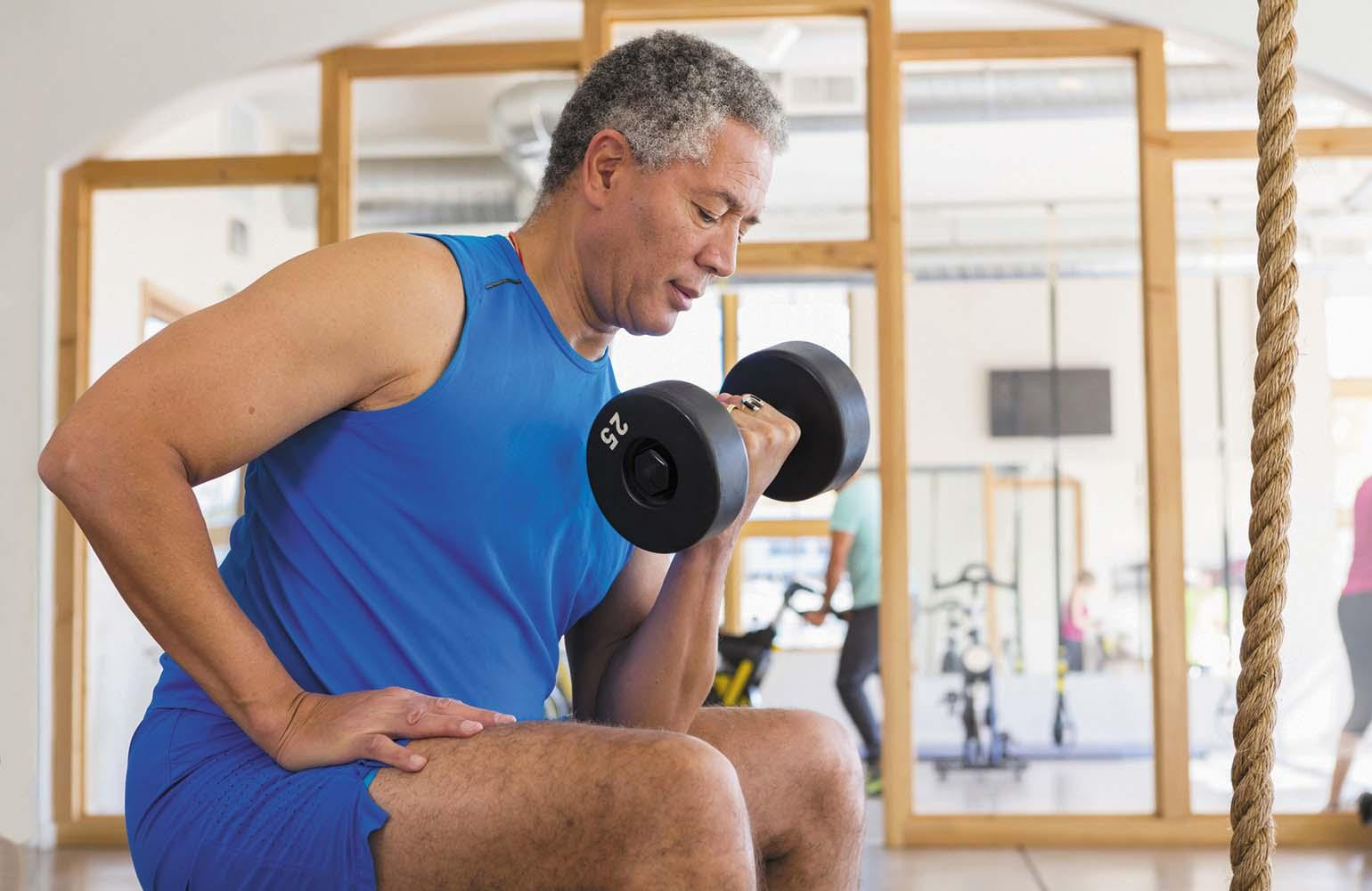
How to get rid of belly fat
Men often carry around extra belly fat and lose muscle mass as they age. An expanding waist could be sign of too much visceral fat, which is stored within the abdominal cavity and surrounds vital organs, including the pancreas, liver, and intestines. Research has shown that visceral fat can increase blood pressure, blood sugar, and total cholesterol levels, and raise the risk of fatty liver disease. Building muscle mass with resistance training and getting aerobic exercise improve muscle metabolism and help reduce visceral fat.
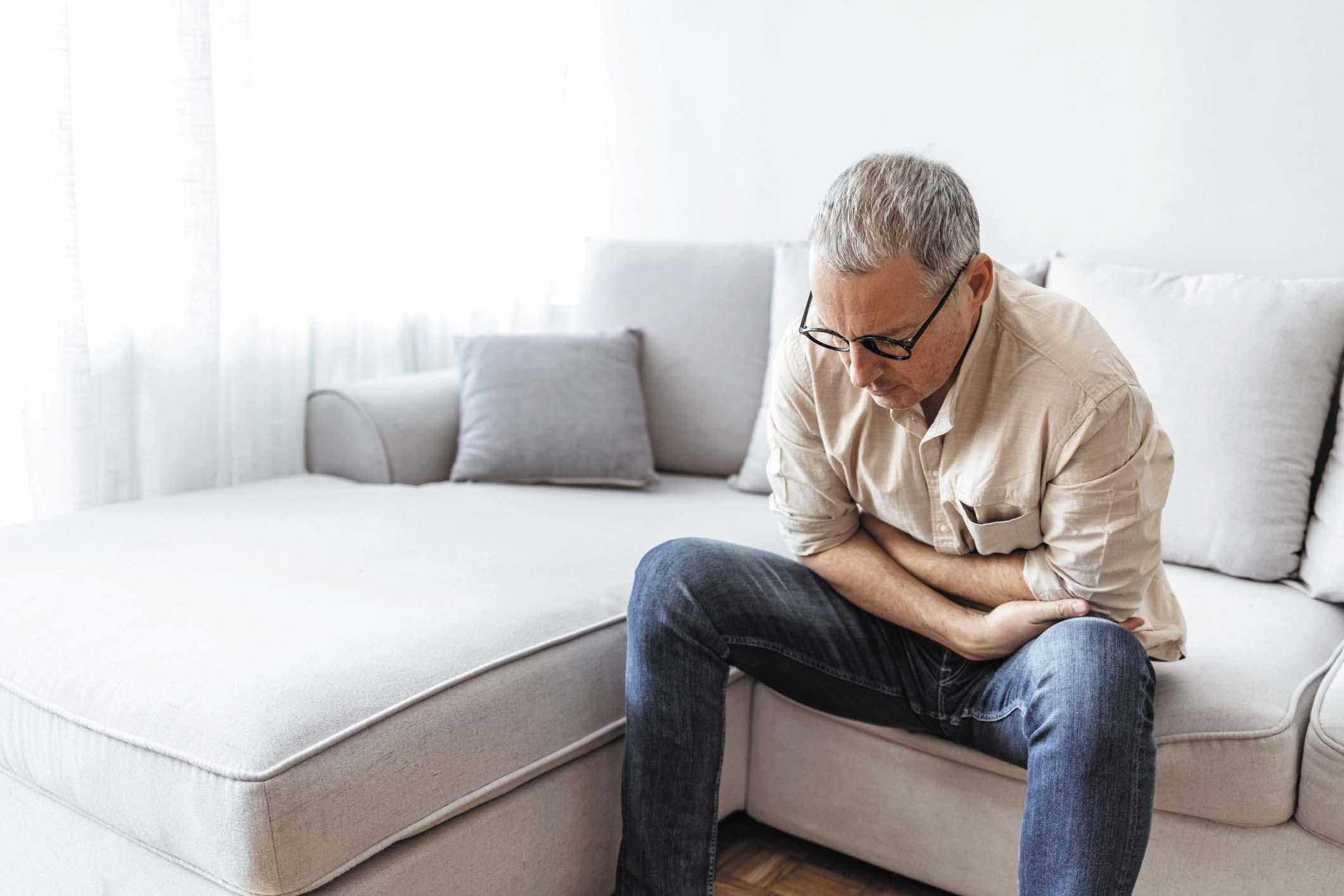
What to do about pain "down there"?
Chronic pelvic pain-medically known as chronic prostatitis / chronic pelvic pain syndrome, or CP/CPPS-is one of the more common and challenging conditions older men face. Because the underlying cause may not be identified, doctors often take a trial-and-error approach to managing the common symptoms like throbbing, aching pain, urination problems, and sexual dysfunction. Options include different types of medication, physiotherapy, shock wave therapy, and aerobic exercise.
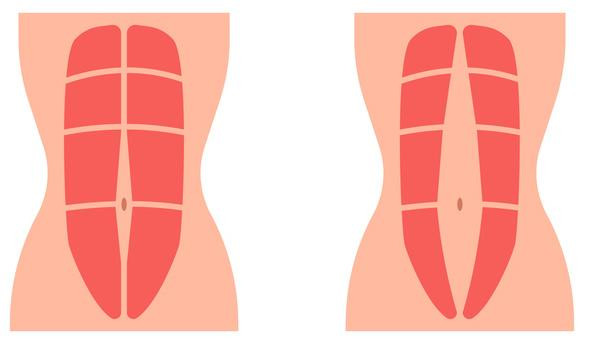
Battle of the bulge
Diastasis recti occurs when the rectus abdominis muscle - the "six-pack" - separates and leads to a midline abdominal bulge. This might happen because of pregnancy, aging, genetics, excessive abdominal pressure, or abdominal surgery. The bulge becomes more noticeable when lifting heavy objects, getting out of bed, or even performing everyday tasks. The condition usually doesn't resolve on its own. Working with a physical therapist can help decrease the muscle separation.

How to return to fitness after total knee replacement
Complete recovery from total knee replacement surgery can take six to 12 months. Working with a physical therapist to regain strength and mobility, most people can return to normal daily function within three months. It's important to remain active once physical therapy concludes. Lower-impact activities, such as walking, hiking, biking, swimming, golfing, strength training, and aerobic activities, are recommended. High-impact activities, such as running, may shorten the life span of the implant.
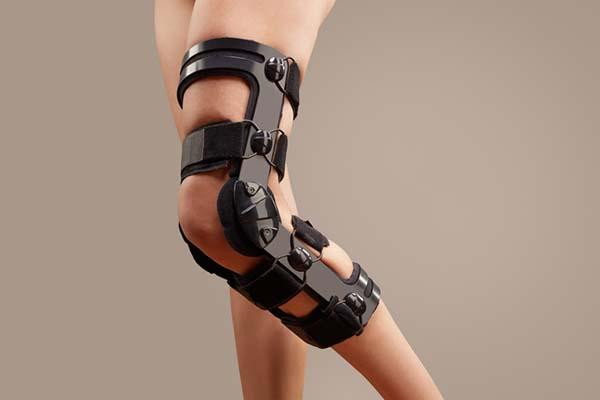
Knee braces, hydrotherapy, and exercise stand out as the best nondrug therapies for knee osteoarthritis
Among 12 physical therapy approaches for knee osteoarthritis compared in a 2025 study, three stood out. Knee braces, followed by hydrotherapy (exercise in water) and exercise (strength training and aerobics), were best for reducing pain and stiffness and improving physical function.
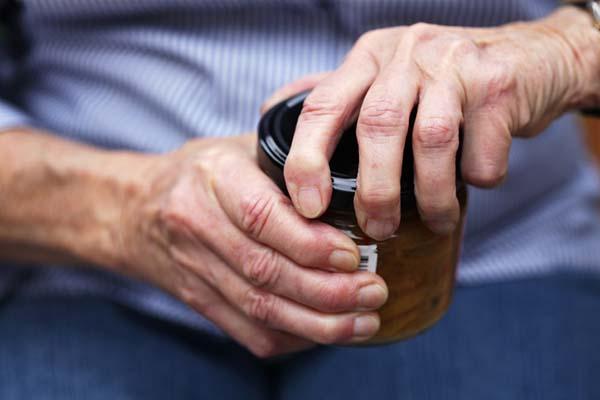
Get a grip: How to manage thumb arthritis
Arthritis in the joint at the base of thumb (the carpometacarpal joint) can cause pain, weakness, and instability. It can seriously impair the ability to function. Thumb arthritis is diagnosed with a physical examination and x-rays. It can be managed with occupational therapy, which includes learning optimal hand positions and exercises and wearing a hand splint. Pain relief options include heat, pain medications, and cortisone injections. If these are inadequate or the condition is severe, surgery is an option.
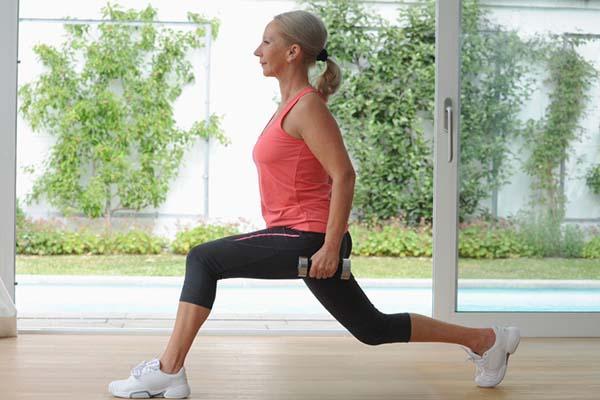
Are lunges safe for older adults?
An exercise routine that targets muscles in the legs and buttocks can help build the strength and stability that are essential for daily functioning. Lunges are an excellent exercise for this. Older adults can do them safely if they have sufficient leg strength to do the exercise correctly. For those who lack the necessary strength, modified versions can be done until it's possible to gradually work up to doing the full lunge. Once that is mastered, more advanced versions include the side lunge and walking lunge. Holding weights can increase the challenge.
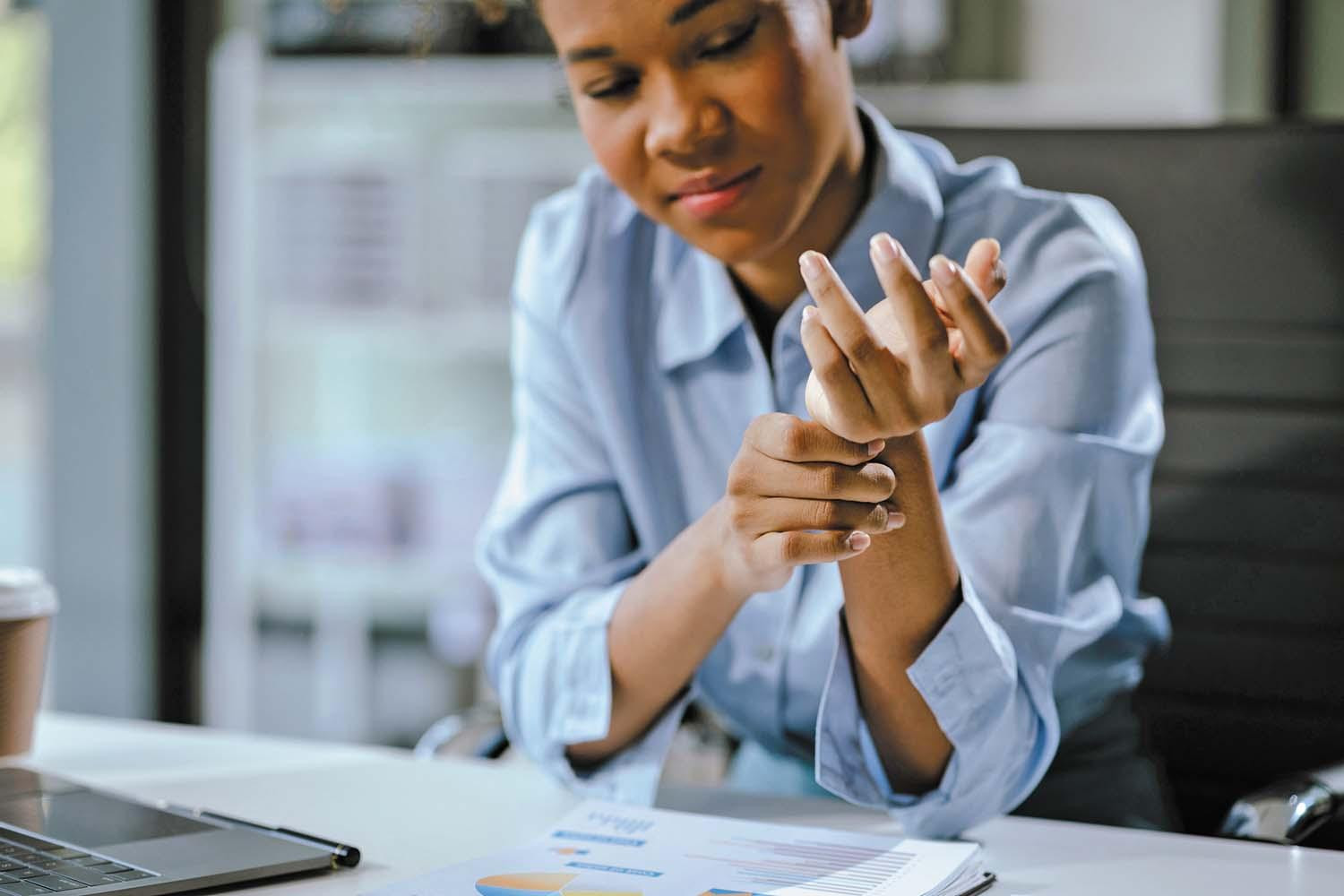
Is it normal for my joints to click?
There are many normal reasons people's joints make clicking, popping, cracking, or other noises. Joints are also more likely to make noise when people stay still for long periods. Pain or swelling with joint noise should prompt people to see a doctor.

Surgery may have an edge over injections for carpal tunnel syndrome
A 2025 randomized trial of people with carpal tunnel syndrome found that 57% of those who had surgery as a first-line treatment recovered within 18 months, without additional treatments, compared with 13% of people who received steroid injections instead.

What the sitting-rising test says about your health
The sitting-rising test gauges how easily people can rise to their feet from sitting on the floor, using as little support as possible. A 2025 study suggested the test may help predict someone's longevity. People who scored the lowest were nearly four times more likely to die of natural causes and six times more likely to die of cardiovascular causes than participants who scored a perfect 10 on the test. The movement requires strength, coordination, balance, and flexibility. These components of fitness tend to drop off more precipitously in women as we age.
People who walk more or walk faster live longer, study finds
Rosacea treatments: What works?
For sleep apnea, a dental device may be as effective as CPAP
Carb cycling: What is it, and does it work?
Understanding orthorexia: Have your healthy eating goals gone too far?
Melatonin or magnesium: Can either supplement help you sleep?
Salmonella, E. coli, Cyclospora, and other germs that cause food poisoning: What you need to know
Naturally gluten-free foods
Harvard study: Healthier fats linked to longer life after prostate cancer diagnosis
Shingrix shingles vaccine linked with lower heart disease risks
Free Healthbeat Signup
Get the latest in health news delivered to your inbox!
Sign Up
