

People who walk more or walk faster live longer, study finds

Rosacea treatments: What works?

For sleep apnea, a dental device may be as effective as CPAP

Carb cycling: What is it, and does it work?

Understanding orthorexia: Have your healthy eating goals gone too far?

Melatonin or magnesium: Can either supplement help you sleep?

Salmonella, E. coli, Cyclospora, and other germs that cause food poisoning: What you need to know

Naturally gluten-free foods

Harvard study: Healthier fats linked to longer life after prostate cancer diagnosis

Shingrix shingles vaccine linked with lower heart disease risks
Bones and joints Archive
Articles
Is it normal for my joints to click?
There are many normal reasons people's joints make clicking, popping, cracking, or other noises. Joints are also more likely to make noise when people stay still for long periods. Pain or swelling with joint noise should prompt people to see a doctor.

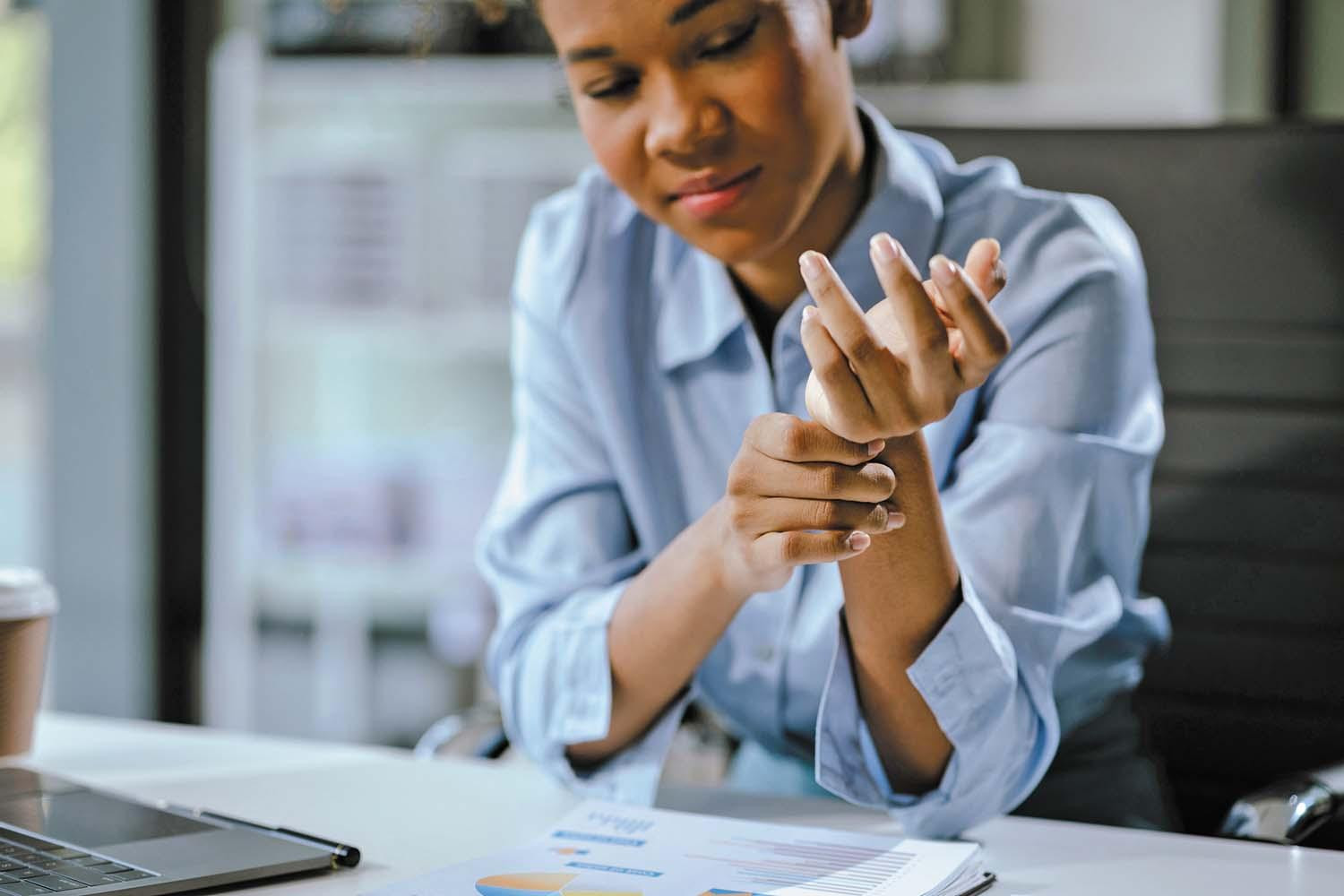
Surgery may have an edge over injections for carpal tunnel syndrome
A 2025 randomized trial of people with carpal tunnel syndrome found that 57% of those who had surgery as a first-line treatment recovered within 18 months, without additional treatments, compared with 13% of people who received steroid injections instead.
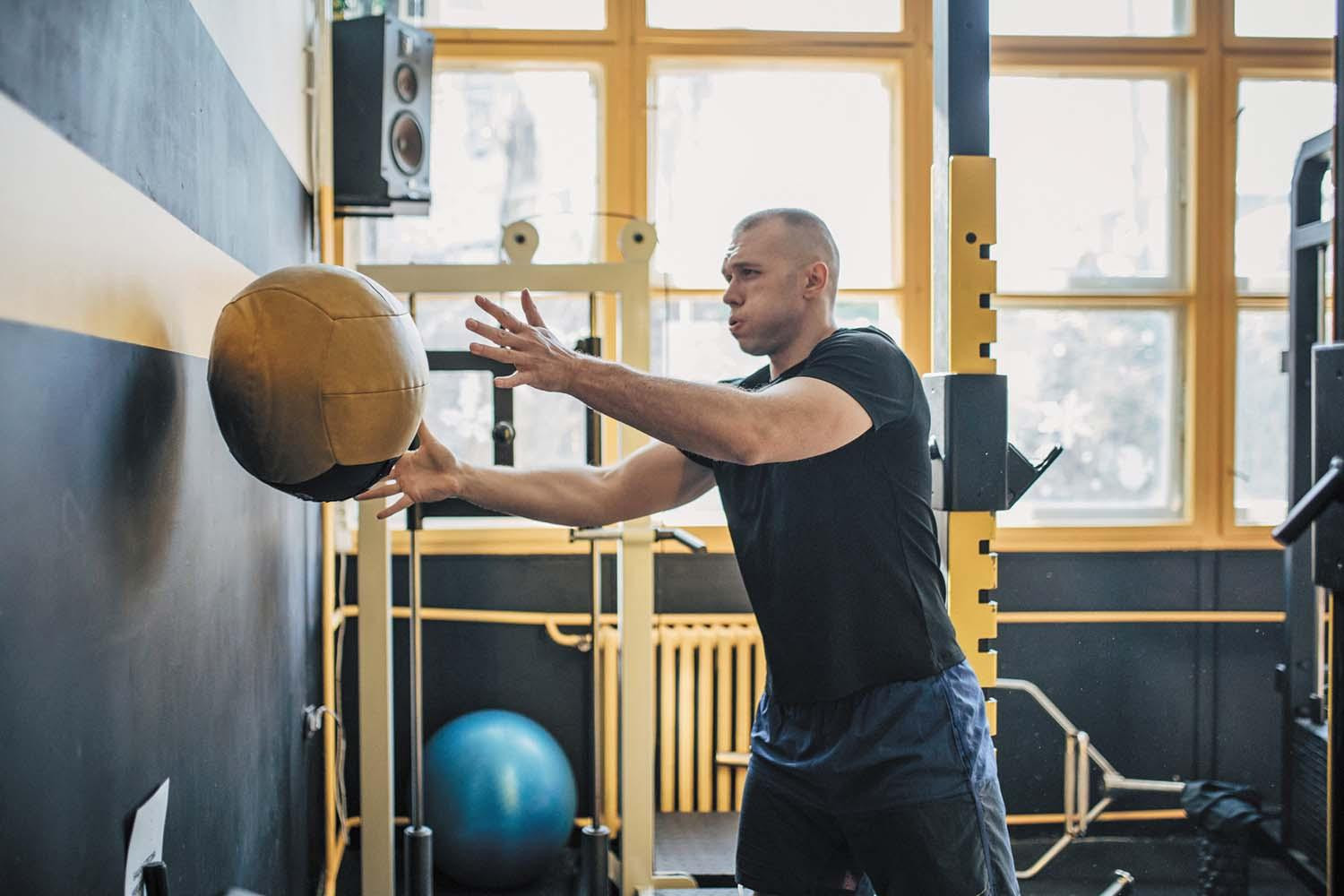
Power play
Power is the ability to generate a large amount of force in a short amount of time. It can help people to properly and safely execute many everyday movements, such as climbing stairs, lifting and carrying heavy objects, twisting, pulling, and throwing. Power also improves movement efficiency and reaction time, helping to prevent injuries from falls. Increasing overall muscle mass with regular strength training and doing plyometric exercises and explosive moves using a medicine ball can help build power.
Why do I feel more clumsy with age?
As people get older, they may get clumsier because of multiple factors such as declining hearing and vision, loss of muscle, balance issues, and chronic health conditions. Addressing these issues can help people avoid injury from falls and other accidents.

What to do if you get "tennis leg"
Tennis leg refers to a strained calf muscle, usually the gastrocnemius. A person can injure the muscle during activity when planting the foot down hard or suddenly changing direction. This might happen during sports, such as tennis, or even while walking or jogging. Mature athletes, who are prone to injury, are vulnerable to the injury. Treatment can involve resting, elevating, and icing the calf muscle; wearing a compression sock; taking painkillers; getting physical therapy; and having surgery.
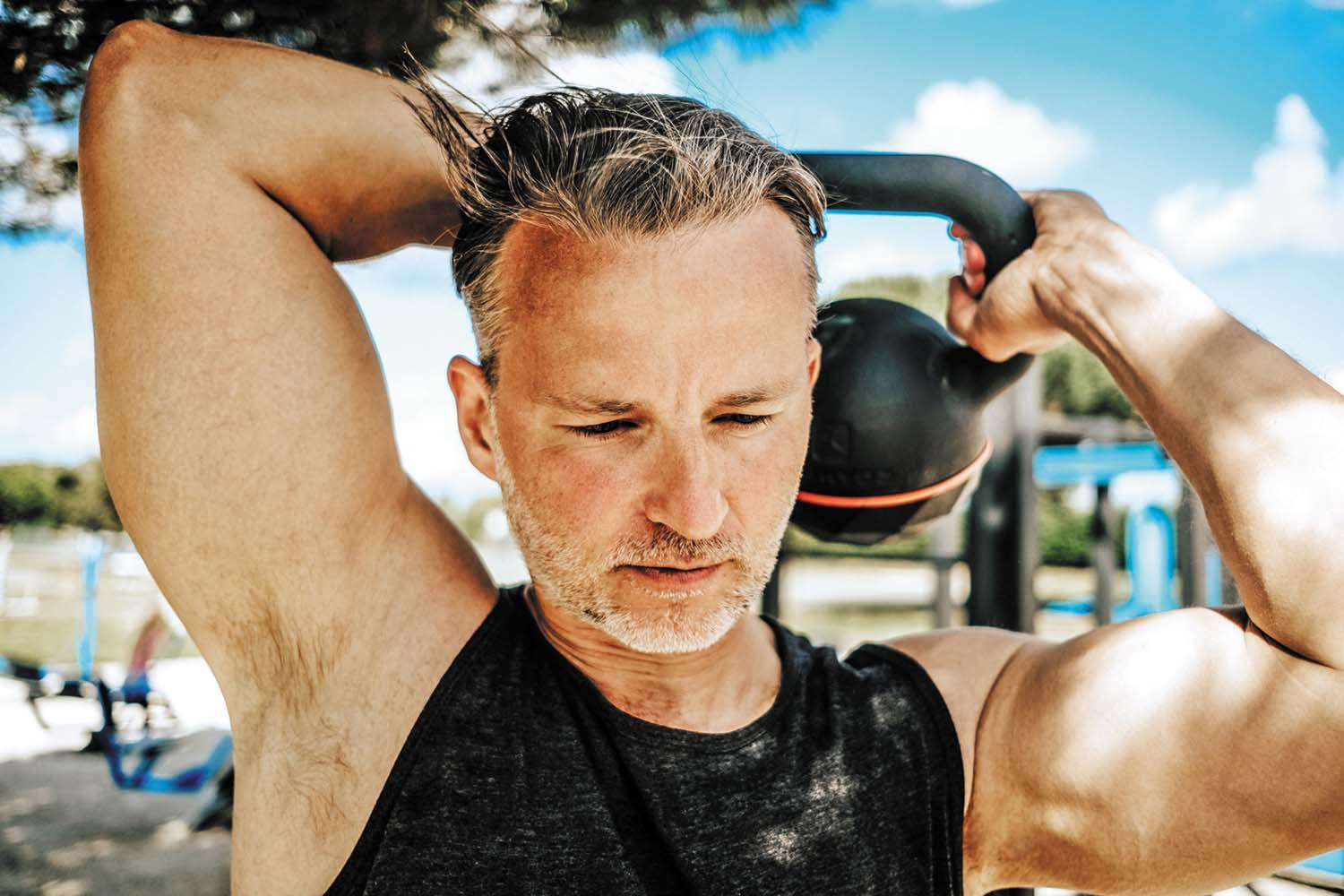
Coming full circle
Shoulder mobility is crucial for safely reaching overhead, carrying heavy items, and engaging in sports such as golf, tennis, and pickleball. Halos are one of the best exercises for improving shoulder mobility, flexibility, and strength. They can be performed with a kettlebell, a dumbbell, or even a heavy book. Halos are done by holding the weight with both hands and rotating it around the head in a circular motion, first in one direction and then the other, as if drawing a halo over the head.
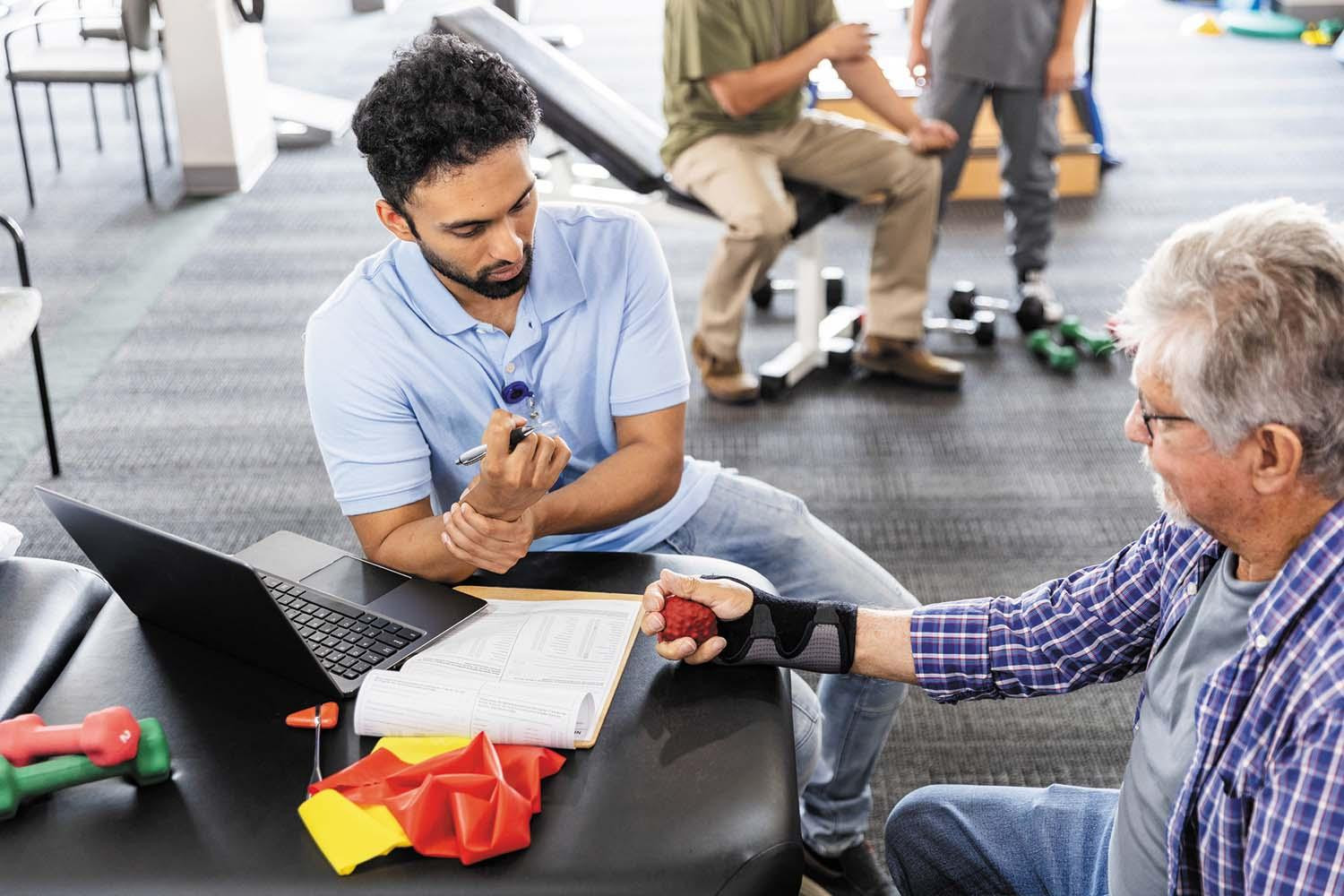
What's involved with hand therapy
Hand therapy is an effective way to overcome lost hand function due to injuries or underlying conditions. A course of therapy typically lasts for six weeks. It involves working with a certified hand therapist (CHT) who can develop and then guide someone through a tailored program of physical and functional exercises. CHTs also can make splints, offer emotional support, and help people learn to manage hand pain and swelling. It's best to start hand therapy before an injured hand has healed completely.

How to fill out a "flat" behind
Older men can get "flat" or weak buttocks from spending too much time sitting, which can weaken gluteal muscles and create tight hip flexors. This weakness can place excess demand on other parts of the body, which can lead to pain in the lower back, hips, and knees and increase risk for lower-body injuries. The best way to strengthen a weak backside is to break up prolonged periods of sitting with regular movement and perform exercises that build up gluteal muscles, such as deadlifts, bridges, and step-ups.

3 do-at-home stretches to release hip and buttock pain
To reduce the pain of aching hip or buttocks muscles, one might consider stretching them. The activity makes muscles healthier and more flexible, which might keep them from pressing against nerves or bursae that can become inflamed and tender. It's best to stretch regularly with static stretches of the muscles at least three to five times per week, after a brief warm-up or a regular exercise routine. If hip or buttock pain flares, doing gentle stretches might ease discomfort in the moment.

Topical painkillers for sprains and strains
Topical painkillers might be safer than pills to relieve discomfort from muscle strains (like a pulled hamstring) or ligament sprains (like a sprained ankle). This is because topicals target the area of pain. As a result, other parts of the body are exposed to lower levels of medicine. That's important, since some painkillers, such as nonsteroidal anti-inflammatory drugs (NSAIDs), can pose severe risks-such as heart attack and stroke.
People who walk more or walk faster live longer, study finds
Rosacea treatments: What works?
For sleep apnea, a dental device may be as effective as CPAP
Carb cycling: What is it, and does it work?
Understanding orthorexia: Have your healthy eating goals gone too far?
Melatonin or magnesium: Can either supplement help you sleep?
Salmonella, E. coli, Cyclospora, and other germs that cause food poisoning: What you need to know
Naturally gluten-free foods
Harvard study: Healthier fats linked to longer life after prostate cancer diagnosis
Shingrix shingles vaccine linked with lower heart disease risks
Free Healthbeat Signup
Get the latest in health news delivered to your inbox!
Sign Up
