










How to cope with bone-on-bone joint pain
When osteoarthritis becomes severe, bone can rub against bone.
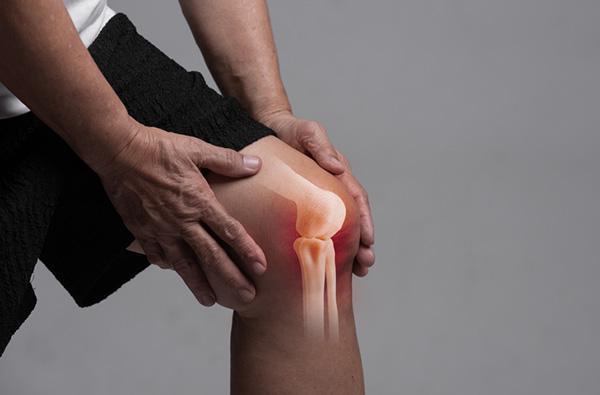
"Bone-on-bone" arthritis is not a medical term. But it's a common way to describe advanced, severe osteoarthritis. You can have osteoarthritis in almost any joint in the body, but it's most common in the knees, hips, spine, hands, and big toes. Shoulders and ankles can also be affected.
Osteoarthritis results from the deterioration of cartilage. "Cartilage is the substance covering the ends of bones in joints. It provides a smooth surface and acts as a shock absorber," says Dr. Christopher Melnic, an orthopedic surgeon at Harvard-affiliated Massachusetts General Hospital.
The cartilage layer can get thin and eventually wear out completely. As it degrades, other structures in and around the joint are affected, leading to pain, stiffness, and decreased motion. "It can inhibit your ability to go about daily activities," says Dr. Melnic.
Weight-bearing joints - knees, hips, and big toes - are more likely than other joints to wear down to the point where one bone rubs against another. Bone-on-bone pain can be severe. "It often causes a deep, dull, aching pain that is worse at night," says Dr. Melnic.
Once cartilage is gone, it can't come back. So, how can you cope with the joint pain? "Most of the time, osteoarthritis can be treated with nonsurgical measures," says Dr. Melnic. Here's how.
Reduce strain on the joint
Depending on the joint, pressure can be relieved using braces, splints, or a cane. An occupational or physical therapist can help you choose the most appropriate devices.
For knee or hip pain, Dr. Melnic recommends using a pair of walking poles. "These are very helpful, especially for people who are still able to get around pretty well, but have pain," he says. "They are underused."
If arthritis in your hand, including your thumb, makes gripping and grasping painful, try devices that relieve pressure on those joints, such as large-handled utensils and tools.
Carrying excess weight can worsen symptoms. "Weight loss has been shown to decrease pain from osteoarthritis, especially in the lower extremities," says Dr. Melnic. For example, each pound of weight loss reduces the load on the knees by about four pounds with each step.
Exercise for movement and strength
You want to avoid stressing a worn-out joint, but you also need to move it. Motion releases a substance called synovial fluid, which lubricates the joint and reduces friction and stiffness. This is why stiffness in the morning improves after you move around for about half an hour.
Movement has another important function: to strengthen muscles. Strong muscles help support the joint and preserve range of motion. For this reason, physical therapy is the cornerstone of osteoarthritis treatment. A physical therapist can teach you the appropriate exercises to strengthen muscles around the joint.
Practices such as yoga and tai chi have also been shown to reduce pain and improve function. They use controlled, low-impact movements combined with deep breathing and relaxation.
Control pain
Keeping pain under control is important not only for you to be more comfortable but also so you can keep moving and exercising.
Pain medications include nonprescription acetaminophen (Tylenol) and nonsteroidal anti-inflammatory drugs (NSAIDs) such as ibuprofen (Advil, Motrin) and naproxen (Aleve). Higher doses of NSAIDs are available by prescription. Because these drugs can irritate the stomach, they should be used cautiously by older adults and anyone who's had stomach ulcers. Speak to your doctor if you need to take them for more than a few weeks or have any concerns. The topical NSAID diclofenac (Voltaren, Flector) is another option.
If you're still experiencing pain, ask your doctor about other medicines for chronic pain such as duloxetine (Cymbalta) or tramadol (Ultram), or injections. Sometimes, an injection of a corticosteroid (a powerful anti-inflammatory drug) can temporarily ease pain. Another option is an injection of hyaluronic acid (a fluid that naturally lubricates the joints), also called viscosupplementation.
Consider surgery
"If the joint is worn out and daily pain is preventing you from doing what you want to do, especially if it's keeping you awake at night, we consider replacing the joint," says Dr. Melnic. Joint replacement surgery can be performed on almost any joint affected by osteoarthritis, but it is most commonly performed for hip and knee arthritis.
Does cartilage grow back?Unlike many other tissues in the body such as the skin, cartilage cannot regrow. It lacks a blood supply to deliver the repair cells and growth factors needed for regeneration. The dense material that makes cartilage strong also prevents repair cells from entering to rebuild the tissue. Nonetheless, research is under way to find ways to overcome these barriers and regenerate cartilage. |
Image: © showcake/Getty Images
Disclaimer:
As a service to our readers, Harvard Health Publishing provides access to our library of archived content. Please note the date of last review or update on all articles.
No content on this site, regardless of date, should ever be used as a substitute for direct medical advice from your doctor or other qualified clinician.


