Reproductive factors may raise women's osteoporosis risk
News briefs
- Reviewed by Robert H. Shmerling, MD, Senior Faculty Editor, Harvard Health Publishing; Editorial Advisory Board Member, Harvard Health Publishing
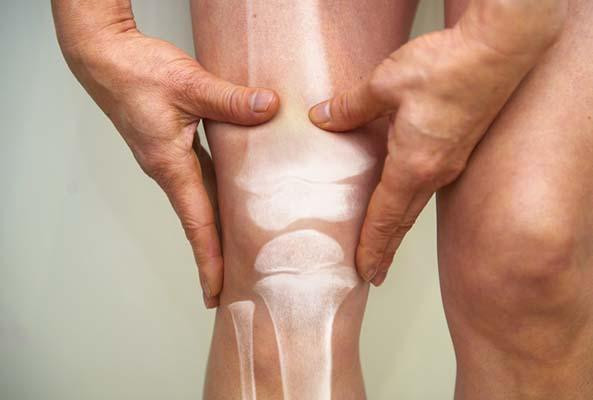
Women whose reproductive history includes infertility, miscarriage, or stillbirth - as well as those who've had just one child or no children -may be more likely to eventually develop osteoporosis compared to women without these factors, according to a study published online July 30, 2025, by Fertility and Sterility.
Researchers reviewed data from 141,222 women who experienced natural menopause. The data included each woman's history of infertility, miscarriage, and stillbirth; the number of children born; and any later diagnosis of osteoporosis. Participants were tracked until age 72, on average.
The risk for osteoporosis was 14% to 17% higher in women who'd had trouble getting pregnant, three or more miscarriages, or a stillborn baby, compared to women without any of these factors. Compared with women who had two live births, participants who had no live births had a 20% higher risk of developing osteoporosis, while those with one live birth showed a 15% higher risk. While aging itself is a major risk factor for the bone-thinning disease, the researchers accounted for age in their analysis.
Doctors and women should consider reproductive factors when assessing the risk of osteoporosis and strategies for screening and prevention, the study authors said.
Image: © Peter Dazeley/Getty Images
About the Author

Maureen Salamon, Executive Editor, Harvard Women's Health Watch
About the Reviewer

Robert H. Shmerling, MD, Senior Faculty Editor, Harvard Health Publishing; Editorial Advisory Board Member, Harvard Health Publishing
Disclaimer:
As a service to our readers, Harvard Health Publishing provides access to our library of archived content. Please note the date of last review or update on all articles.
No content on this site, regardless of date, should ever be used as a substitute for direct medical advice from your doctor or other qualified clinician.